


There’s a messy little tension in modern travel nobody really resolves. Should a trip be done on the cheap — like, aggressively cheap — or is travel one of those oddly sacred categories where spending more does actually buy meaning? I go back and forth. Like every week. Maybe every scroll. One minute I’m convinced the noblest form of travel is the smug, spreadsheet-optimized itinerary. The next minute I think perhap the whole point is to break the grip of sensible economics for once.
Cheap travel is seductive because it feels democratic. It signals good taste in restraint. Bragging rights are baked in. You “cracked” the system. You outsmarted the algorithm, you found the hidden fare, you squeezed a vacation out of fragments of loyalty points like some well-behaved quasi-economist.
But then there’s the opposite pull: the splurge. The part of your brain that whispers, quietly but relentlessly, that time is not refundable. That maybe the memory per dollar ratio is backwards — the most useful metric is memory per hour. Perhaps it is wasteful. Or perhaps it is proof you were actually present.
So… where is the line between wise thrift and timid self-deprivation?
No one seems totally sure, honestly.
The Real Question Nobody’s Asking
Here’s what gets me: we frame this as an either/or situation, like you’re Team Backpack or Team Five-Star and never the twain shall meet. But most travelers I know (myself included) are somewhere in the messy middle, trying to figure out where to pinch pennies and where to throw caution—and cash—to the wind.
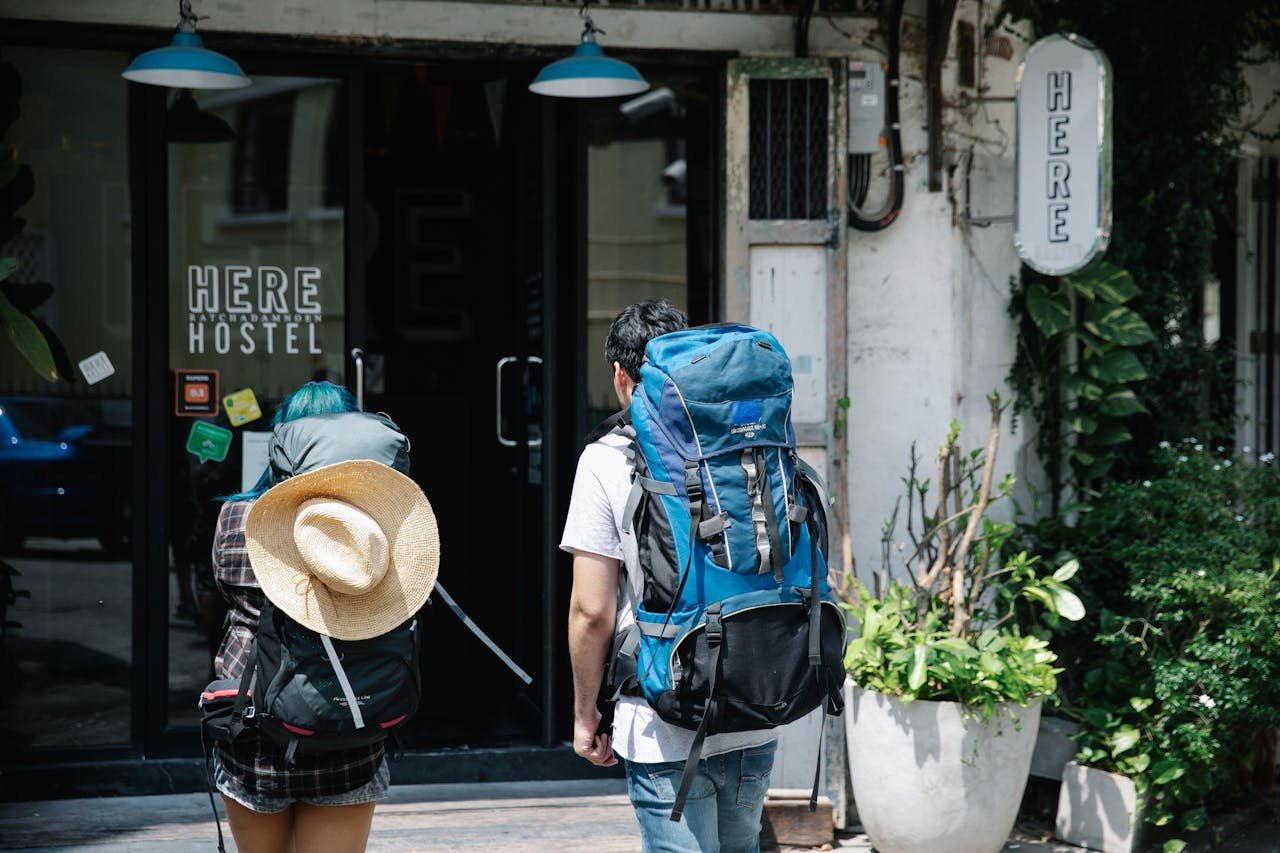
The better question isn’t “should travel be cheap or expensive?” It’s “what actually matters to you when you travel?” Because here’s the thing: a $30-a-night hostel in Lisbon might give you more stories, more connections, and more midnight kitchen conversations than a $300 suite where you just… sleep. But that same hostel in Bangkok during monsoon season when you’re jet-lagged and slightly food-poisoned? Yeah, you’ll wish you’d spent the extra money.
When Cheap Travel Actually Makes Sense
Let’s start here, because budget travel gets a bad rap sometimes. People act like staying in hostels or taking buses means you’re somehow doing travel “wrong.” That’s nonsense.
Some of my best travel memories involve absolutely zero luxury. That time I took an overnight bus through Vietnam and woke up to mountains emerging from fog. The hole-in-the-wall taco stand in Mexico City where I spent maybe $4 and had a religious experience. The hostel in Budapest where I met people who became actual friends, not just Instagram mutuals.
Budget travel makes sense when:
You’re young and flexible. If you can sleep on a bus, share a bathroom with twelve strangers, and find adventure in discomfort, why not save the money? Your back won’t hate you yet.
The destination itself is the draw. When you’re hiking Patagonia or exploring temples in Kyoto, you’re not spending much time in your accommodation anyway. Why pay for thread count you won’t appreciate?
You want to travel longer. Basic math here. If you have $3,000 and two weeks off, you could do one luxury trip to Paris. Or you could do two months in Southeast Asia. Different experiences entirely, but neither is inherently better.
You’re traveling solo or with other budget-conscious people. There’s something genuinely fun about the resourcefulness of cheap travel. Finding the local market, cooking together, discovering the neighborhood nobody writes about on TripAdvisor.
The key is being honest about your comfort threshold. I’ve met twenty-year-olds who genuinely thrive in hostel culture, and I’ve met people my age who would rather not travel at all than share a room. Neither is wrong.

When You Should Absolutely Splurge
Now, the fun part. Because splurging—when done right—isn’t wasteful. It’s strategic.
On the flight, if it’s long. Look, I’ve done 14-hour flights in economy, and I’ve survived. But I’ve also done them in business class, and… it’s not the same trip. Not even close. If you can afford it (or hack it with points), long-haul comfort is worth every penny. You arrive as a human being, not a pretzel with jet lag.
On location, location, location. Stay in the neighborhood you actually want to explore. That Airbnb 45 minutes outside Barcelona might be cheaper, but you’ll spend the savings on metro tickets and—more importantly—time. And time is the one thing you can’t get back.
On experiences you can’t replicate. Swimming with whale sharks in the Philippines? Splurge on the reputable operator, not the sketchy one. Hot air balloon over Cappadocia? Don’t cheap out. These aren’t things you’ll do twice.
When you’re burned out. Real talk: sometimes you just need a nice hotel. A good shower. Room service. Nobody judging you for taking a 3 PM nap. Travel burnout is real, and pushing through it on a shoestring budget is a recipe for hating the whole trip.
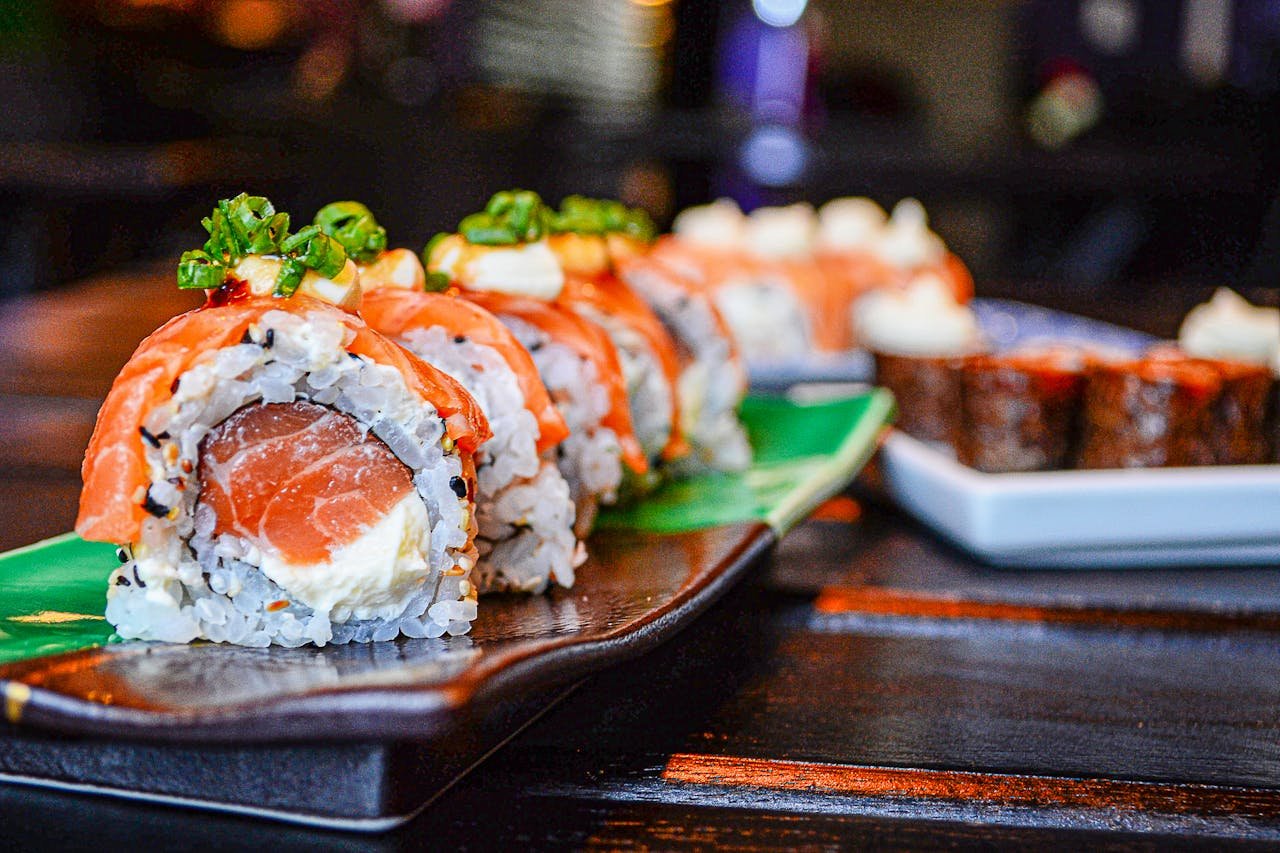
For food that matters. I’m not saying every meal needs to be Michelin-starred. But when you’re in Tokyo, maybe spring for actual sushi instead of convenience store triangles. When you’re in Italy, perhaps skip the tourist trap and go where locals go. Food is culture. It’s worth the investment.
The Hidden Costs Nobody Talks About
Here’s where it gets interesting. Sometimes “cheap” travel ends up costing more—just not in obvious ways.
That budget airline with the €9 fare? Cool. Until you add baggage fees, seat selection (because you’re not sitting in the middle for four hours), airport transfers from the secondary airport that’s actually in a different city, and suddenly you’ve spent €80. Could’ve just flown the regular airline.
The hostel that’s €15 a night but forces you to eat out every meal because there’s no kitchen. Versus the €60 Airbnb with a kitchen where you can cook breakfast and save €10 daily.
The “cheap” tour that crams 47 people onto a bus and rushes through everything. Versus the pricier small-group tour where you actually learn something and don’t spend half the day waiting for everyone to use the bathroom.
I’m not saying never go cheap. I’m saying do the math. And factor in your sanity as a line item.
My Utterly Personal, Probably Controversial Travel Budget Formula
After years of trial and error (heavy on the error), here’s what I’ve landed on:
Splurge on: Flights over 6 hours, accommodation in expensive cities, one memorable meal per destination, travel insurance (always), and any activity involving animals or nature where safety matters.
Save on: Most food, local transportation (buses and trains are fine), shopping, and accommodation in cheap destinations where even “nice” places are affordable.
Never compromise on: Safety, health, and anything where the cheap option is genuinely sketchy.
The thing is, this formula changes depending on the trip. A weekend in London? I’m splurging on the hotel because it’s only two nights and I want to maximize my time. A month in Colombia? Budget accommodation, expensive experiences.
The Unpopular Truth About “Authentic” Travel
Can we address the elephant in the room? There’s this weird flex in travel culture where people compete over who spent less. “Oh, you paid $50 a night? I found a place for $8.” As if deprivation equals authenticity.
But here’s the thing: local people in most destinations aren’t staying in hostels. They’re not bragging about uncomfortable beds or cold showers. The idea that you need to suffer to have a “real” experience is… honestly kind of condescending.
Authentic travel isn’t about how little you spend. It’s about engaging genuinely with a place and its people. I’ve had authentic moments in luxury hotels and inauthentic ones in hostels. The variable isn’t the price tag.
When Travel Is Worth Whatever It Costs
There are moments—and I think you know this if you’ve traveled enough—where the money just doesn’t matter.
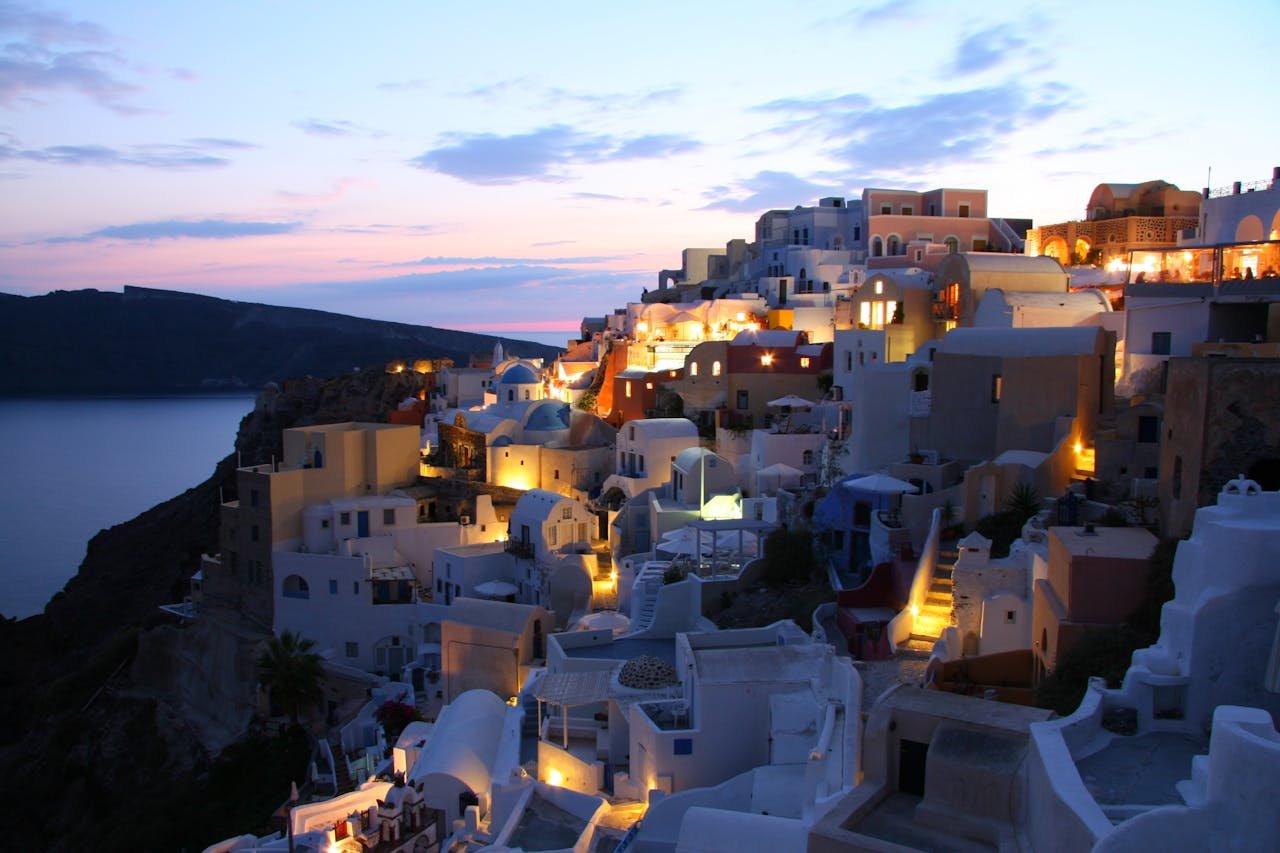
That sunset in Santorini where everything goes pink and gold and you understand why people write poems. The thermal baths in Iceland when it’s snowing and you’re in hot water under the northern lights. The conversation with a stranger in Marrakech that shifts how you see something.
These moments don’t come with price tags attached. Sometimes they happen when you’re dead broke, and sometimes they happen because you spent money on the right thing.
The goal isn’t to travel cheap or travel expensive. It’s to travel intentionally. Know what you value, spend accordingly, and don’t let anyone shame you for your choices.
What I’d Tell My Younger Self
If I could go back and talk to twenty-three-year-old me, nervously booking that first international trip, here’s what I’d say:
Don’t be afraid to spend money on comfort when you need it. That night you pushed through and stayed in the sketchy place to save €20? You spent the whole next day exhausted and anxious. Not worth it.
But also: some of your best memories will come from the cheapest moments. Don’t optimize everything. Leave room for chaos.
Travel isn’t an investment in the financial sense. You won’t get a return. But you also can’t take the money with you, and you can’t buy back your youth or your health or your time. So maybe the real question isn’t “can I afford this?” but “can I afford not to?”
Perhaps that’s too philosophical. But I think it’s true.
The Verdict (If There Is One)
Should travel be cheap or worth the splurge? Both. Neither. It depends.
What I know for sure: travel should be intentional, sustainable (both financially and environmentally), and true to what you actually enjoy—not what Instagram tells you to enjoy.
Budget travel can be incredible if done thoughtfully. Luxury travel can be worth every cent if it aligns with your values. And most of us will mix and match forever, figuring it out as we go.
The best trip isn’t the cheapest or the most expensive. It’s the one where you come home changed, even slightly. Where you have stories that make people lean in. Where you spent your money in ways that felt right to you, not to anyone else.
And honestly? That’s worth whatever it costs.
Frequently Asked Questions
Is budget travel worth it or should I save up for a luxury trip?
Answer: Budget travel is absolutely worth it if you’re comfortable with basic accommodations and enjoy the spontaneity that comes with spending less. However, if comfort significantly affects your enjoyment and you’re only taking one or two trips per year, saving up for a more comfortable experience might serve you better. Consider your priorities: do you want to travel more often or more comfortably? Neither choice is wrong—it’s about knowing yourself.
How much should I budget for a week-long international trip?
Answer: This varies wildly by destination, but as a rough guide: Southeast Asia ($500-800), Eastern Europe ($800-1200), Western Europe ($1500-2500), and places like Australia or Japan ($2000-3500). These estimates include accommodation, food, local transport, and activities, but not flights. Your travel style will push these numbers up or down significantly.
What’s the biggest mistake people make when trying to travel cheaply?
Answer: Sacrificing safety or health to save money. Skipping travel insurance, choosing unsafe transportation, or staying in genuinely dangerous areas isn’t budget travel—it’s just risky. The other big mistake is being so focused on saving money that you miss experiences that would make the trip memorable. Sometimes the $40 cooking class is worth skipping two restaurant meals.
Are luxury hotels really worth the price difference from mid-range options?
Answer: Sometimes yes, sometimes no. In expensive cities where even mid-range hotels are pricey, the jump to luxury might only be 30-40% more and could include breakfast, better location, and amenities that save you money elsewhere. In cheaper destinations, you might pay 3-4 times more for luxury without proportional value. Consider what amenities you’ll actually use and whether the location saves you transportation costs.
How can I tell if I’m overspending or underspending on travel?
Answer: You’re overspending if you’re going into debt, sacrificing important savings goals, or not actually enjoying the luxury you’re paying for. You’re underspending if you’re consistently uncomfortable, stressed about money during the trip, or missing experiences you’ll regret skipping. The right amount lets you enjoy the trip without financial anxiety during or after.
Should I book flights and hotels separately or use package deals?
Answer: It depends on your destination and flexibility. Package deals can save money on popular routes and resort destinations, especially if booked during sales. However, booking separately usually gives you more control over timing, airline choice, and accommodation style. Compare both options, and remember that package deals sometimes lock you into less flexible cancellation policies.
Is it better to travel off-season to save money?
Answer: Off-season travel can cut costs by 30-50% on accommodation and flights while offering fewer crowds. However, some destinations have off-seasons for good reasons—terrible weather, closed attractions, or limited services. Research why it’s off-season before booking. Shoulder season (just before or after peak) often offers the best balance of good weather and lower prices.
How much should I splurge on once-in-a-lifetime experiences?
Answer: If an experience is truly unique to that destination and unlikely to be repeated, it’s worth stretching your budget. However, be skeptical of “once-in-a-lifetime” marketing. Swimming with dolphins might feel special, but is it worth $200 when you could have three incredible local meals instead? Choose experiences that align with your actual interests, not just what’s popular.
Are hostels only for young backpackers?
Answer: Not at all. Modern hostels range from party-focused to quiet and boutique. Many offer private rooms with ensuite bathrooms that cost less than budget hotels. The quality varies enormously, so read recent reviews carefully. If you’re over 30 or traveling as a couple, look for hostels that market themselves as “quiet,” “boutique,” or “design” hostels—they tend to attract a different crowd.
What’s the smartest way to save money on food while traveling?
Answer: Eat where locals eat, which is usually both cheaper and better than tourist areas. Stay somewhere with kitchen access for breakfast and occasional dinners. Try lunch specials (many restaurants offer cheaper lunch menus with similar food to dinner). Street food in most countries is safe, delicious, and budget-friendly. But splurge on at least a few meals that showcase local specialties—food is a huge part of travel.
Top Travel Products & Recommendations
Skyscanner – Flight comparison tool that searches across hundreds of airlines and booking sites to find the best deals. The “everywhere” search feature is brilliant for flexible travelers.
Booking.com – Accommodation platform with options from hostels to luxury hotels, often with free cancellation. Their loyalty program offers decent discounts for frequent travelers.
Airbnb – Apartment and home rentals that often provide better value than hotels, especially for longer stays or groups. The “Experiences” section offers unique local activities.
Hostelworld – The go-to platform for hostel bookings worldwide. Reviews are generally reliable, and you can filter by atmosphere (party vs. quiet).
Rome2rio – Transportation planning tool that shows you every way to get between two places, including cost and time estimates. Incredibly useful for planning complex routes.
Get Your Guide – Tours and activities platform with last-minute availability and user reviews. Good for comparing prices on popular experiences.
Revolut – Digital banking app with excellent exchange rates and no foreign transaction fees. Eliminates the need for multiple currency exchanges.
World Nomads – Travel insurance specifically designed for adventurous and long-term travelers. Covers activities that many standard policies don’t.
PackPoint – Packing list app that customizes suggestions based on your destination, trip length, and planned activities. Helps avoid over-packing.
Omio – European train and bus booking platform that compares prices across carriers. Essential for budget European travel.
TheFork – Restaurant reservation platform popular in Europe that offers discounts (often 20-50% off) at quality restaurants.
Priority Pass – Airport lounge membership that pays for itself after a few uses. Makes layovers dramatically more pleasant.
Google Maps Offline – Download maps before traveling to navigate without data. Save locations and create custom maps for trip planning.
XE Currency – Real-time currency converter that works offline once rates are loaded. Helps you quickly calculate if something is a good deal.
Couchsurfing – Platform for staying with locals for free or meeting up for coffee. Great for authentic connections, though primarily for budget travelers.
Tripadvisor – While sometimes overly touristy, the reviews are useful for avoiding disasters. Sort by recent reviews and read the 3-star ones for honest assessments.
Uber/Bolt – Ride-sharing apps that work internationally and eliminate haggling with taxi drivers. Generally safer and more transparent than unmarked taxis.
Raileurope – Simplified booking for European train travel, including rail passes if you’re doing extensive train travel.
Viator – Tours and activities booking (owned by Tripadvisor). Often has competitive prices and good last-minute deals.
Culture Trip – Small-group tours focused on authentic experiences led by local guides. More expensive than DIY but less than luxury tour companies.