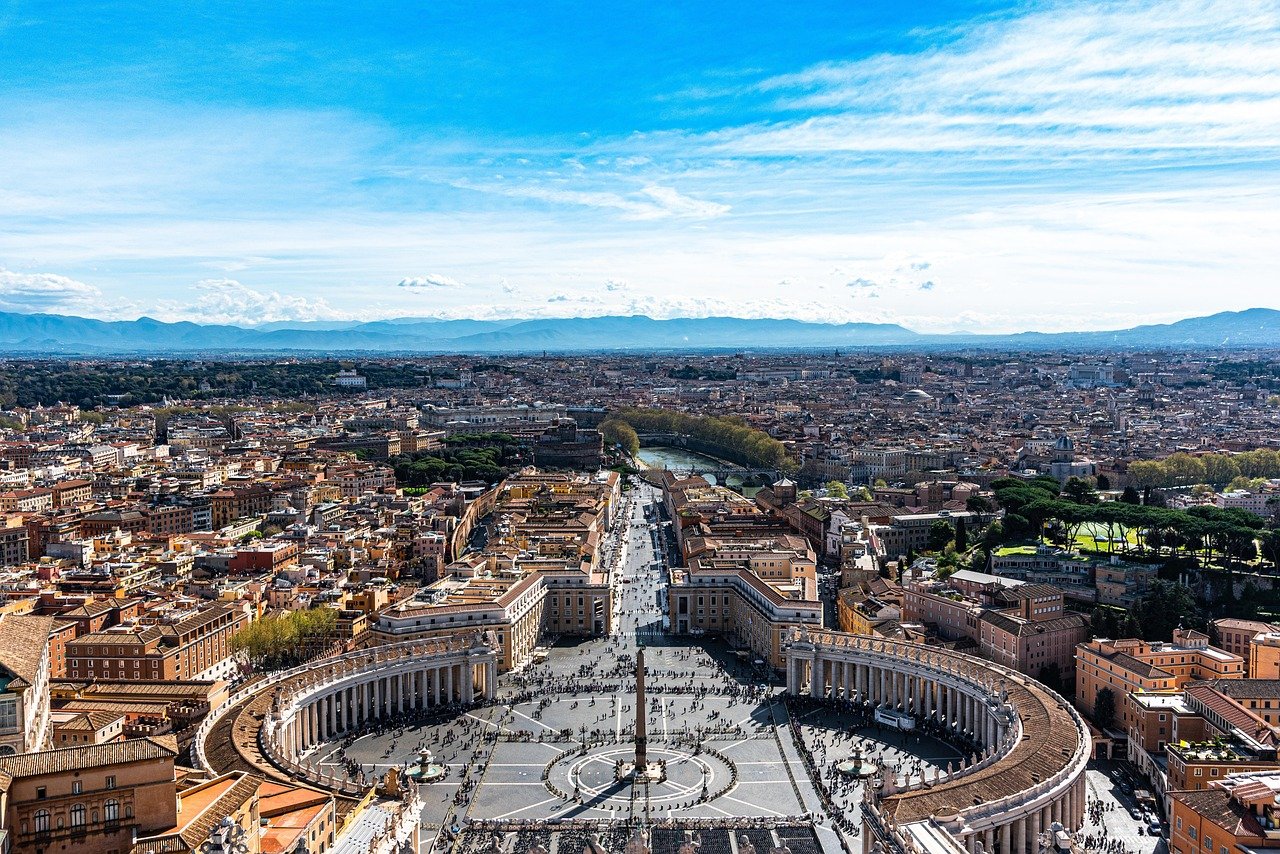

Rome is the cliché of Europe that actually earns the cliché. It is the city that somehow feels like an outdoor museum, an espresso bar, and an existential question—simultaneously. People come here expecting marble and mythology, and, well, perhap it’s too on-the-nose, but that’s exactly what they get. The strange thing is: it still feels fresh. Even the ruins look like they just sighed for the first time this morning.
This list of the 20 best things to do in Rome is not about chasing every last rock of historic validation like a tired tourist checklist. It’s more like—what are the moments that make Rome actually land inside your body? What are the things that feel worth interrupting your perfectly mediocre daily life for? Because, I think, the city rewards intentionality. And also wandering. Contradictions coexist comfortably here. You can plan or you can stumble. Both work.
From monumental architecture that is too monumental for your camera lens, to small rituals—gelato after midnight, a basilica that smells like cold stone—it all counts. Rome is not subtle. And yet some of its pleasures are.
So yes, this is a “best things to do” guide. But it’s also permission to move slowly.
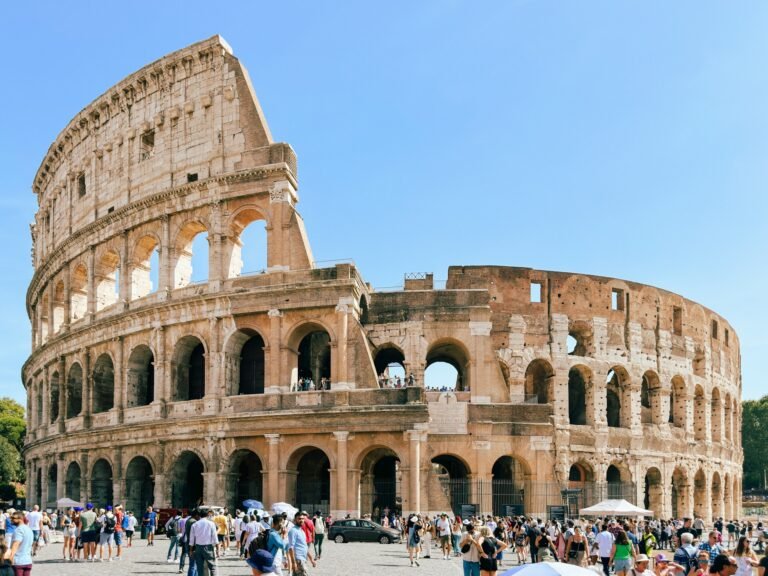
1. The Colosseum: Yes, It’s Touristy. Do It Anyway.
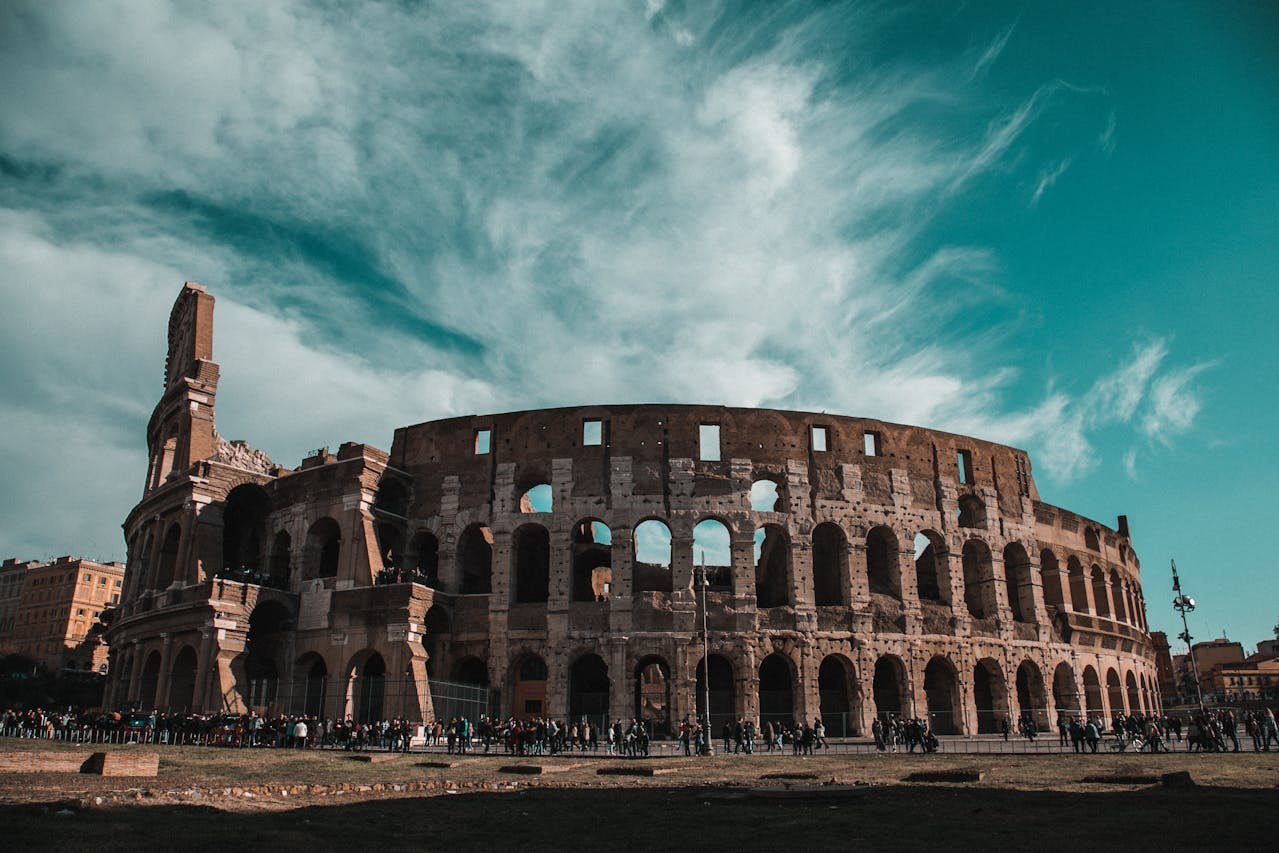
Look, I get it. The Colosseum is probably on every single Rome itinerary ever written. There’s a reason for that—it’s genuinely jaw-dropping. Standing in an amphitheater where 50,000 Romans once watched gladiatorial combat has a way of making your daily problems feel… smaller.
Pro tip: Book your tickets online through the official CoopCulture site to skip the nightmare queues that snake around the building like a tourist conga line. Spring for the underground and arena floor access if your budget allows. It’s worth it to stand where the gladiators actually stood, even if you’re wearing Allbirds instead of sandals.
2. Roman Forum and Palatine Hill: Where Empire Happened
Right next door to the Colosseum, the Roman Forum is basically an outdoor museum of what used to be ancient Rome’s downtown. I think what strikes me most isn’t the grandeur—it’s how ordinary some of it feels. These were streets. Markets. Government buildings. People argued about taxes here, probably complained about traffic (chariot-related, admittedly), and grabbed lunch.
The Palatine Hill rises above it all, offering some of the best views in Rome and a quiet escape from the crowds below. It’s where emperors built their palaces, and honestly, they had excellent taste in real estate.
3. Vatican Museums and the Sistine Chapel: Plan This One
The Vatican Museums are overwhelming in the best and worst ways. You’re going to see more art than your brain can actually process, from Egyptian mummies to Renaissance masterpieces. The Sistine Chapel, with Michelangelo’s ceiling that took four years of neck-craning work to create, is the obvious highlight.
Here’s what no one tells you: go on Wednesday morning if you can. Everyone’s at the Papal Audience in St. Peter’s Square, meaning the museums are (relatively) empty. Also, wear comfortable shoes. This isn’t a suggestion—it’s a medical recommendation. You’re going to walk about four miles through galleries.
4. St. Peter’s Basilica: Free and Stunning
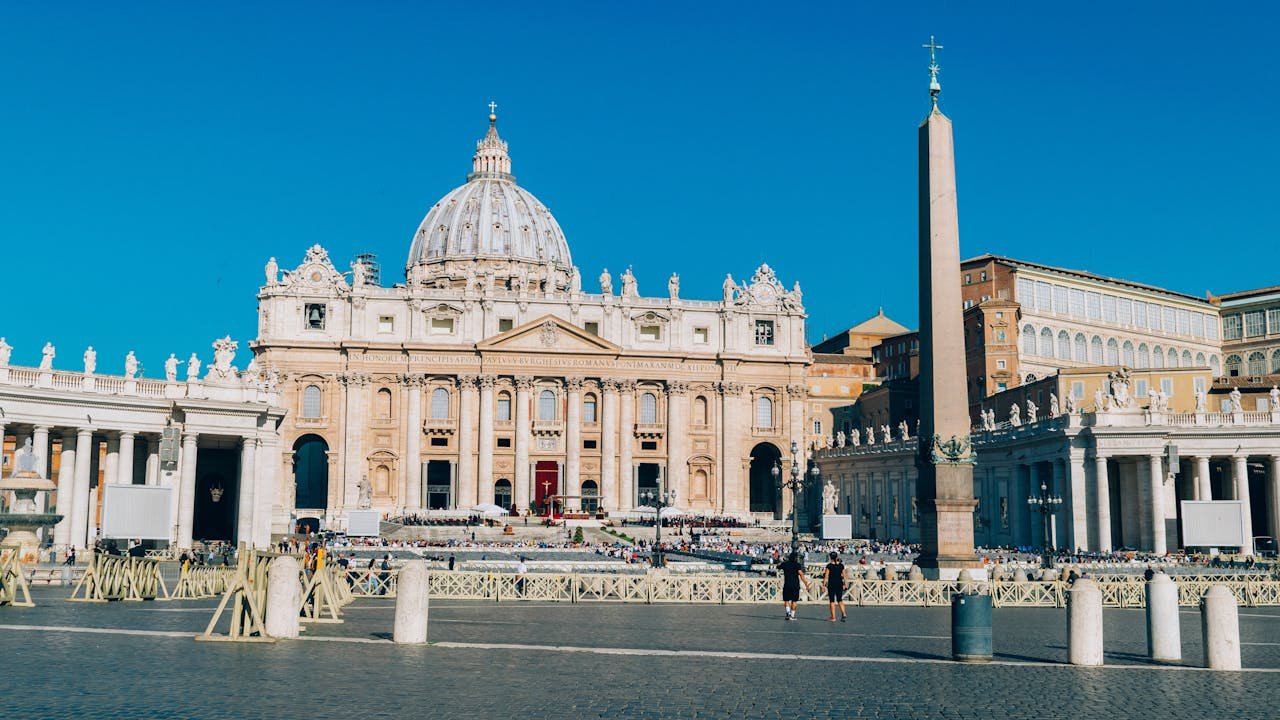
While you’re in Vatican City, St. Peter’s Basilica deserves its own visit. Entry is free, which feels almost criminal given what you’re seeing. Michelangelo’s Pietà alone is worth the trip. The basilica is massive—like, you-don’t-understand-until-you’re-inside-it massive.
Climb the dome if you’re not claustrophobic. It’s 551 steps (320 if you take the elevator partway), and yes, it gets narrow and slightly panic-inducing near the top. But the view over Rome? chef’s kiss.
5. Trevi Fountain: Evening is Your Friend
The Trevi Fountain is magnificent, baroque, and perpetually mobbed. I’ve seen it at various times of day, and evening—around 9 or 10 PM—is when it’s most magical and least suffocating. The lighting transforms it into something ethereal.
Toss your coin (right hand over left shoulder, they say), and yes, it feels touristy, but sometimes touristy things are touristy for good reason. Just watch your belongings—pickpockets love this fountain almost as much as tourists do.
6. Pantheon: Ancient Rome’s Architectural Flex
The Pantheon might be my favorite building in Rome, and I say that as someone who’s seen a lot of old buildings. Built nearly 2,000 years ago, its dome remains the world’s largest unreinforced concrete dome. The oculus—that circular opening at the top—is the only light source, and when rain falls through it, there’s something almost spiritual about watching it.
It’s now a church and a tomb (Raphael is buried here), and entry is free. Go early morning or late afternoon when the light does interesting things inside.
7. Trastevere: Get Lost Here on Purpose
Trastevere is Rome’s bohemian neighborhood, all cobblestone streets, ivy-covered buildings, and the kind of authenticity that guidebooks always promise but rarely deliver. This is where you eat dinner, not at 6 PM like a tourist, but at 9 PM like an actual person who lives in Italy.
Wander without a map. Pop into Santa Maria in Trastevere, one of Rome’s oldest churches with stunning mosaics. Find a trattoria with plastic chairs and locals arguing passionately about football. Order whatever the server recommends. You’re welcome.
8. Villa Borghese Gardens: Rome’s Green Escape
When Rome’s marble overload gets too much—and it will—the Villa Borghese Gardens offer acres of green escape. Rent a bike, row a boat, or just find a bench and people-watch like a proper Roman.
The Galleria Borghese sits within the park and houses an almost obscene collection of Bernini sculptures and Caravaggio paintings. You must book ahead—they only allow 360 people in at a time for two-hour slots. This makes for a civilized, uncrowded viewing experience that’s increasingly rare in Rome.
9. Campo de’ Fiori Market: Morning Energy
Campo de’ Fiori transforms throughout the day. Mornings bring a vibrant produce market with vendors who’ve been selling here for generations. The tomatoes are so red they look photoshopped. The cheese selection could make you cry (happy tears).
By evening, it morphs into a social hub where Romans meet for aperitivo and tourists wonder if they’re cool enough to be here. The answer is yes—just order something and stop overthinking it.
10. Catacombs: Rome’s Underground City
The Catacombs of San Callisto or San Sebastiano offer a completely different Rome experience. These underground burial chambers stretch for miles beneath the city, holding the remains of early Christians and elaborate frescoes that have survived centuries in the dark.
Tours are guided-only, which is probably for the best—getting lost down here would be a real problem. It’s cool temperature-wise (bring a light jacket) and cool experience-wise. Perhap not for the claustrophobic, though.
11. Aventine Hill Keyhole: Rome’s Worst-Kept Secret
At the Knights of Malta gate on Aventine Hill, there’s a keyhole. Look through it, and you’ll see St. Peter’s Basilica perfectly framed through a hedge-lined corridor, with three countries visible in one view (Italy, Vatican City, and the Sovereign Military Order of Malta’s property). It’s whimsical and oddly moving.
There’s usually a queue of people waiting to peek, which somehow makes it more charming rather than less. Rome’s ability to surprise you with tiny, perfect moments like this is unmatched.
12. Baths of Caracalla: Underrated Grandeur
The Baths of Caracalla don’t get the attention of the Colosseum, but these sprawling ruins were once a social hub where Romans bathed, exercised, and socialized. The scale is stunning—they could accommodate 1,600 bathers at once.
In summer, they host opera performances among the ruins, which is exactly as dramatic and wonderful as it sounds. Even without a performance, wandering the remains of changing rooms, pools, and gardens offers a glimpse into Roman daily life that feels more intimate than the big-ticket sites.
13. Capitoline Museums: Art Without the Crowds
The Capitoline Museums are Rome’s oldest public museums, dating back to 1471. They’re housed in buildings designed by Michelangelo and contain an embarrassment of ancient Roman sculptures, Renaissance art, and that iconic statue of Romulus and Remus being nursed by a wolf.
The courtyard displays pieces of a massive Constantine statue—just his head and hand are several feet tall, which really drives home the whole empire thing. It’s less crowded than the Vatican Museums and, honestly, almost as impressive.
14. Jewish Ghetto: History and the Best Fried Artichokes
The Jewish Ghetto is one of Rome’s most historically rich neighborhoods. Jews have lived in Rome for over 2,000 years—longer than almost anywhere else in Europe. The area has incredible bakeries, trattorias serving Roman-Jewish cuisine, and a powerful history visible in everything from the Great Synagogue to the cobblestones.
You haven’t lived until you’ve tried carciofi alla giudia (Jewish-style fried artichokes). They’re crispy, salty, and somehow worth the premium price. Nonna Betta does them particularly well.
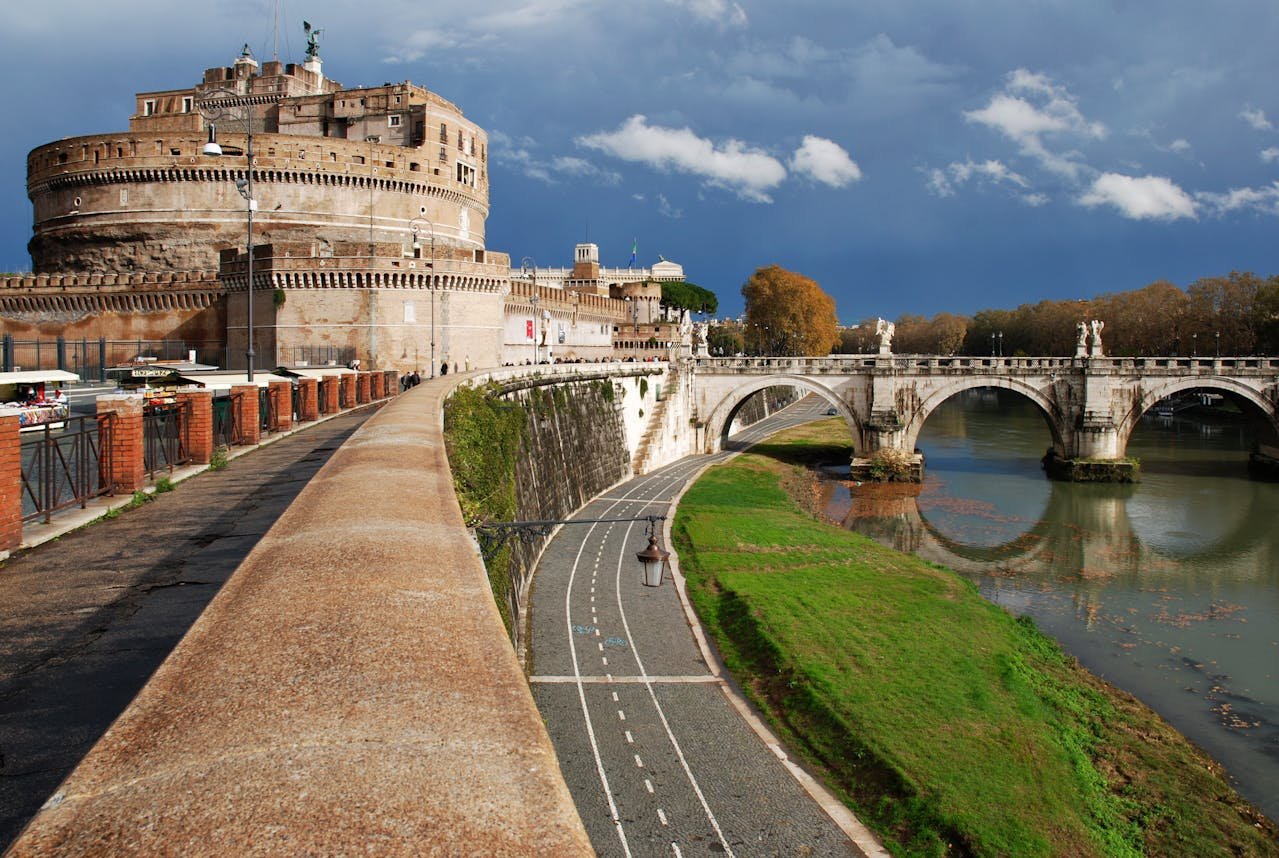
15. Castel Sant’Angelo: Fortress, Prison, Papal Refuge
Castel Sant’Angelo started as Emperor Hadrian’s mausoleum, became a fortress, served as a prison, and was used as a papal refuge during sieges. It’s had more career changes than most people.
The views from the top are spectacular—you can see across Rome and get a perfect angle on St. Peter’s Basilica. The interior is a maze of rooms, passageways, and unexpected frescoes. Plus, there’s something satisfying about walking along the ancient passageway (the Passetto di Borgo) that popes used to escape from Vatican to fortress.
16. Aperitivo Culture: Not Quite a Thing to Do, More a Way of Life
Between roughly 6 and 9 PM, Romans participate in aperitivo—the pre-dinner ritual of drinks and snacks that’s less structured than Spanish tapas but more substantial than American happy hour. Order a Spritz or Negroni, and they’ll bring out complimentary snacks ranging from chips to full buffets depending on the place.
The Testaccio neighborhood has excellent aperitivo spots that are more local than central Rome options. Watch how Romans do it—they’re not rushing, they’re not checking their phones every thirty seconds, they’re just being present. Wild concept, I know.
17. Appian Way: Walk an Ancient Highway
The Appian Way (Via Appia Antica) is one of Rome’s oldest roads, built in 312 BC. You can bike or walk along original Roman paving stones, past umbrella pines, ancient ruins, and the occasional sheep. It’s surreal to use the same road that Roman legions marched along.
Rent bikes from Appia Antica Bike near the start of the route. The Parco Regionale dell’Appia Antica visitor center has maps and suggestions. It’s a perfect half-day escape from urban Rome.
18. Eat Your Way Through a Roman Menu
Roman cuisine deserves its own entry because honestly, I think about carbonara at least once a week, and I haven’t lived in Rome for years. This is not health food—this is pasta with guanciale (cured pork cheek), eggs, and Pecorino Romano that will make you understand why Italians are so passionate about food.
Must-tries: carbonara, cacio e pepe, amatriciana, saltimbocca, supplì (fried rice balls), maritozzo (cream-filled brioche). For the adventurous, trippa (tripe) is a Roman specialty. Places like Flavio al Velavevodetto in Testaccio or Da Enzo al 29 in Trastevere serve the real deal.
19. Piazza Navona: Baroque Beauty and Tourist Traps
Piazza Navona is stunning—a baroque masterpiece built on the footprint of an ancient stadium. Bernini’s Fountain of the Four Rivers is the centerpiece, representing the Nile, Ganges, Danube, and Rio de la Plata.
The cafes ringing the square are notoriously overpriced, and the artists selling paintings are… variable in quality. But early morning or late evening, when it’s less packed, the space itself is worth experiencing. Street performers range from talented musicians to people dressed as gladiators who’ll charge you €10 for a photo. Navigate accordingly.
20. Just Get Lost
My final recommendation isn’t a specific place—it’s a strategy. Put away your phone occasionally. Take a street because it looks interesting. Follow the sound of music or laughter. Stop for gelato without checking TripAdvisor reviews first.
Some of my best Rome memories aren’t from famous monuments—they’re from stumbling into a tiny church with incredible frescoes and no tourists, or finding a fountain tucked into a quiet piazza where locals filled water bottles, or having a conversation with an elderly woman who insisted on telling me, in broken English and enthusiastic gestures, about her grandson’s wedding.
Rome rewards aimless wandering in ways that rigid itineraries simply can’t capture. Yes, see the Colosseum. But also see what happens when you just… drift.

Conclusion: Rome Wasn’t Built in a Day (And You Can’t See It in One Either)
Here’s the truth about Rome: you’re going to miss things. Amazing things. There’s too much history, too much art, too much everything concentrated in one city. I’ve been four times and I’m still adding to my “next time” list.
But that’s okay. Actually, it’s more than okay—it’s an excuse to come back. Rome isn’t going anywhere. Those ruins have been standing for millennia; they’ll wait for your return visit.
Focus on what genuinely interests you rather than checking boxes. If you hate crowds, skip the Trevi Fountain at midday and find a quiet church instead. If you’re a food person, build your itinerary around meals. If ancient history makes your heart race, you could spend a week just on archaeological sites.
The Eternal City has earned its nickname. It’ll still be here, chaotic and beautiful and frustrating and magnificent, whenever you’re ready for it. Or it’s ready for you. With Rome, it’s hard to say who chooses whom.
Frequently Asked Questions
What is the number one thing to do in Rome?
Answer: The Colosseum consistently ranks as Rome’s top attraction, and for good reason—standing in an almost 2,000-year-old amphitheater that once held 50,000 spectators is genuinely awe-inspiring. That said, the “number one” thing really depends on your interests. History buffs might argue for the Roman Forum, art lovers could make a case for the Vatican Museums, and food enthusiasts might say experiencing authentic Roman cuisine is unmissable.
How many days do you need in Rome?
Answer: Ideally, 4-5 days gives you enough time to see major attractions without feeling rushed and allows for some wandering. You could hit the highlights in 2-3 days if time is limited, but you’ll be moving quickly. A week lets you explore neighborhoods more deeply and take day trips. Rome has enough to fill weeks, honestly, but most visitors find 4-5 days hits the sweet spot between coverage and depth.
What should I not miss in Rome?
Answer: The absolute essentials are the Colosseum, Roman Forum, Vatican Museums and Sistine Chapel, St. Peter’s Basilica, Trevi Fountain, and Pantheon. Beyond monuments, don’t miss experiencing authentic Roman food—carbonara, cacio e pepe, and proper gelato are non-negotiable. Also, exploring a neighborhood like Trastevere or the Jewish Ghetto gives you a sense of actual Roman life beyond the tourist trail.
Is Rome very expensive?
Answer: Rome is moderately expensive by European standards, but you can manage costs. Major museum entries range from €12-20, though many churches are free. Meals vary wildly—a tourist trap near the Trevi Fountain might charge €8 for mediocre gelato, while a neighborhood spot charges €3 for exceptional stuff. Budget €100-150 per day for mid-range travel (accommodation, food, attractions), or €200+ for more comfortable spending. Street food, picnics, and aperitivo buffets help stretch your budget.
What is the best month to visit Rome?
Answer: April-May and September-October offer the best combination of pleasant weather and manageable crowds. Summer (June-August) is hot, humid, and packed with tourists, though many Romans leave in August, creating a different vibe. Winter (November-February) is quietest and cheapest but some days are rainy and cold. Easter week is beautiful but extremely crowded.
Can you walk everywhere in Rome?
Answer: Central Rome’s major attractions are surprisingly walkable—most key sites are within 2-3 miles of each other. However, Rome is built on seven hills (not a myth), so there’s more climbing than you might expect. The metro is limited but useful for longer distances. Many visitors walk 10-15 miles per day sightseeing, so comfortable shoes aren’t optional. Taxis and Uber are available but can be expensive. Walking is definitely doable and often the best way to experience the city.
Do you need to book Rome attractions in advance?
Answer: Yes, absolutely book major attractions ahead. The Colosseum, Vatican Museums, Borghese Gallery, and popular restaurants should be booked weeks in advance, especially in peak season. Many attractions offer skip-the-line tickets that are worth the small upcharge. Some things like churches and the Pantheon don’t require advance booking, but popular sites with limited capacity sell out quickly. Book early to avoid disappointment and hours-long queues.
Is Rome safe for tourists?
Answer: Rome is generally safe, with violent crime against tourists being rare. The main concerns are pickpockets and scams, particularly around major tourist sites like the Trevi Fountain, Colosseum, and crowded buses/metro. Keep valuables secure, be aware of your surroundings, and ignore overly friendly strangers offering help with tickets or directions. Avoid unlicensed taxis. Use common sense and you’ll be fine—millions of tourists visit annually without incidents.
What should I wear in Rome?
Answer: Dress relatively conservatively, especially when visiting churches—shoulders and knees should be covered, or you’ll be denied entry to places like St. Peter’s Basilica. Romans tend to dress more formally than typical American or British tourists. Comfortable walking shoes are essential—you’ll be on your feet all day, often on cobblestones. Layers are helpful as churches can be cool even when it’s warm outside. Summer requires sun protection and a water bottle.
How do you get around Rome?
Answer: Walking is the primary mode for central Rome. The metro has three lines (A, B, and C) that cover major areas but miss many attractions. Buses and trams are extensive but can be confusing for first-time visitors. Purchase a Roma Pass for unlimited public transport plus museum discounts. Taxis are expensive but useful late at night or for longer distances. Many visitors find walking plus occasional metro or taxi rides works best. Rome’s historic center isn’t car-friendly, so don’t rent a vehicle for city sightseeing.
Top Travel Recommendations for Rome
- Rome Tourist Card – Offers skip-the-line access to major attractions plus unlimited public transport, saving both time and money across 2-3 day visits.
- Omio – Best platform for booking trains between Rome and other Italian cities like Florence, Venice, or Naples with competitive prices and easy mobile tickets.
- Get Your Guide – Reliable booking platform for Rome tours, including Vatican early morning access, Colosseum underground tours, and food walking tours.
- CoopCulture – Official booking site for the Colosseum, Roman Forum, and Palatine Hill tickets, offering the most reliable access and best prices.
- Galleria Borghese – Must-book-ahead museum with limited timed entry featuring Bernini sculptures and Caravaggio paintings in an intimate setting.
- Vatican Museums – Official Vatican booking site for accessing the Sistine Chapel and extensive art collections, with early morning and evening options to avoid crowds.
- Context Travel – Offers small-group walking tours led by historians and archaeologists providing deeper cultural insight than typical tourist tours.
- Eating Italy Food Tours – Highly-rated food walking tours through Trastevere and Testaccio neighborhoods featuring authentic Roman cuisine and local vendors.
- Dark Rome – Specializes in after-hours Vatican tours and underground Colosseum access, providing unique experiences beyond standard visits.
- Airbnb Experiences Rome – Local-hosted activities from pasta-making classes to photography walks offering authentic Roman experiences with neighborhood insights.
- Roma Pass – Official city tourist card providing free entry to first two museums, discounted entry to others, plus unlimited public transportation.
- ItaliaRail – User-friendly platform for booking Italian train tickets with English-language support and helpful route planning tools.
- Walks of Italy – Well-reviewed tour company offering small-group experiences including Colosseum tours, Vatican visits, and day trips to Pompeii.
- Testaccio Market – Local food market perfect for authentic Roman street food, fresh produce, and experiencing neighborhood life away from tourist crowds.
- Roscioli – Legendary restaurant and deli near Campo de’ Fiori serving exceptional carbonara and boasting an impressive wine selection; reservations essential.
- Trastevere Walking Tour – Free walking tours through Rome’s most charming neighborhood, operating on tips with knowledgeable guides.
- Borghese Gallery Tickets – Official ticketing partner for Galleria Borghese with timed entry slots that must be booked well in advance.
- Catacomb Tours – Official site for booking guided tours of Rome’s underground burial chambers including San Callisto and San Sebastiano.
- Appian Bike Tours – Bike rentals and guided tours along the ancient Appian Way, offering escape from urban Rome into countryside history.
- Rome Cavalieri Waldorf Astoria – Luxury hotel option with rooftop restaurant offering panoramic city views, worth visiting for a splurge meal even if not staying there.