
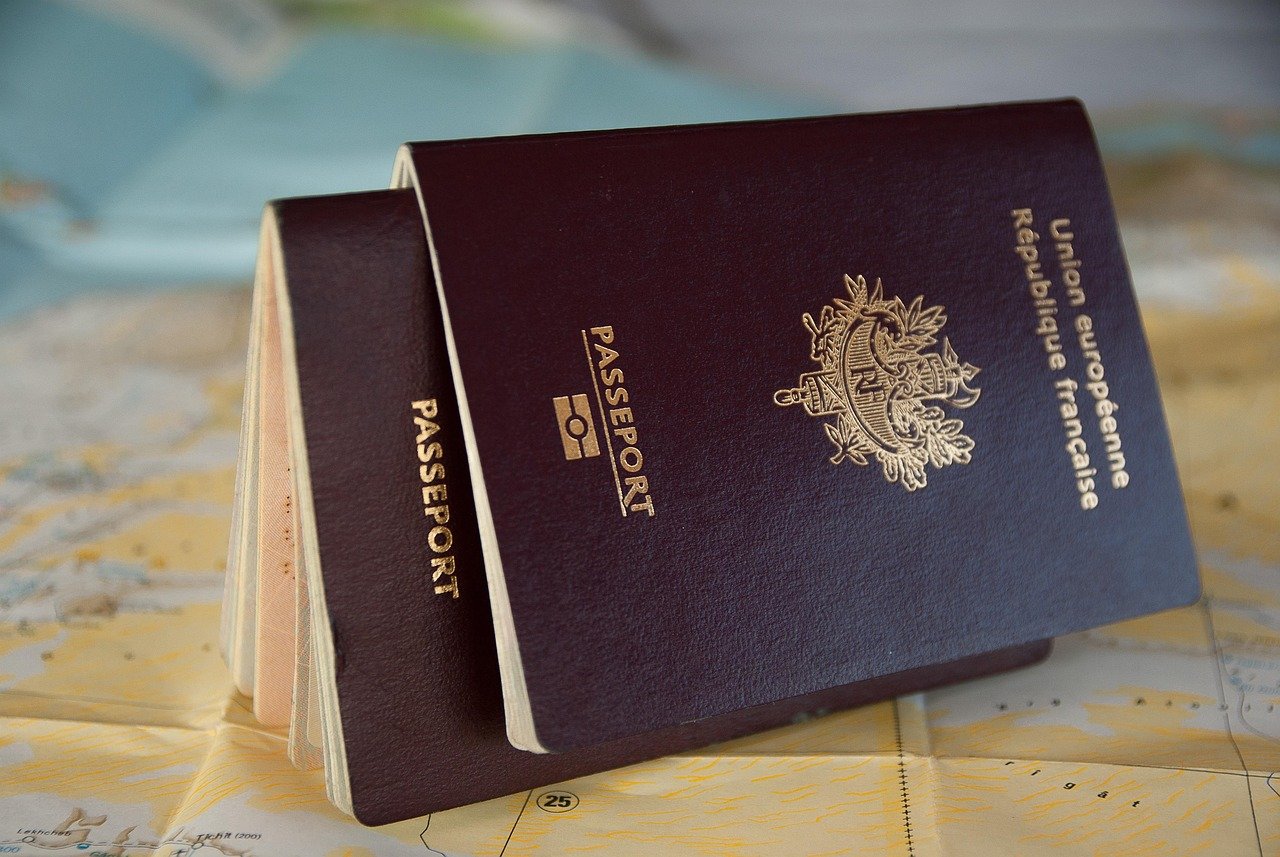


Becoming a master traveler—sounds lofty, doesn’t it? Like some elite club where you’re handed a passport stamped with the kind of wisdom only earned through trial, error, and probably a decent amount of luggage mishaps. But here’s a secret: mastering travel isn’t about ticking every “must-see” box or lugging around the latest gear with the precision of an infomercial. It’s more nuanced. There’s an art to it, no doubt, but also a bit of a messy, paradoxical dance with spontaneity and planning.
You might think it’s all about the perfect itinerary, but no—it’s equally about embracing the unpredictable, those glorious detours that turn into your best stories. It’s about knowing when to push through exhaustion and when to just fold up your map, grab a coffee, and watch the world swirl around you.
These thirteen secrets aren’t just a checklist; they’re little insider truths that separate the vacationers from the travelers who return with more than souvenirs—and less stress. Some might seem obvious—others will nudge you out of your comfort zone, shake up your routines, or maybe just confirm what you’ve been quietly suspecting all along: that travel mastery isn’t about perfection. It’s about the messy, wonderful imperfections that make it memorable. Or at least, that’s what I think.
1. Pack Like You’re Going to Have to Carry Everything on Your Back (Because You Might)
Here’s the thing nobody tells you until it’s too late: that checked bag you lovingly filled with “just in case” items? It’s going to Zagreb while you’re headed to Lisbon. I learned this the hard way in Rome when my luggage decided to take an extended vacation in Frankfurt.
The golden rule? If you can’t carry it yourself for 20 minutes without wanting to collapse, you’ve packed too much. Period.
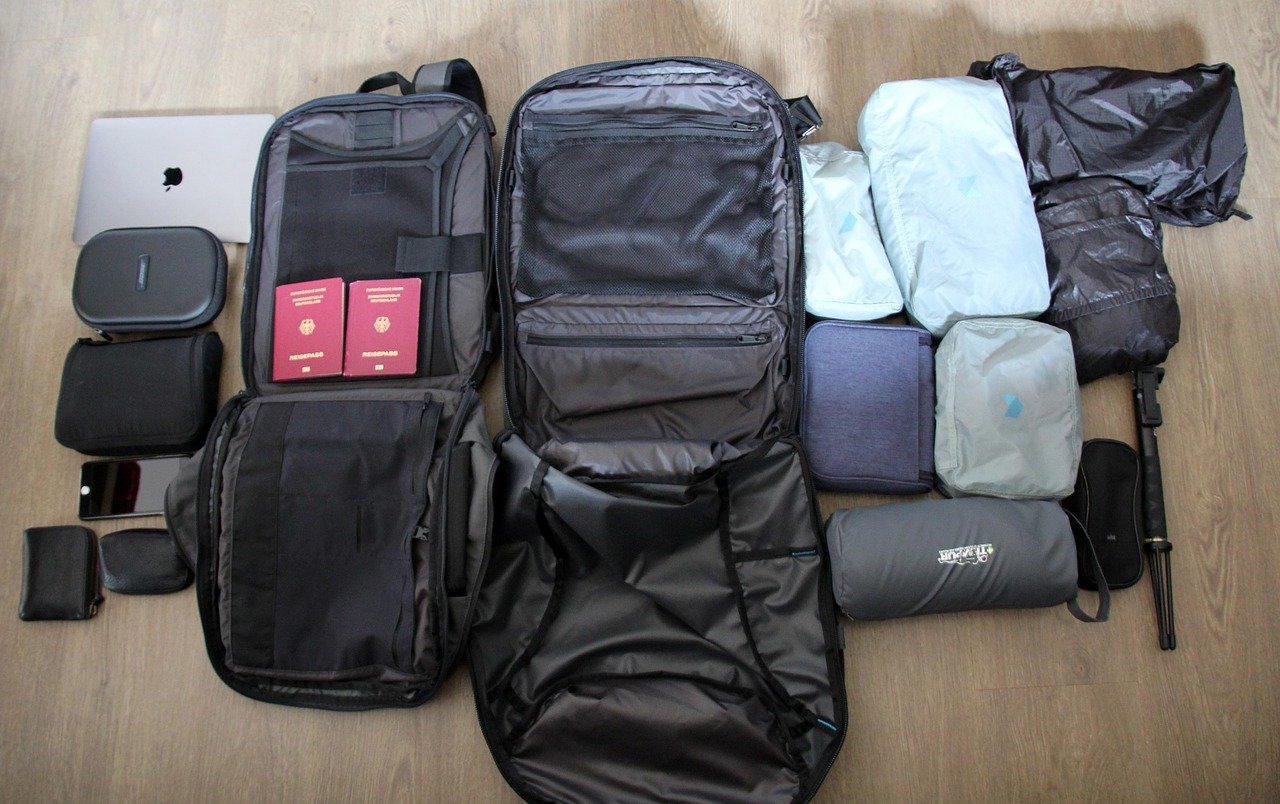
I’ve watched people drag three enormous suitcases through cobblestone streets in Prague, sweating and swearing, while I breezed past with my single carry-on and day pack. Who do you think enjoyed their trip more?
Here’s what actually goes in my bag: seven days’ worth of clothes max (you can wash things, I promise), one versatile jacket, comfortable walking shoes that don’t scream “tourist,” and enough underwear and socks to account for the inevitable laundry procrastination. Everything else is negotiable.
2. Learn to Say Three Things in Every Language
You don’t need to be fluent. You just need to not be *that* person who walks into a shop in rural France loudly demanding “DOES ANYONE HERE SPEAK ENGLISH?” like you’re auditioning for a role as the worst kind of expat.
Master these three phrases in the local language:
- “Hello/Good morning”
- “Thank you”
- “I’m sorry, I don’t speak [language]—do you speak English?”
That third one is crucial. It acknowledges that you’re the outsider here, not them. The difference in how people respond when you lead with an attempt at their language versus just assuming they’ll accommodate you? Night and day. I’ve gotten free desserts, insider tips, and genuine warmth just by bothering to learn how to say “Dzień dobry” in Poland or “Obrigado” in Portugal.
3. Embrace the Art of Strategic Jet Lag Management
Everyone has their theory about beating jet lag. Some people swear by melatonin. Others do that weird thing where they try to shift their sleep schedule gradually before they leave (which, let’s be honest, nobody actually does successfully).
After flying across more time zones than I care to count, here’s what actually works: the moment you board that plane, switch your watch to your destination time zone. Force yourself to sleep and eat according to that schedule, even if your body is screaming at you that it’s 3 PM and you should be wide awake.
When you land, no matter how much you want to collapse into your hotel bed, stay awake until at least 8 PM local time. I know it’s torture. I know you feel like a zombie. Do it anyway. Perhap grab a coffee, take a walk, slap yourself if necessary. Your body will thank you the next day when you wake up naturally at a reasonable hour instead of at 3 AM ready to start your day.
4. Always Carry a Universal Adapter and Backup Battery
Nothing—and I mean *nothing*—will make you feel more helpless than watching your phone die in a foreign country while you’re trying to navigate to your Airbnb at 11 PM and your backup directions are… also on your phone.
[Insert image: “Travel tech essentials laid out” or “Universal travel adapter close-up”]
A universal travel adapter isn’t sexy, but it’s the difference between being connected and being that person desperately trying to explain to a hotel receptionist that you need to charge your phone but your plug doesn’t fit their outlets. Get a good one from Amazon before you leave. Spend the extra $10 for one that won’t break on day three.
And the backup battery? Non-negotiable. I carry a 20,000mAh one that can charge my phone four or five times. It’s saved me more times than I can count, from 14-hour airport delays to full days of wandering without access to outlets.
5. Book the First and Last Night’s Accommodation in Advance—Everything Else is Flexible
I used to be one of those people who had every single night of a three-week trip meticulously planned and booked six months in advance. Then I’d arrive somewhere I loved and have to leave after two days because I’d already paid for a hotel three cities away. Or worse, I’d be stuck for four nights somewhere that turned out to be a complete dud.
Now? First night, last night, everything else I figure out as I go. Platforms like Booking.com and Airbnb make last-minute bookings easy, and honestly, some of my best accommodation experiences have been places I found with 24 hours’ notice.
This approach also means you can extend or cut short your stay based on how you’re actually feeling, not how you thought you’d feel six months ago when you were planning from your couch.
6. Get Lost on Purpose (Within Reason)
The best experiences I’ve had traveling weren’t the ones I read about in Lonely Planet. They were the ones I stumbled into by taking a wrong turn, following an interesting smell, or accepting a local’s recommendation to check out a neighborhood I’d never heard of.
In Istanbul, I ended up in this tiny tea house tucked into a back alley because I got completely turned around looking for the Grand Bazaar. The owner didn’t speak English, I didn’t speak Turkish, but somehow through gestures and Google Translate, we ended up having this fascinating conversation about his family’s tea business. That random tea house? Still one of my favorite memories from that entire trip.
Obviously, don’t wander into genuinely dangerous areas—trust your instincts and do basic research about where not to go. But in most places, the “wrong” turns lead to the right stories.
7. Eat Where the Locals Eat (And Accept That You Might Not Always Love It)
If there’s a line of tourists outside and the menu is in seven languages with pictures, keep walking. The best food is almost always in the places that look slightly sketchy, have menus entirely in the local language, and are full of people who actually live there.
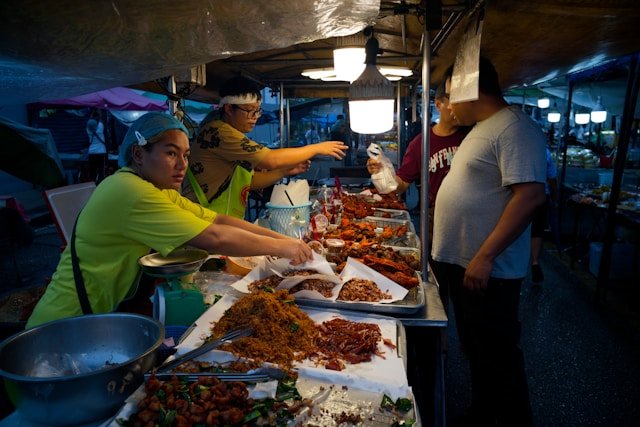
That said, I think it’s important to acknowledge that sometimes authentic local cuisine isn’t going to be your thing. And that’s okay! I’ve had incredible meals in tiny family-run places, and I’ve also had meals where I smiled politely while internally wondering if I could subtly spit something into my napkin.
The point isn’t to force yourself to love everything. The point is to try, to be open, and to understand that food is culture. Even if you don’t end up loving fermented fish or spicy intestines or whatever the local delicacy is, you’ll have experienced something real.
8. Master the Art of the Strategic Nap
Power naps are your secret weapon. Not the three-hour dead-to-the-world naps that leave you confused about what day it is—I’m talking about the strategic 20-30 minute naps that recharge you just enough to keep going without completely derailing your sleep schedule.
Find a park bench, a quiet corner of a museum, even a coffee shop booth if you’re shameless enough. Set an alarm. Close your eyes. Twenty minutes later, you’re a new person. I’ve powered through 16-hour days of sightseeing thanks to well-timed afternoon naps.
9. Always Have a Backup Plan for Your Backup Plan
Traveling is basically an exercise in managing chaos. Flights get canceled. Hotels mess up bookings. Credit cards get declined for “suspicious activity” (aka you using them for their intended purpose in a foreign country). Weather ruins outdoor plans. Museums are randomly closed on the one day you’re in town.
The travelers who thrive aren’t the ones who never encounter problems—they’re the ones who’ve learned to roll with them. Keep digital and physical copies of important documents. Have a credit card from a different bank as backup. Download offline maps. Save a few key phone numbers in your phone. Know where your country’s embassy is, even if you never need it.
I keep a small emergency fund in cash hidden in my bag, separate from my wallet. Has it saved me? Yes, twice—once when every ATM in a small Italian town was mysteriously out of order, and once when a place only took cash and I’d foolishly left my wallet at the hotel.
10. Invest in Travel Insurance (And Actually Read What It Covers)
I know, I know. Insurance is boring. It feels like throwing money away on something you’ll probably never use. Until you need it, and then you’ll thank every deity you can think of that you have it.
I didn’t have travel insurance on my first big trip. Everything went fine until I got food poisoning in Thailand so severe that I ended up in a hospital for two days. The bill? Let’s just say it was significantly more than what comprehensive travel insurance would have cost for the entire month I was traveling.
Companies like World Nomads and InsureMyTrip offer solid coverage. Read the fine print. Make sure it actually covers what you’re planning to do. Going bungee jumping in New Zealand? Check if that’s covered. Planning to rent a scooter in Bali? Better make sure your policy includes that.
11. Don’t Try to See Everything—You’ll See Nothing
First-time travelers make this mistake constantly: they try to pack 47 countries into three weeks, spending more time in airports and train stations than actually experiencing anywhere.
Here’s the truth: you’re better off spending five days really exploring one city than rushing through five cities in five days, seeing nothing but the insides of museums and the view from bus windows. Some of my richest travel experiences have come from spending a week or more in a single place, getting to know the rhythms, finding my favorite coffee shop, figuring out the public transit, having genuine interactions.
Slow down. You can’t see everything, and trying to will just leave you exhausted and resentful. Pick a few places, stay a while, go deep instead of broad.
12. Make Friends with Other Travelers (But Don’t Only Hang Out with Them)
The hostel scene, the backpacker trail, the groups of travelers who cluster together—there’s comfort in it, I get it. It’s easy to bond with people who are going through the same experience, who speak your language, who understand your cultural references.
But if you only hang out with other travelers, you’re essentially creating a little bubble of home around yourself. You miss the whole point. Some of my best travel memories involve locals who took me under their wing, showed me their city through their eyes, invited me into their lives for a minute.
That said, traveler friendships are special too. I’ve met people at random hostels who I’m still friends with years later, scattered across continents but connected by those shared experiences of being lost, broke, and wildly out of our comfort zones together.
13. Keep a Travel Journal (Even If You Think You Won’t)
I resisted this for years because it felt too precious, too “Dear Diary.” But after several trips where I found myself struggling to remember details a year later, I started keeping a simple journal—not lengthy prose, just quick daily notes about what I did, what I ate, random observations, funny moments.
It doesn’t have to be Shakespeare. Mine are full of barely legible scrawls like “Istanbul day 3 – got lost near Galata, best baklava at tiny shop on corner, random cat followed me for 20 minutes, legs hurt, amazing sunset.”
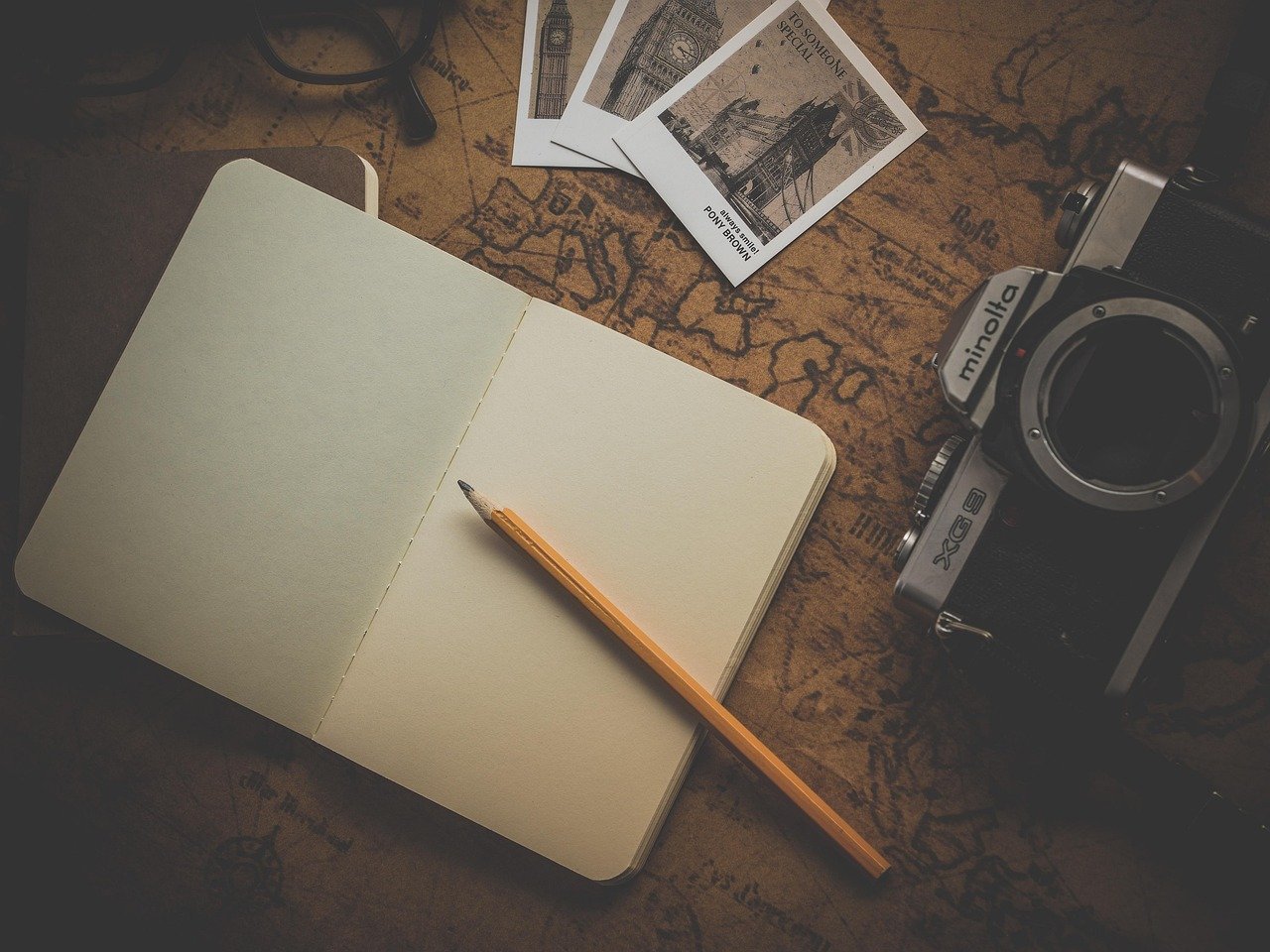
But those messy notes? They’re gold. They bring back entire days in vivid detail. They remind me of moments my camera didn’t catch. And honestly, looking back through them is almost as good as the trips themselves.
The Real Golden Rule: There Are No Rules
Here’s what I’ve really learned after years of traveling: all of these “rules” are just guidelines. What works for me might not work for you. The best travelers are the ones who figure out their own style, their own rhythm, their own way of moving through the world.
Some people thrive on detailed planning. Others do better completely winging it. Some people need their creature comforts. Others are happy sleeping on buses and eating street food for weeks on end. There’s no wrong way to travel—only wrong expectations.
The real skill isn’t following some prescribed set of rules. It’s learning to be adaptable, curious, humble, and present. It’s being comfortable with being uncomfortable. It’s accepting that things will go wrong and finding the humor in it instead of the frustration.
So sure, pack light and learn a few phrases and get travel insurance. But more importantly? Stay open. Say yes more than you say no. Talk to strangers. Try weird food. Take the scenic route. Get a little lost.
Because at the end of the day, the trips you remember aren’t the ones where everything went perfectly according to plan. They’re the ones where you ended up somewhere you never expected, doing something you never imagined, discovering parts of yourself you didn’t know existed.
That’s what being a master traveler really means—not having all the answers, but being comfortable with the questions. Not eliminating chaos, but dancing with it. Not seeing everything, but really *seeing* something.
Now get out there. Make mistakes. Miss trains. Order the wrong thing. Get hopelessly lost. And enjoy every messy, beautiful minute of it.
Essential Travel Resources & Tools
Booking.com
Comprehensive accommodation booking platform with excellent cancellation policies and rewards program for frequent travelers.
Airbnb
Perfect for longer stays and experiencing neighborhoods like a local, with everything from budget rooms to entire apartments.
Skyscanner
Flight comparison tool that searches hundreds of airlines to find the best deals and flexible date options.
Rome2Rio
Brilliant multi-modal transport planner showing every possible way to get from point A to point B, with cost and time estimates.
World Nomads Travel Insurance
Flexible travel insurance designed specifically for adventurous travelers, covering activities most standard policies exclude.
Revolut
Digital banking app with excellent exchange rates, no foreign transaction fees, and instant currency conversion for travelers.
Wise (formerly TransferWise)
Multi-currency account with real exchange rates and minimal fees, essential for anyone spending extended time abroad.
Google Maps Offline
Download entire city maps for offline use—absolute lifesaver when you have no data connection or WiFi.
The Man in Seat 61
Incredible resource for train travel across Europe and beyond, with detailed route guides and booking advice.
Lonely Planet
Classic travel guide series with both digital and physical books offering deep cultural context and practical tips.
Hostelworld
Best platform for booking hostels globally, with genuine reviews and social atmosphere ratings.
TripAdvisor
Massive database of reviews for restaurants, hotels, and attractions—take with a grain of salt but useful for spotting red flags.
PackPoint
Smart packing list app that generates customized lists based on your destination, length of trip, and planned activities.
Osprey Farpoint Travel Backpack
Industry-standard carry-on travel backpack that’s durable, comfortable, and perfectly sized for most airline requirements.
Anker PowerCore 20000
Reliable high-capacity portable charger that can fully charge most smartphones four to five times.
Nomadic Matt
Comprehensive travel blog with detailed destination guides, budget tips, and honest advice from years of experience.
EatWith
Platform connecting travelers with locals for authentic home-cooked meals and culinary experiences.
Trainline
Easy-to-use European train booking platform with mobile tickets and real-time journey updates.
Couchsurfing
Connect with locals for free accommodation and genuine cultural exchange experiences worldwide.
XE Currency Converter
Real-time currency exchange rates that work offline, essential for quick mental math while shopping abroad.
Frequently Asked Questions About Becoming a Master Traveler
How much money do I need to become a good traveler?
Answer: Being a master traveler isn’t about having unlimited funds—it’s about resourcefulness. I’ve met incredible travelers on shoestring budgets of $30 per day and wealthy tourists who were miserable. Start with what you have, focus on destinations that match your budget, and learn skills like finding cheap accommodation, cooking occasionally, and taking advantage of free activities. The investment that matters most is in good travel insurance, reliable gear like a decent backpack, and perhaps a universal adapter—everything else you can figure out as you go.
What’s the best way to overcome fear of traveling alone?
Answer: Start small rather than diving into a six-month solo trip across Southeast Asia. Take a weekend trip to a nearby city alone first, then build up to longer distances. Stay in social accommodations like hostels where you’re likely to meet other travelers. Join group activities or walking tours on your first day to ease into it. Remember that millions of people solo travel safely every year, and you’re likely more capable than you think. The fear usually evaporates within the first 24 hours once you realize you can actually do this.
How do I stay safe while traveling in unfamiliar places?
Answer: Trust your instincts first and foremost—if something feels off, remove yourself from the situation. Research your destination beforehand to understand which areas to avoid, register with your embassy if traveling to higher-risk areas, and keep someone back home informed of your general whereabouts. Keep copies of important documents separately from originals, don’t flash expensive items unnecessarily, and be aware of common scams in your destination. That said, don’t let fear prevent you from experiencing places—most destinations are far safer than sensationalist news would have you believe.
What should I do if I get sick or injured abroad?
Answer: First, don’t panic—healthcare in many countries is excellent and often more affordable than in the US. Contact your travel insurance company immediately as they can direct you to approved medical facilities and help with claims. Keep all receipts and medical documentation. For minor issues, pharmacists in most countries are knowledgeable and can help without requiring a doctor visit. Know where your embassy is located in case you need assistance with serious medical issues or hospitalization. Carry a basic first-aid kit and any prescription medications with copies of prescriptions.
How can I travel more sustainably and responsibly?
Answer: Choose slower travel methods when possible—trains over flights for shorter distances, staying longer in fewer places rather than constantly moving. Support local businesses, eat at family-run restaurants, and buy from local artisans rather than international chains. Be mindful of water usage and plastic consumption, especially in areas with limited resources. Respect local cultures and dress codes, and educate yourself about the places you visit. Consider the impact of your presence—some destinations are suffering from overtourism, so perhaps explore lesser-known alternatives. The goal is leaving places better than you found them.
What’s the ideal length for a first major trip abroad?
Answer: Two to three weeks is the sweet spot for a first significant international trip. It’s long enough to really settle into the experience and overcome initial culture shock, but not so long that you’ll feel overwhelmed or homesick. You can meaningfully explore two or three destinations without rushing. If you only have a week, that’s fine too—just focus on one place rather than trying to cover too much ground. The worst mistake is having three days in six different cities, spending all your time traveling between them rather than actually experiencing anywhere.
Do I need to speak the local language to travel successfully?
Answer: Not fluently, but learning basic phrases shows respect and opens doors. Master hello, goodbye, please, thank you, and “I don’t speak [language]—do you speak English?” in the local language. Download translation apps like Google Translate for more complex communication. In tourist areas, you’ll usually find English speakers, but in rural areas or local establishments, having some language skills or a translation app is essential. Body language and a friendly attitude will get you surprisingly far even without shared words.
How do I deal with culture shock and homesickness?
Answer: Culture shock is completely normal and usually peaks around day three to five. Give yourself permission to feel overwhelmed—it doesn’t mean you’re not cut out for travel. Maintain some routines from home like morning coffee rituals or calling family at regular times. Find familiar comforts occasionally without guilt—if you need to hit up a McDonald’s or watch Netflix in your hotel room one night, that’s okay. Connect with other travelers who understand what you’re going through. Usually, homesickness passes once you settle into the rhythm of your trip. If it doesn’t, there’s no shame in adjusting your plans or heading home—travel should enhance your life, not make you miserable.
What’s the best way to manage money while traveling?
Answer: Use a combination of methods for security and flexibility. Carry a small amount of local currency for immediate needs, have at least two different credit cards from different banks in case one gets blocked, and consider travel-friendly banking options like Revolut or Wise for excellent exchange rates. Notify your banks before traveling to prevent fraud alerts. Keep emergency cash hidden separately from your main wallet. Avoid exchanging money at airports where rates are terrible—use ATMs in town instead. Track your spending with a simple app or notebook to avoid budget surprises. Never keep all your money and cards in one place.
Should I book tours or explore independently?
Answer: Both have their place. For complex logistics like multi-day treks, visiting remote areas with limited public transport, or destinations where language barriers are significant, tours can be worth it. They’re also great for meeting other travelers and learning from knowledgeable guides. However, exploring independently gives you freedom, flexibility, and often more authentic experiences. I typically book one or two tours for specific activities or difficult-to-reach places, then explore everything else on my own. Free walking tours are a brilliant compromise—they’re budget-friendly, you can tip what you feel it’s worth, and you get local insights while maintaining independence.
How do I make the most of layovers and flight delays?
Answer: Long layovers of six hours or more can be opportunities rather than annoyances. Many cities offer free or cheap transit tours for passengers with extended layovers. Research what’s accessible from the airport—sometimes you can reach the city center in 30 minutes and have time for a quick meal or walk. Always leave more time than you think you’ll need for getting back through security. For shorter delays, find a quiet corner, catch up on trip planning, organize photos, or use airport WiFi to research your next destination. Good noise-canceling headphones, a book, and a portable charger make any delay more bearable. Some credit cards offer airport lounge access, which transforms the experience entirely.