
Antalya, Turkey—a dazzling Mediterranean jewel, buffeted by ancient history and kissed by azure waves. You probably think this kind of place is reserved for those with deep pockets and luxury whims, right? Well, not so fast. Visiting Antalya on a budget isn’t some impossible, joyless task involving questionable instant noodles and sleepless nights. You can experience stunning beaches, crumbling Roman ruins, and winding cobblestone streets without selling a kidney.
Sure, it’s tempting to get swept into Antalya’s tourist traps and high-end resorts, but with a little savvy—think local eateries, public transport, and off-the-beaten-path gems—you can stretch your lira further than you might expect. Anticipate simple pleasures like lively bazaars brimming with spices and crafts, street food bursting with flavor, and prodding curiosity in quaint neighborhoods.
This guide won’t romanticize poverty tourism; it’ll arm you with practical, actionable tips while keeping a light, conversational tone—because traveling on a budget should feel empowering, sometimes a bit adventurous, and hey, maybe even kind of fun. So, if you want to explore one of Turkey’s most enchanting cities without blowing your budget, you’re in the right place. Let’s get into it.

When to Visit Antalya for Maximum Budget Savings
Timing is everything. I mean, you wouldn’t buy ski boots in January at full price, right? Same logic applies here.
The shoulder seasons—April to early June and September to October—are your sweet spot. You’ll dodge the package-tour crowds, hotel prices drop by 30-50%, and the weather is actually better for exploring ruins without melting into a puddle. I visited in late May, and honestly, it was perfect. Not too hot, not too crowded, and every hotel receptionist looked genuinely happy to see tourists again.
Summer (July-August) is peak madness. Prices triple. Russians and Europeans descend en masse. The beach clubs charge admission that would make you weep. Unless you’re specifically chasing that party energy, skip it.
Winter? Surprisingly mild but quieter. Some tourist spots run reduced hours. It’s a gamble, but flights are dirt cheap if you’re flexible.
The Budget Traveler’s Timeline
| Season | Budget Impact | Pros | Cons |
|---|---|---|---|
| April-May | Excellent | Moderate prices, perfect weather, blooming landscapes | Some rain possible early April |
| June-August | Poor | Beach season, longest daylight, festival atmosphere | Expensive, crowded, scorching heat |
| September-October | Excellent | Warm sea, lower prices, authentic local vibe | Shorter days by October |
| November-March | Very Good | Rock-bottom prices, zero crowds | Cool for swimming, some attractions closed |
Getting There Without Bankrupting Yourself
Flights to Antalya Airport can be shockingly cheap if you’re strategic. I’m talking €40 roundtrip from various European cities during sales. Set up price alerts on Skyscanner or Google Flights. Be flexible with dates. Consider flying midweek.
From the airport, skip the official taxis—they’ll quote you 30-40 euros to the city center. Instead, use the AntRay tram or a Havaş airport shuttle bus (around €3-5). Takes longer but you’re not hemorrhaging money before you’ve even checked in.
If you’re coming overland, Turkey’s intercity bus system is legendary. Companies like Pamukkale or Metro run comfortable coaches that put European budget flights to shame. I once took a night bus from Istanbul to Antalya for about €20. Free WiFi, tea service, leg room. It was weirdly civilized.

Where to Stay in Antalya on a Budget
Here’s where I made my biggest miscalculation initially. I assumed staying in Kaleiçi (the old town) would be expensive. Wrong. Well, partially wrong. The boutique hotels are pricey, yes. But there are family-run pensions tucked into side streets charging €15-25 per night for rooms that overlook gardens full of bougainvillea and cats plotting world domination.
I stayed at a pension run by a Turkish grandmother who spoke approximately seven words of English but communicated entirely through food. Breakfast was included—and I’m not talking sad continental breakfast. I’m talking homemade jams, fresh bread, olives, cheese, tomatoes, cucumbers, eggs cooked however you wanted them. The kind of breakfast that ruined hotel buffets for me forever.
Budget Accommodation Options
- Hostels: Antalya has decent hostels in Kaleiçi starting around €10-15 per night. Check Hostelworld for options like Sabah Pansiyon or White Garden Pansiyon.
- Pensions (Pansiyon): These family-run guesthouses are the sweet spot. €20-30 gets you a private room, often with breakfast, and owners who actually care if you’re enjoying Antalya.
- Airbnb: Entire apartments start around €25-40 per night outside peak season. Useful if you’re traveling with others or want to cook some meals.
- Budget Hotels: International chains like Holiday Inn Express or local chains occasionally run deals. Check Booking.com with flexible dates.
Avoid Lara Beach hotels unless you find an absurd deal. They’re designed for all-inclusive package tourists and priced accordingly. Konyaaltı Beach area has more budget-friendly options with better local character.
Eating Well in Antalya Without Spending a Fortune
Turkish food might be one of humanity’s greatest achievements. I’m not exaggerating. And the beautiful thing? Street food and local restaurants are incredibly affordable.
A proper meal at a lokanta (traditional Turkish restaurant) costs €3-6. You point at steaming trays of food behind a glass counter, they pile your plate high, you eat until you can’t move. I had the best stuffed peppers of my life at a place with plastic chairs and a cat sleeping on the windowsill. Cost me four euros.
Budget Eating Strategies
Breakfast: If your accommodation includes it, eat like you’re preparing for hibernation. Turkish breakfast is substantial. Load up and you might skip lunch entirely.
Street food: Simit (sesame bread rings) from street carts cost about 50 cents. Gözleme (stuffed flatbread) runs €2-3. Döner kebab sandwiches are €3-5 and could feed two people if you’re not ravenous.
Markets: The daily produce markets are theater and grocery shopping combined. Fresh fruit, nuts, olives, cheese—assemble your own mezze spread for a fraction of restaurant prices. The old bazaar near Kaleiçi is touristy but still reasonable if you haggle gently.
Avoid: Restaurants with picture menus in five languages positioned on the main tourist drag. Those lamb chops will cost you €20 when the place two streets over charges €8 for better quality.
I learned this the hard way when I paid €12 for a mediocre pizza in Kaleiçi’s main square because I was too tired to walk another block. The Turkish couple at the next table had pide (Turkish flatbread) that looked infinitely better and probably cost half as much. Live and learn.
Free and Cheap Things to Do in Antalya
This is where Antalya really shines for budget travelers. So much doesn’t cost anything.
The Beaches
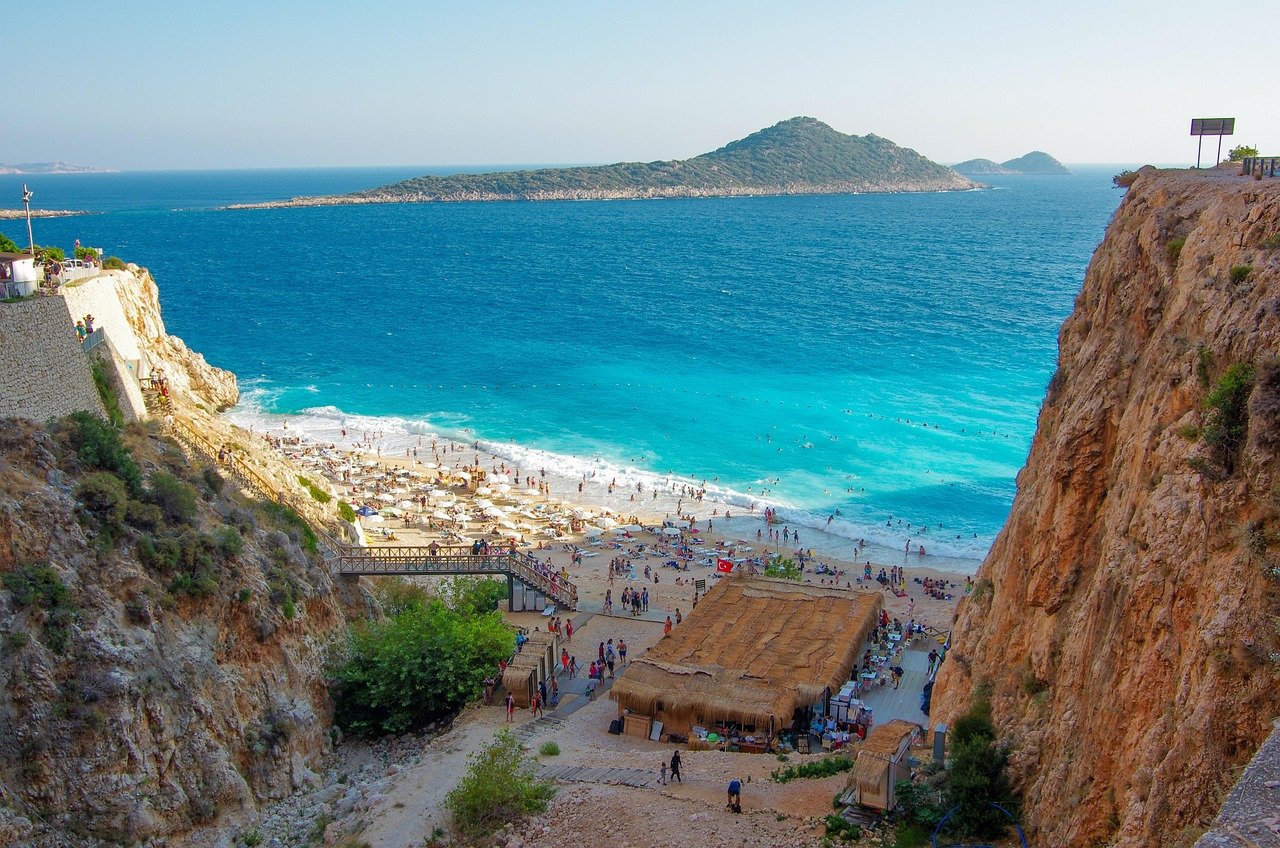
Konyaaltı Beach: Public. Free. Long stretch of pebbles (bring water shoes—I didn’t and regretted it) with mountain views that look fake they’re so dramatic. The water is that aggressive shade of blue-green that makes you question if anyone edited reality. Beach clubs charge for loungers, but you can bring your own towel and post up for nothing.
Mermerli Beach: Tiny beach accessed through a restaurant in Kaleiçi. You’re supposed to order something, but a Coke costs €2 and buys you access to a gorgeous little cove. Fair trade.
Historical Sites
Hadrian’s Gate: Free. Stunning Roman triumphal arch from 130 AD right in the middle of the city. I walked through it approximately seventeen times because it felt important.
Kaleiçi Old Town: Wandering the narrow streets is free and genuinely enchanting. Ottoman-era houses with wooden balconies, hidden courtyards, cats everywhere, the smell of jasmine mixed with coffee. Get lost on purpose.
Karaalioglu Park: Free. Clifftop park overlooking the Mediterranean with shade, benches, and sunset views that cost exactly zero lira but feel priceless.
Budget-Friendly Paid Attractions
Antalya Archaeological Museum: About €5 entry. One of Turkey’s best museums, packed with artifacts from the region’s Greek, Roman, and Byzantine past. Air-conditioned refuge on hot days.
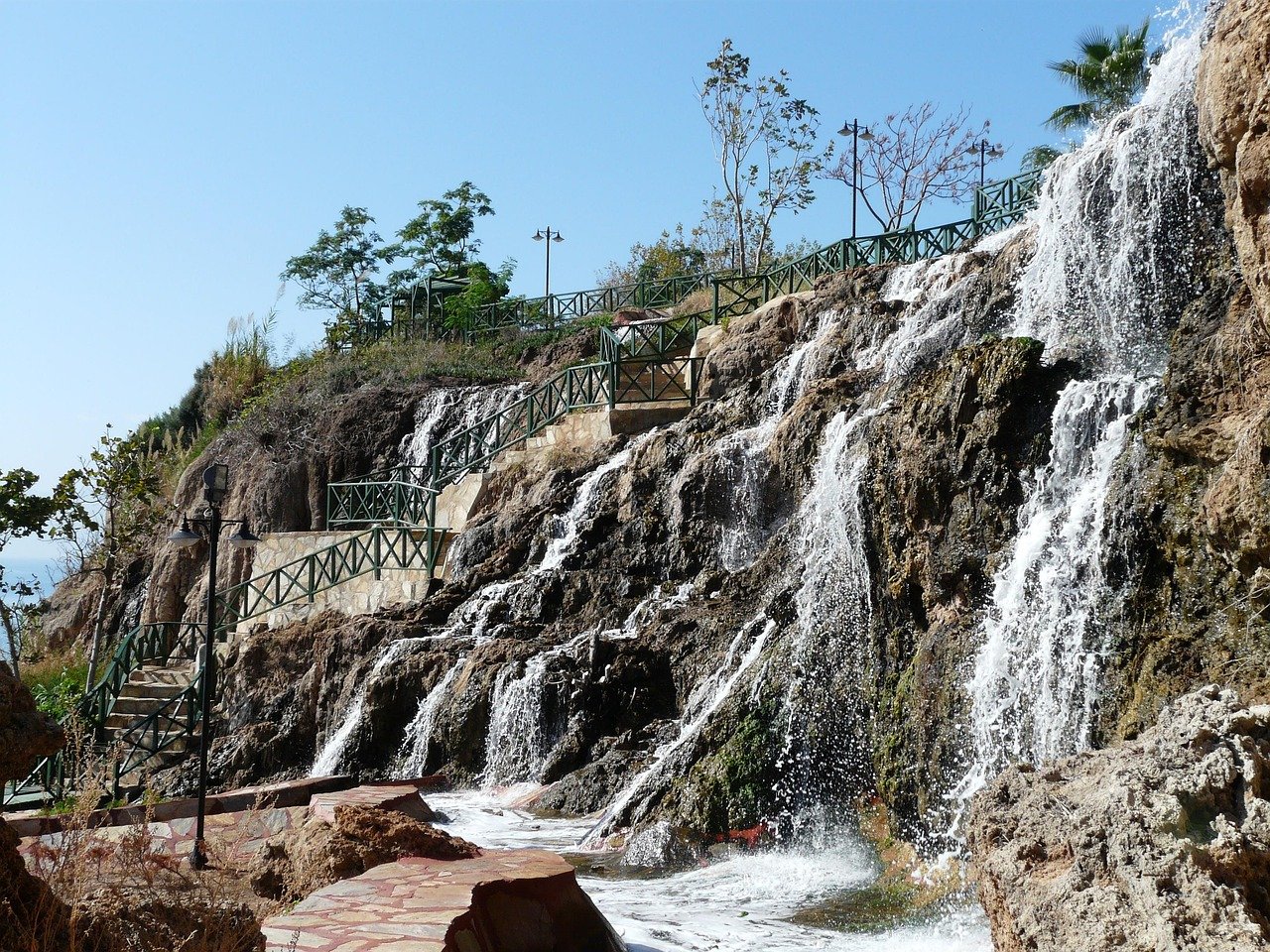
Düden Waterfalls: Lower Düden is free (and spectacular—waterfalls plunging directly into the sea). Upper Düden charges a small entrance fee (€2-3) but has parks and picnic areas.
Cable Car (Teleferik): Around €8 roundtrip to ride up Tunektepe Mountain. Worth it for panoramic views of the entire coastline. Go at sunset if you’re feeling romantic or Instagram-motivated.
Day Trips from Antalya on a Budget
The region around Antalya is stuffed with ancient cities and natural wonders. You don’t need to book expensive tours.
Perge, Aspendos, and Side
Take local dolmuş (minibuses) to these ancient sites. Aspendos has one of the world’s best-preserved Roman theaters—costs about €8 to enter but worth every cent. The acoustics are so perfect they still host concerts.
Side is a coastal town with ruins scattered everywhere, including a temple to Apollo right on the waterfront. You can visit for just the bus fare (€5-7 each way) and entrance fees (€5-8 per site).
Olympos and Çıralı
Beach town with ruins and the eternal flames of Chimaera (natural gas seeping through rocks and burning continuously). Take a bus to Çıralı (€5-8), hike up to the flames (small entrance fee), swim at the excellent beach for free.
Saklıkent Gorge
Nature reserve with canyon walks and icy mountain streams. Bus to Korkuteli then local transport (total €8-10). Entrance fee around €3. Bring water shoes.
Skip the organized day tour companies charging €50-80. Public transport requires more planning but saves you massive amounts of money.
Transportation Around Antalya
The tram system is modern, air-conditioned, and costs about €0.50 per ride. Buy an AntkartPlus card (rechargeable transit card) at any kiosk. Covers most tourist areas along the coast.
Dolmuş minibuses go everywhere the tram doesn’t. They’re cheap (€1-2), frequent, and operate on somewhat mysterious routes that locals understand intuitively but tourists must decode like ancient scripts. Just ask someone—Turks are generally helpful and will point you in the right direction.
Walking is genuinely pleasant in Kaleiçi and along Konyaaltı Beach promenade. Antalya is more walkable than many Turkish cities.
Taxis exist but negotiate fare before getting in or insist on the meter. Ride-sharing apps like Uber and BiTaksi work in Antalya but availability varies.
Money-Saving Tips and Local Hacks
- Learn basic Turkish phrases. “Teşekkürler” (thank you), “Ne kadar?” (how much?), “Çok pahalı” (too expensive) go surprisingly far. Turks appreciate the effort even if your pronunciation is terrible.
- Haggle gently at markets and carpet shops. It’s expected. Be friendly, smile, walk away if needed. You’ll usually meet somewhere reasonable.
- Drink tap water carefully. It’s technically safe but might upset sensitive stomachs. Five-liter bottles of water cost about €1 at supermarkets. Way cheaper than buying small bottles constantly.
- Use ATMs wisely. Withdraw larger amounts less frequently to minimize fees. Look for bank ATMs (Garanti, İş Bankası) rather than standalone machines in tourist areas.
- Get a local SIM card. Tourist SIM packages with data cost €10-20 for a week or two. Useful for maps, translation apps, and finding those hidden local restaurants.
- Visit on weekdays. Some attractions and restaurants offer weekday discounts. Beaches are less crowded too.
- Picnic lunches. Seriously. Assemble bread, cheese, tomatoes, olives from a supermarket. Eat in a park with a view. Costs about €3 and tastes better than half the restaurants.
What to Skip (Honest Take)
Look, not everything in Antalya is budget-friendly or worth your time.
All-inclusive resorts: Unless you scored an absurd package deal, these lock you away from the actual city and local culture. You’re in Turkey but might as well be in Florida.
Overpriced boat tours: The harbor is full of guys hawking sunset cruises for €40-50 per person. The public beaches offer better sunset views for free. If you must do a boat trip, research beforehand and book directly.
Tourist trap restaurants: I mentioned this earlier but it bears repeating. That place with the rooftop and the view and the menu in seven languages? It’s charging double what locals pay two blocks away.
Overpriced “experiences”: Turkish bath experiences in tourist zones can cost €50-100. Local hamams charge €15-20 for the same thing with less English spoken but more authenticity.
Sample Budget Breakdown for Antalya
Here’s what a day in Antalya might cost if you’re being sensible but not miserable:
| Expense | Cost (EUR) |
|---|---|
| Accommodation (budget pension, per night) | €20-30 |
| Breakfast (included with accommodation) | €0 |
| Lunch (street food or lokanta) | €4-6 |
| Dinner (local restaurant) | €8-12 |
| Snacks, coffee, tea throughout day | €3-5 |
| Public transport (tram, dolmuş) | €2-4 |
| Attraction entry (museum or paid site) | €5-8 |
| Daily Total | €42-65 |
That’s roughly €300-450 per week, not including your flight. Very doable. If you’re traveling with someone and splitting accommodation, even cheaper.
Final Thoughts (Because Apparently I Have Them)
Antalya surprised me. I expected a typical Mediterranean resort town—pretty but soulless, expensive, designed for package tourists who never venture beyond the hotel pool. Instead, I found a city that feels lived-in and real, where you can eat extremely well for very little money, where ancient Roman gates sit next to modern tram stops, where locals actually seem to enjoy their city and don’t just tolerate tourists.
The budget travel experience here isn’t about suffering through hostels with questionable plumbing or eating instant noodles in your room. It’s about making smarter choices—staying in that family pension instead of the international chain, eating where locals eat, using public transport, being flexible with timing.
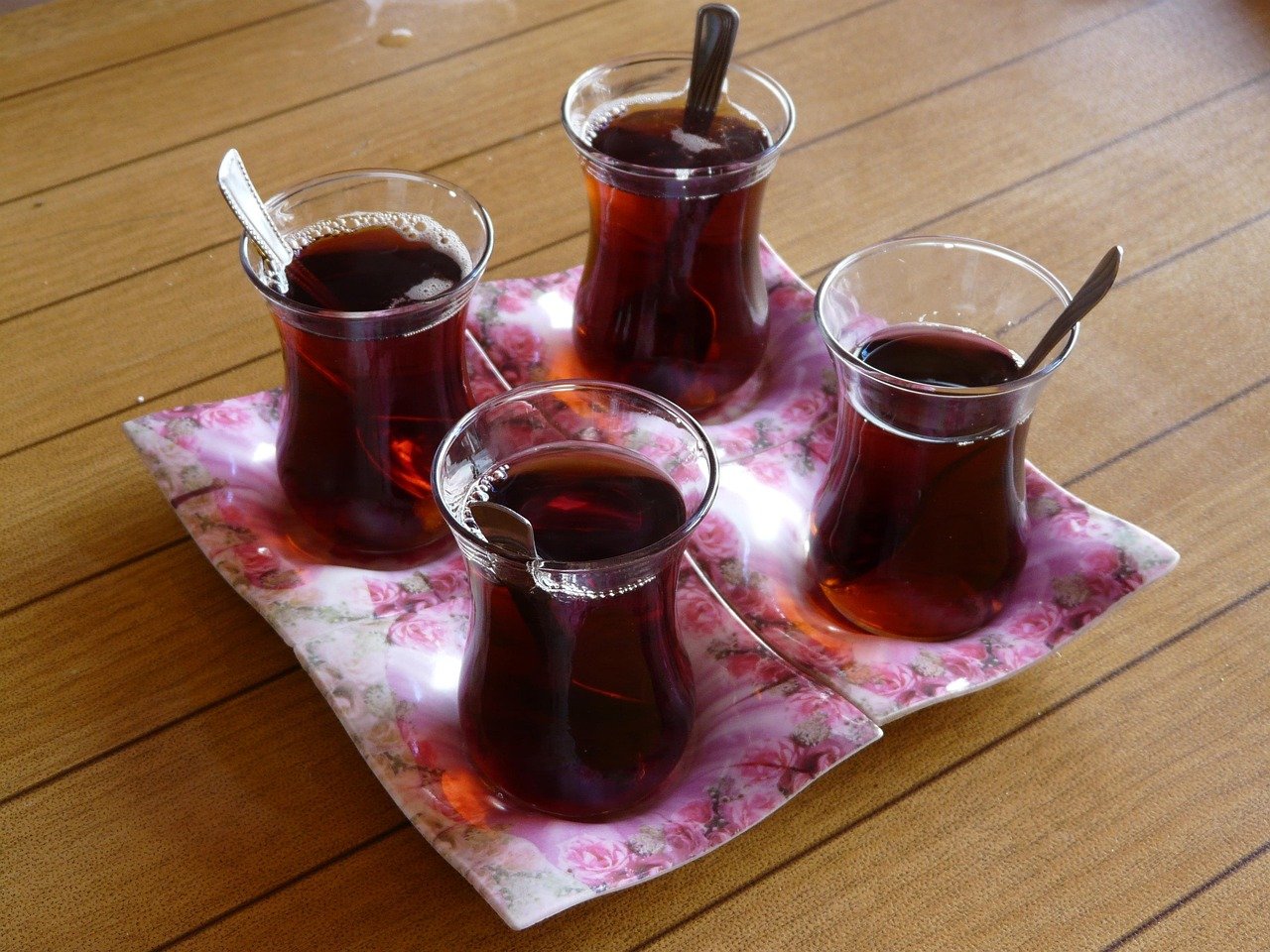
I spent seven days in Antalya and probably averaged €50 per day including accommodation. I didn’t feel like I was scrimping. I ate incredibly well. I swam in that ridiculously blue Mediterranean water. I wandered through ruins that were standing when my ancestors were still figuring out basic agriculture. I drank Turkish tea with men who argued loudly about football but insisted on buying me another round.
Could I have done it for less? Absolutely. Could I have spent way more? Embarrassingly easily. But this felt like the sweet spot—comfortable enough to actually enjoy myself, cheap enough that I wasn’t mentally calculating exchange rates every five minutes.
If you’re considering Antalya but worried about costs, perhap just go. Book a shoulder season flight, find a pension in Kaleiçi, and figure the rest out when you arrive. The city rewards spontaneity and punishes over-planning. Some of my best moments came from getting lost in the old town and stumbling into a courtyard restaurant where I was the only foreigner and everyone was very concerned about whether I was eating enough bread.
That’s Antalya. Accessible, beautiful, surprisingly affordable if you approach it right. Worth every carefully budgeted euro.
Top Travel Resources and Recommendations for Visiting Antalya
Expert advice on traveling to and around Turkey by train and bus, including detailed routes and budget transportation options.
Find free hiking trails around Antalya including paths to Düden Waterfalls and coastal walks with downloadable offline maps.
Antalya Airport Official Website
Official airport information including terminal maps, transport options, and real-time flight updates for arrival planning.
If you decide to rent a car for day trips (split costs with travel companions for better value), compare rates for regional exploration.
Connect with local hosts in Antalya for free accommodation or meetups, plus insider tips from people who actually live there.
Frequently Asked Questions About Visiting Antalya on a Budget
How much money do I need per day in Antalya?
Answer: Budget travelers can comfortably visit Antalya for €40-65 per day including accommodation, food, local transport, and one attraction. This assumes staying in budget pensions, eating at local restaurants, and using public transportation. Backpackers staying in hostels and self-catering can do it for €25-35 per day, while mid-range travelers should budget €70-100 daily.
What is the cheapest month to visit Antalya?
Answer: November through March offers the lowest prices for flights and accommodation in Antalya, with rates 50-70% cheaper than summer peak season. However, the best value considering weather and prices is April-May or September-October when you get pleasant temperatures, warm sea, and shoulder-season pricing without the winter trade-offs.
Is Antalya cheaper than other Turkish destinations?
Answer: Antalya is moderately priced compared to other Turkish cities. It’s more expensive than inland cities like Konya or Kayseri but cheaper than Istanbul. Bodrum and Çeşme on the Aegean coast tend to be pricier. The key is avoiding Antalya’s resort areas and staying in the old town or local neighborhoods where prices reflect local rather than tourist economics.
Can you visit Antalya’s beaches for free?
Answer: Yes, public beaches like Konyaaltı Beach are completely free to access. You can bring your own towel and swim without paying anything. Beach clubs charge for loungers and umbrellas (€10-20 per day) but you’re not required to use them. Mermerli Beach in Kaleiçi requires ordering something from the adjacent restaurant (a drink costs €2-3) for beach access.
How much does food cost in Antalya?
Answer: Authentic local meals at lokantas cost €3-6 for a full plate. Street food like gözleme costs €2-3, döner kebabs €3-5, and simit bread rings about €0.50. A sit-down dinner at a neighborhood restaurant runs €8-15 per person with drinks. Tourist-oriented restaurants in Kaleiçi’s main squares charge double these prices for comparable or inferior food.
What free things can you do in Antalya?
Answer: Antalya offers numerous free activities including walking through Kaleiçi old town, visiting Hadrian’s Gate, relaxing at Konyaaltı public beach, exploring Karaalioglu Park, watching sunset from the old harbor, wandering the weekly markets, and viewing Lower Düden Waterfalls. The clifftop promenade along Atatürk Boulevard provides spectacular Mediterranean views at no cost.
Is public transportation good in Antalya?
Answer: Yes, Antalya’s public transport is excellent and affordable. The AntRay tram system is modern, air-conditioned, and costs about €0.50 per ride covering major tourist areas. Dolmuş minibuses fill gaps in the tram network for €1-2. Purchase an AntkartPlus card at kiosks for easy payment. The system is significantly cheaper than taxis and covers most places tourists need to go.
How much does it cost to visit ancient sites near Antalya?
Answer: Major archaeological sites like Aspendos, Perge, and Termessos charge €5-8 entrance fees. Side’s ruins are partially free to explore as they’re integrated into the town. Transportation to these sites via public dolmuş buses costs €5-10 roundtrip. Organized day tours cost €40-80 but you can visit independently for under €20 total including transport and admission.
Should I exchange money before arriving in Antalya?
Answer: No, you’ll get better rates using ATMs in Antalya to withdraw Turkish Lira directly. Airport exchange bureaus offer poor rates. Major bank ATMs (Garanti, İş Bankası, Akbank) in the city provide fair exchange rates with reasonable fees. Withdraw larger amounts less frequently to minimize transaction fees. Avoid currency exchange offices in tourist zones as they charge higher commissions.
What’s the best budget accommodation area in Antalya?
Answer: Kaleiçi old town offers the best budget accommodation value with family-run pensions charging €15-30 per night including breakfast. You’re walking distance to beaches, restaurants, and attractions. Areas around Konyaaltı Beach have budget hotels with local character. Avoid Lara Beach and Belek which cater to all-inclusive resort guests with inflated prices and limited local dining options.
Can you drink tap water in Antalya?
Answer: Tap water in Antalya is technically safe but may cause stomach upset for visitors unused to local water. Most budget travelers buy large 5-liter bottles from supermarkets for about €1 rather than expensive small bottles from tourist shops. Hotels and pensions often provide drinking water. Brushing teeth with tap water is generally fine but drinking bottled water is safer and cheap.
How much should I budget for a week in Antalya?
Answer: A realistic weekly budget for Antalya ranges from €300-450 for budget travelers (€40-65 daily) not including flights. This covers decent accommodation, three meals daily at local spots, public transport, and entry to several attractions. Ultra-budget backpackers can manage on €180-250 weekly, while comfort-seekers should budget €500-700 for more flexibility with dining and accommodation choices.
Is Antalya safe for solo budget travelers?
Answer: Yes, Antalya is very safe for solo budget travelers including women traveling alone. Tourist areas are well-policed and locals are generally helpful. Standard precautions apply: watch belongings in crowded areas, avoid isolated spots late at night, and be wary of overly friendly strangers offering deals. Budget accommodations in Kaleiçi are safe and pension owners often look after solo guests.
Do I need to tip in Antalya restaurants?
Answer: Tipping in Antalya is appreciated but not mandatory. At budget lokantas and street food stalls, tipping isn’t expected. At sit-down restaurants, leaving 5-10% is customary if service was good. Round up taxi fares to the nearest lira. Hotel housekeeping appreciates €1-2 per day. Don’t feel pressured to tip at tourist restaurants that already include service charges.
What should I avoid doing in Antalya to save money?
Answer: Avoid restaurants with multilingual picture menus on main tourist streets, organized tour packages (use public transport instead), buying water at tourist shops (get large bottles from supermarkets), taking taxis without negotiating first, and visiting during July-August peak season. Skip overpriced boat tours from the harbor and all-inclusive resorts that disconnect you from affordable local culture and dining.
Meta Description
Discover how to visit Antalya on a budget with this complete guide. Find cheap accommodation, affordable food, free attractions, and money-saving tips for Turkey’s coast.
Keywords Used in This Article
Main Keyword:visit Antalya on a budget
Secondary Keywords:cheap Antalya travel Antalya budget guide affordable Antalya trip budget accommodation Antalya Antalya free attractions cheap food Antalya Antalya public transport Antalya shoulder season budget beach vacation Turkey Antalya day trips budget Kaleici budget stay cheap flights to Antalya Antalya backpacking Turkey Mediterranean budget travel
Meta-search engine for finding cheap flights to Antalya Airport. Set price alerts and be flexible with dates for the best deals.
Best platform for finding budget hotels and pensions in Antalya, with detailed reviews and flexible cancellation policies.
Leading resource for hostels in Antalya’s Kaleiçi district, ideal for solo travelers and backpackers on tight budgets.
Find entire apartments or private rooms in local neighborhoods, often cheaper than hotels for groups or longer stays.
Invaluable for planning overland travel and day trips from Antalya using buses, trams, and local transport options.
Antalya Public Transport (AntkartPlus)
Official tram and bus system website with routes and fare information for budget-friendly city navigation.
Reliable intercity bus operator for traveling to Antalya from other Turkish cities, comfortable and affordable alternative to flying.
Compare prices for day trips and tours from Antalya, though often cheaper to arrange transport independently.
Essential for tracking Turkish Lira exchange rates and managing your budget while traveling in Antalya.
Read authentic reviews of restaurants, attractions, and accommodations to avoid tourist traps and find local favorites.
Comprehensive travel guide with up-to-date practical information, maps, and budget travel advice for Antalya.
Download Antalya maps offline before arrival to navigate without using data and find walking routes to free attractions.
Major Turkish mobile provider offering tourist SIM packages with data for staying connected without expensive roaming fees.
Community-edited travel guide with practical tips, budget accommodation listings, and transportation details updated by travelers.
Get better exchange rates when withdrawing Turkish Lira from ATMs compared to traditional banks and credit cards.