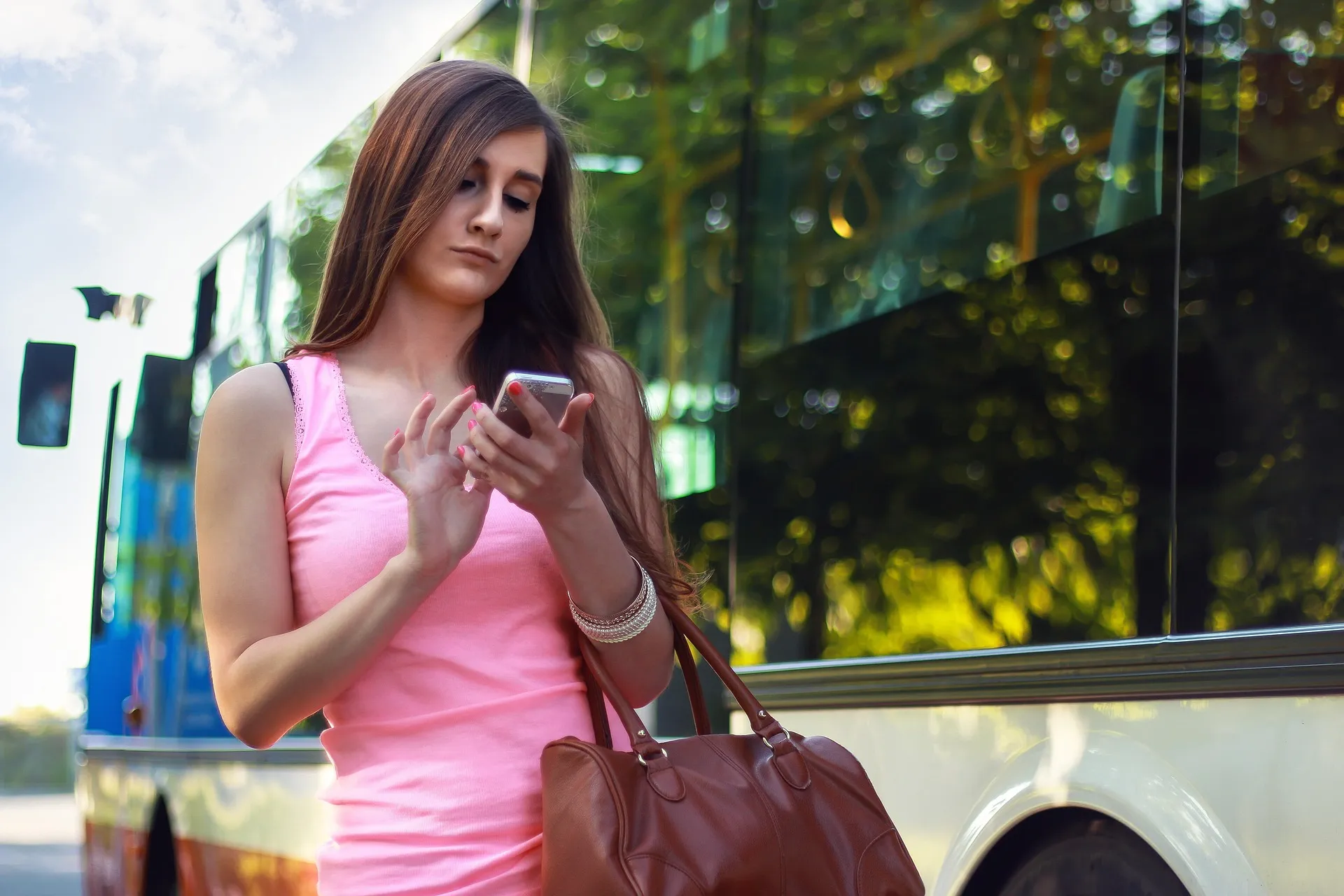

Here’s the thing about being a woman who travels alone—everyone suddenly becomes your unofficial safety advisor. Your aunt forwards you articles about petty theft in Paris. Your coworker tells you about their friend’s cousin who “had a bad experience” somewhere vague. And don’t even get me started on the comments section of literally any solo female travel blog post.
I get it. People mean well. But somewhere along the way, we’ve collectively decided that women traveling solo need to be wrapped in bubble wrap and shipped with a GPS tracker. The conversation around solo female travel has become so saturated with fear that we’ve forgotten something crucial: millions of women do this every single year, and most of us come home with nothing more dramatic than a sunburn and a camera roll full of mediocre sunset photos.
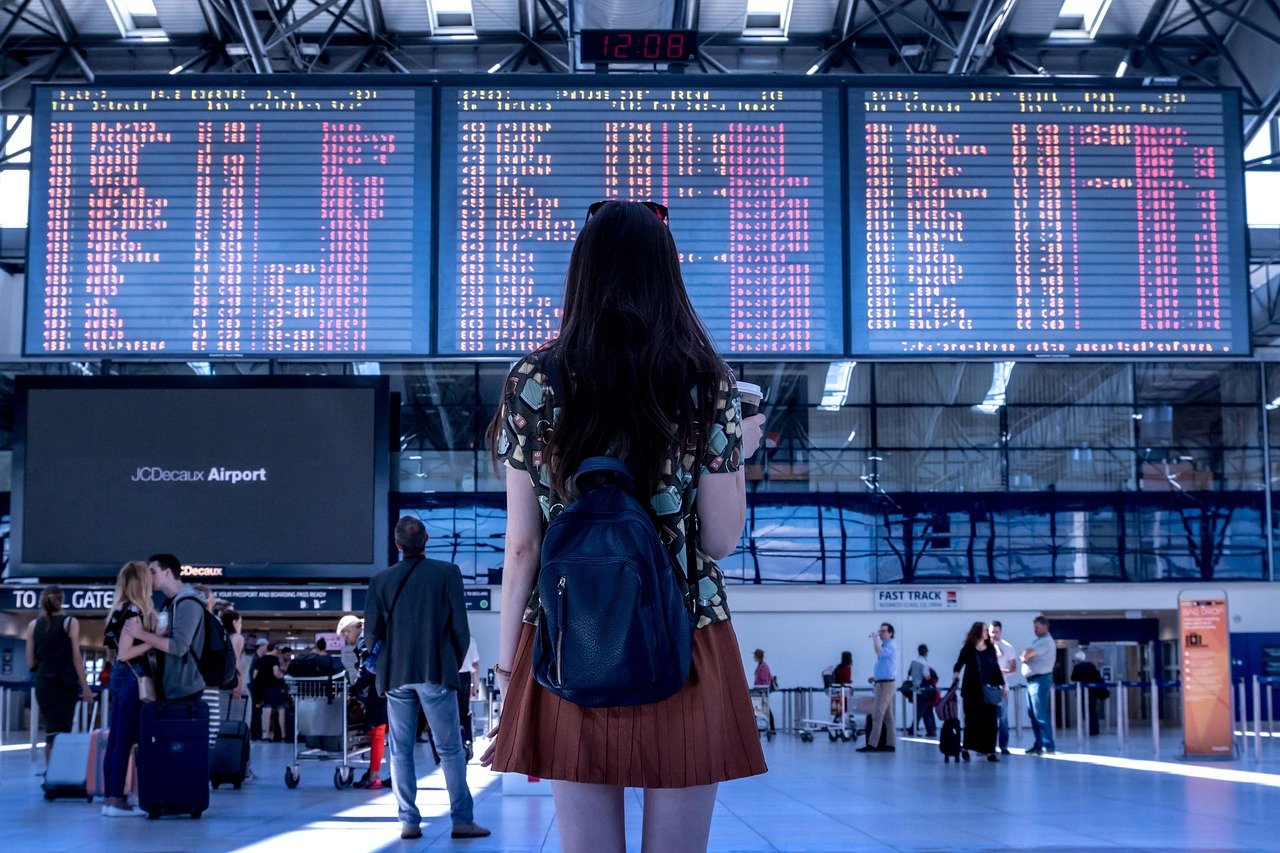
The Reality Check Nobody’s Talking About
Let’s start with some actual data instead of your neighbor’s opinion. According to recent solo female travel surveys, around 66-70% of women worry about personal safety when traveling alone. That sounds alarming until you realize something: 77% of women with fewer than six solo trips worry about safety, but that number drops to 55% for those who’ve done it more than ten times.
What does that tell us? The fear is largely in our heads, perpetuated by inexperience and overexposure to worst-case scenarios. Once women actually start traveling solo, they realize the world isn’t quite the horror movie they were promised.
I’m not saying dangers don’t exist. Of course they do—just like they exist in your hometown, at your local grocery store, or on your morning commute. But we’ve somehow normalized the risks of everyday life while catastrophizing the risks of travel. That’s not safety consciousness; that’s selective anxiety.
Why We Need to Reframe the Conversation
The obsession with safety stereotypes doesn’t just make women nervous—it actively holds us back from incredible experiences. When every conversation about solo female travel starts and ends with “but is it safe?”, we’re sending a message that women’s default state should be fearful, dependent, and risk-averse.
Think about it. When was the last time you heard someone ask a solo male traveler if they felt safe going to Thailand? Or whether they’d researched the crime statistics in Barcelona? Right. Because we’ve normalized independence for men while pathologizing it for women.
What the Numbers Actually Show
Research shows that women outnumber men in solo travel by a significant margin—67% to 37% in some studies. And the reasons women travel solo aren’t about desperation or recklessness. According to survey data, the top motivations are freedom and flexibility (87%), escaping routine (83%), self-care (79%), and personal challenge (74%).
That’s right—women aren’t traveling solo because they couldn’t find anyone to go with them (though 53% do cite that). They’re doing it because they want to. Because they’re curious, capable, and tired of waiting for permission slips from the universe.
The Actual Risks (And How to Manage Them)
Okay, let’s talk about the elephant in the room. Yes, women face specific challenges when traveling. Street harassment exists. Cultural expectations around dress and behavior vary wildly. Some destinations are genuinely more restrictive or dangerous for women than others.
But here’s what’s interesting: the solutions aren’t rocket science. They’re common sense strategies that most women already use in their daily lives, just applied to a new context.
Smart Strategies That Actually Work
- Research destinations with women in mind. Look at the Solo Female Travel Safety Index which compiles data on attitudes toward women, crime rates, and healthcare access by country.
- Stay connected. Share your itinerary with someone back home. Use apps like WhatsApp or location sharing—not because you’re in danger, but because it’s smart logistics.
- Trust your gut. If something feels off, it probably is. This isn’t paranoia; it’s listening to your intuition.
- Choose accommodations wisely. Stay in well-reviewed places with 24-hour reception. Some hotels now offer women-only floors or enhanced security features.
- Pack practical safety items. Not pepper spray necessarily (it’s illegal in many countries), but things like door stoppers, portable alarms, and anti-theft bags.
The data shows only 7% of solo female travelers carry regulated safety devices. Most women rely on awareness, preparation, and adapting to local customs. And guess what? It works.
The Countries Getting It Right
According to traveler surveys and safety indices, certain destinations consistently rank high for solo female travel. The UK, Spain, Italy, Thailand, and Portugal top most lists. In Europe specifically, countries like Norway, Denmark, and Iceland score exceptionally well for safety, infrastructure, and attitudes toward women.
But perhap more interestingly, destinations like Japan, Singapore, and New Zealand combine excellent safety records with vibrant travel cultures. Japan, in particular, has seen a surge in solo female travelers drawn to its impeccable public transportation, low crime rates, and respectful culture—even with potential language barriers.
The Surprise Contenders
Some places surprise people. The UAE, particularly Dubai and Abu Dhabi, ranks as one of the safest destinations for solo female travelers despite stereotypes about the Middle East. Crime rates are extremely low, infrastructure is world-class, and women report feeling comfortable exploring alone—with appropriate cultural awareness about dress codes in certain areas.
Costa Rica has become a haven for solo female adventure travelers. The country’s “pura vida” ethos, combined with well-established tourism infrastructure and stunning natural beauty, makes it ideal for women seeking both adventure and safety.
What Needs to Change
The travel industry has been slow to catch up with the reality of solo female travelers. Only 18% of corporate travel policies specifically address women’s safety needs, according to industry surveys. That’s absurd when you consider that women make 70% of travel bookings—for themselves, their families, their colleagues.
We need better resources, sure. But more than that, we need a cultural shift. We need to stop treating solo female travel as an aberration that requires justification. We need to celebrate women’s independence rather than question it. And we need to redirect our energy from hand-wringing to actual, practical support.
The Business Travel Blind Spot
Here’s something that doesn’t get enough attention: 71% of female business travelers say traveling for work as a woman is less safe than traveling as a man. Yet companies rarely provide gender-specific safety protocols or support. We’re sending women around the world for work, then shrugging when they express concerns.
Better policies would include: choosing accommodation near work locations, avoiding late-night travel arrangements, providing reliable local transportation options, and offering destination-specific cultural briefings. Not complicated stuff, but it requires acknowledging that gender does impact travel experience.
My Perspective (For What It’s Worth)
I think the real issue isn’t safety—it’s control. Society is uncomfortable with women who remove themselves from conventional oversight. Solo female travel represents autonomy, self-reliance, and the audacity to prioritize personal growth over societal comfort. That makes people squirm.
The safety concerns, while sometimes legitimate, often function as a socially acceptable way to express discomfort with female independence. It’s concern-trolling dressed up as protection. And women have internalized this narrative so deeply that we sometimes police ourselves more harshly than anyone else would.
But here’s what I’ve learned from talking to hundreds of solo female travelers: once you actually do it, once you navigate a foreign city on your own and realize you didn’t immediately combust, something shifts. You start trusting yourself more. You stop seeking permission. You realize that competence, not gender, determines travel success.
The Bottom Line
Solo female travel isn’t inherently more dangerous than any other form of travel. It requires preparation, awareness, and common sense—the same skills women use to navigate the world every single day. The difference is that when we travel, those skills are suddenly scrutinized, questioned, and pathologized.
The best thing we can do is shift the narrative. Stop starting every conversation about solo female travel with warnings. Stop treating women’s independence as something that needs to be justified. And stop pretending that staying home is somehow safer than exploring the world with eyes wide open.
Millions of women are out there right now, traveling solo, having incredible experiences, and coming home safely. They’re not special or superhuman. They’re just women who decided the world was worth seeing and didn’t wait for an escort to see it.
Maybe it’s time we stop asking “but is it safe?” and start asking “what took you so long?”
Top Products & Resources for Solo Female Travelers
1. Booking.com
Comprehensive accommodation platform with verified reviews and flexible cancellation policies, ideal for planning solo trips with confidence.
2. Hostelworld
The go-to platform for finding social accommodations with women-only dorms and verified guest reviews from solo travelers.
3. World Nomads Travel Insurance
Flexible travel insurance designed for independent travelers with coverage for adventure activities and emergency medical needs.
Specialized travel bags with slash-resistant fabric and lockable zippers, offering practical security for urban exploration.
Local-hosted activities and tours perfect for meeting people and exploring destinations with insider knowledge and built-in social opportunities.
6. Rome2Rio
Multi-modal transport planning tool that shows how to get anywhere in the world using planes, trains, buses, and ferries with cost comparisons.
7. Meetup
Social networking platform for finding local events and groups in your destination, perfect for connecting with like-minded travelers and locals.
Small group adventure tours specifically designed for solo travelers, with no single supplements and guaranteed departures.
9. The Broke Backpacker Solo Female Travel Guide
Comprehensive free resource with destination guides, safety tips, and budget advice specifically for women traveling independently.
10. Viator Tours
Extensive tour and activity platform with verified reviews, making it easy to book group experiences and meet fellow travelers safely.
Essential navigation tool that allows downloading maps for offline use, helping you navigate confidently without data or WiFi connection.
12. Flash Pack
Tour company specializing in adventure trips for solo travelers in their 30s and 40s, with carefully curated experiences and built-in social elements.
13. Couchsurfing
Community platform for staying with locals, attending meetups, and connecting with travelers—great for authentic cultural exchange and making friends.
14. Skyscanner
Flight comparison tool that searches across airlines and booking platforms to find the best deals, with flexible date options perfect for solo travelers.
Dedicated online magazine and community featuring destination guides, travel statistics, and resources specifically for independent travelers.
16. Nalgene Reusable Water Bottles
Durable, leakproof water bottles perfect for staying hydrated on the go—55% of solo female travelers pack reusable bottles for sustainability.
17. Anker Portable Power Banks
Essential for keeping devices charged while traveling—66% of solo travelers carry power banks to stay connected and safe throughout the day.
Trusted travel guides with detailed destination information, practical advice, and insider tips from experienced travel writers and researchers.
19. Explorer Chick
All-women tour company offering adventure trips designed specifically for solo female travelers seeking outdoor experiences in small group settings.
Social networking app connecting female travelers worldwide, featuring safety resources, destination reviews, and community support for women on the road.
Frequently Asked Questions About Solo Female Travel
Is solo female travel actually safe, or is it just marketed that way?
Answer: Solo female travel is generally safe when approached with common sense and preparation. Statistics show that 66% of women worry about safety before their first trips, but this drops to 55% after gaining experience. Most safety concerns stem from unfamiliarity rather than actual danger, and millions of women travel solo successfully each year using basic precautions.
What are the biggest obstacles women face when traveling solo?
Answer: According to surveys, the top obstacles are higher costs without someone to split expenses (65%), personal safety concerns (61%), not having someone to share experiences with, and fear of getting lost. Interestingly, these concerns decrease significantly with experience, suggesting many are psychological rather than practical barriers.
Which destinations are safest for first-time solo female travelers?
Answer: The UK, Spain, Italy, Portugal, and Thailand consistently rank highest for solo female travelers. Nordic countries like Norway, Denmark, and Iceland score exceptionally well for safety and infrastructure. Japan, Singapore, New Zealand, and Canada are also excellent choices with low crime rates, reliable public transport, and welcoming cultures.
How do I deal with loneliness when traveling alone?
Answer: Stay in hostels or accommodations with communal spaces, join group tours or activities, use apps like Meetup or Couchsurfing to connect with locals and travelers, and remember that 45% of solo travelers are motivated specifically by the desire to connect with other cultures and people. Many travelers report that solo travel actually increases social connections.
What safety measures do most solo female travelers actually use?
Answer: Most women inform friends and family of their plans, research destinations in advance, avoid going out alone at night in unfamiliar areas, stay in well-reviewed accommodations, and trust their intuition. Only 7% carry regulated safety devices like pepper spray, while anti-theft bags, door stoppers, and location-sharing apps are more common practical measures.
How much does solo travel typically cost compared to traveling with others?
Answer: Solo travel costs more per person since you can’t split accommodation, transportation, or meal costs. However, you also have complete control over your budget and can choose hostels, local eateries, and free activities. Many solo travelers offset costs through work exchanges, home swaps, or by traveling to affordable destinations like Southeast Asia or Eastern Europe.
Do I need to join a women-only tour group, or can I travel completely independently?
Answer: Neither option is inherently better—it depends on your comfort level and travel style. About 14% of solo female travelers join women-only group trips, while the majority travel completely independently. Group tours offer built-in social connections and logistical support, while independent travel provides maximum flexibility and authentic local experiences.
What’s the best way to meet other travelers when you’re solo?
Answer: Stay in social accommodations like hostels, join free walking tours, take cooking or activity classes, use apps like Meetup or Bumble BFF, sit at restaurant bars rather than tables, and participate in hostel events. Many solo travelers report that being alone actually makes them more approachable and open to connections than when traveling with companions.
Should I avoid certain countries or regions entirely as a solo female traveler?
Answer: Rather than avoiding entire regions, research specific destinations within countries. North Africa and the Middle East have varying levels of restrictions and safety for women, with countries like UAE being very safe while others impose significant limitations. Always check current travel advisories, cultural customs, and recent traveler reviews specific to female experiences.
How do I handle cultural differences regarding dress codes and behavior?
Answer: Research local customs before arrival, observe how local women dress and behave, pack modest clothing options, and be willing to adapt your behavior to show cultural respect. This doesn’t mean compromising your values, but acknowledging that different cultures have different norms. When in doubt, err on the side of modesty and respect.
Is it weird to eat alone at restaurants while traveling?
Answer: Absolutely not, though it might feel awkward initially. Many cultures, particularly in Europe, have no stigma around solo dining. Sit at the bar for a more social experience, bring a book or journal, and remember that you’re likely more self-conscious about it than anyone else is. Solo dining becomes easier and more enjoyable with practice.
What essential items should every solo female traveler pack?
Answer: Power banks (66% of solo travelers carry them), reusable water bottles (55%), anti-theft bags with lockable zippers, door stoppers or portable locks, basic first aid supplies, copies of important documents stored separately, and local SIM card or international data plan. Personal alarms and location-sharing apps provide additional peace of mind.