
I know choosing just eleven cities out of the thousands scattered across this planet feels a bit like asking someone to pick their favorite child. But here’s the thing: some cities just have it. That indefinable magic that makes you want to cancel your flight home and figure out how to make rent work in a completely different time zone.
Look, I’ve made plenty of travel mistakes. Like that time in Barcelona when I confidently walked into what I thought was a tapas bar only to realize—twenty minutes and several confused glances later—that it was someone’s apartment building lobby. (The marble floors really threw me off, okay?) But those stumbles? They’re part of what makes city travel so bloody brilliant. Cities have personalities, mood swings, and secrets that only reveal themselves when you’re hopelessly lost at 2 AM looking for food.
So whether you’re the type who plans every museum visit down to the minute or someone who just shows up with a backpack and sees what happens, these eleven cities offer something genuinely special. Not just Instagram backdrops—though yes, those exist—but real experiences that stick with you long after you’ve washed that weird smell out of your travel jacket.
What Makes a City Worth Visiting?
Before we dive into the list, let me explain my completely subjective but thoroughly field-tested criteria. A great city needs more than just famous landmarks and decent coffee—though both certainly help.
First, there’s the vibe. Can you feel the city’s pulse when you step onto its streets? Does it have neighborhoods that feel lived-in rather than turned into theme parks for tourists? Second, the food scene matters. I’m not talking Michelin stars necessarily (though fine, those are nice), but rather: can you eat exceptionally well at 11 PM on a Tuesday without taking out a second mortgage?
Then there’s walkability, culture, a bit of grit mixed with beauty, and—this is crucial—local characters who make you feel like you’ve stumbled into a novel. The woman selling flowers who remembers you’re allergic to lilies. The bartender who draws you a map to the “real” jazz club on a napkin. That stuff.
The 11 Cities That Made the Cut
1. Kyoto, Japan
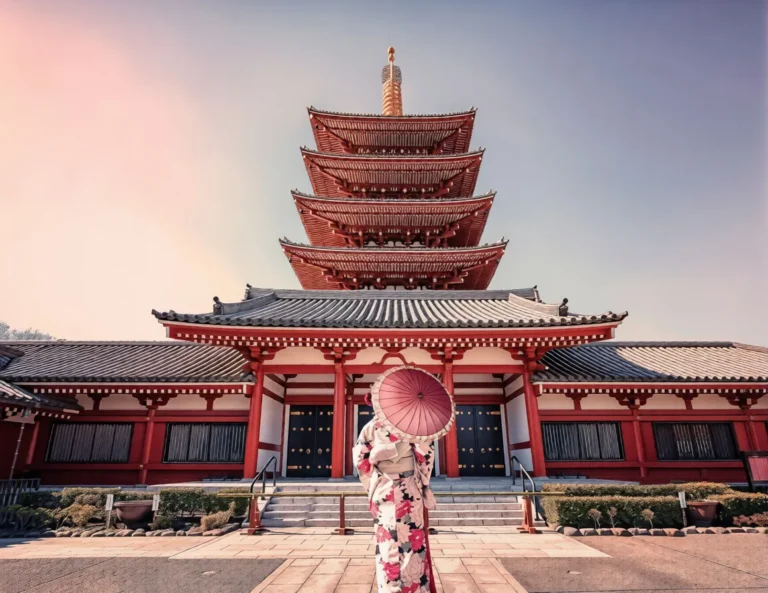
Kyoto doesn’t just have temples—it has seventeen UNESCO World Heritage sites. But what really gets me about this place is how it manages to feel both ancient and contemporary without that jarring disconnect you get in some cities. You’ll see a monk texting on his iPhone while sitting outside a 400-year-old shrine, and somehow it just… works.
The cherry blossoms in spring are absurdly beautiful, yes, but I’d argue that visiting during the rainy season (tsuyu) gives you a more authentic experience. Fewer crowds, misty temple gardens, and the sound of rain on traditional wooden roofs. Plus, the kaiseki dining scene here is unmatched—multi-course meals that look like edible art installations.
Getting lost in Gion district at dusk, maybe catching a glimpse of a geisha hurrying to an appointment, eating way too much matcha ice cream—Kyoto rewards wandering in a way few cities do.
2. Barcelona, Spain
Antoni Gaudí clearly had some vivid dreams, and then decided to turn them all into buildings. The result? A city that looks like it was designed by someone who thought straight lines were overrated. La Sagrada Família alone is worth the trip—a basilica that’s been under construction since 1882 and somehow still manages to take your breath away even surrounded by cranes and scaffolding.
But Barcelona isn’t just about Gaudí’s architectural fever dreams. The Gothic Quarter twists and turns like it’s actively trying to confuse you, which is exactly the point. The beach scene at Barceloneta brings the Mediterranean vibe, and Las Ramblas—touristy as hell, sure, but still entertaining—pulses with street performers and market stalls.
Late-night tapas crawls in El Born, vermut on Sunday afternoons, football culture that borders on religious—Barcelona understands that life should be savored, not rushed. Just, you know, watch your wallet. Pickpockets here have skills that’d make Fagin jealous.
3. Istanbul, Turkey
Where else can you literally stand on two continents in one morning? Istanbul sprawls across both Europe and Asia, separated by the Bosphorus strait, and that geographical quirk has shaped everything about this place. It’s where East meets West, where minarets share skylines with modern towers, where you’ll hear the call to prayer echoing while techno thumps from a nearby club.
The Topkapı Palace and Hagia Sophia are absolute musts—the latter having been a church, then a mosque, then a museum, and now a mosque again, which tells you everything about Istanbul’s layered history. The Grand Bazaar is overwhelming in the best way, with 4,000 shops selling everything from carpets to evil eye charms.
Turkish breakfast spreads are ridiculously generous, the tea culture is strong, and getting a proper hammam scrub (where someone essentially exfoliates your entire existence) is weirdly therapeutic. Istanbul earned its place on this list by being completely impossible to categorize—and that’s exactly why I love it.
4. New York City, USA
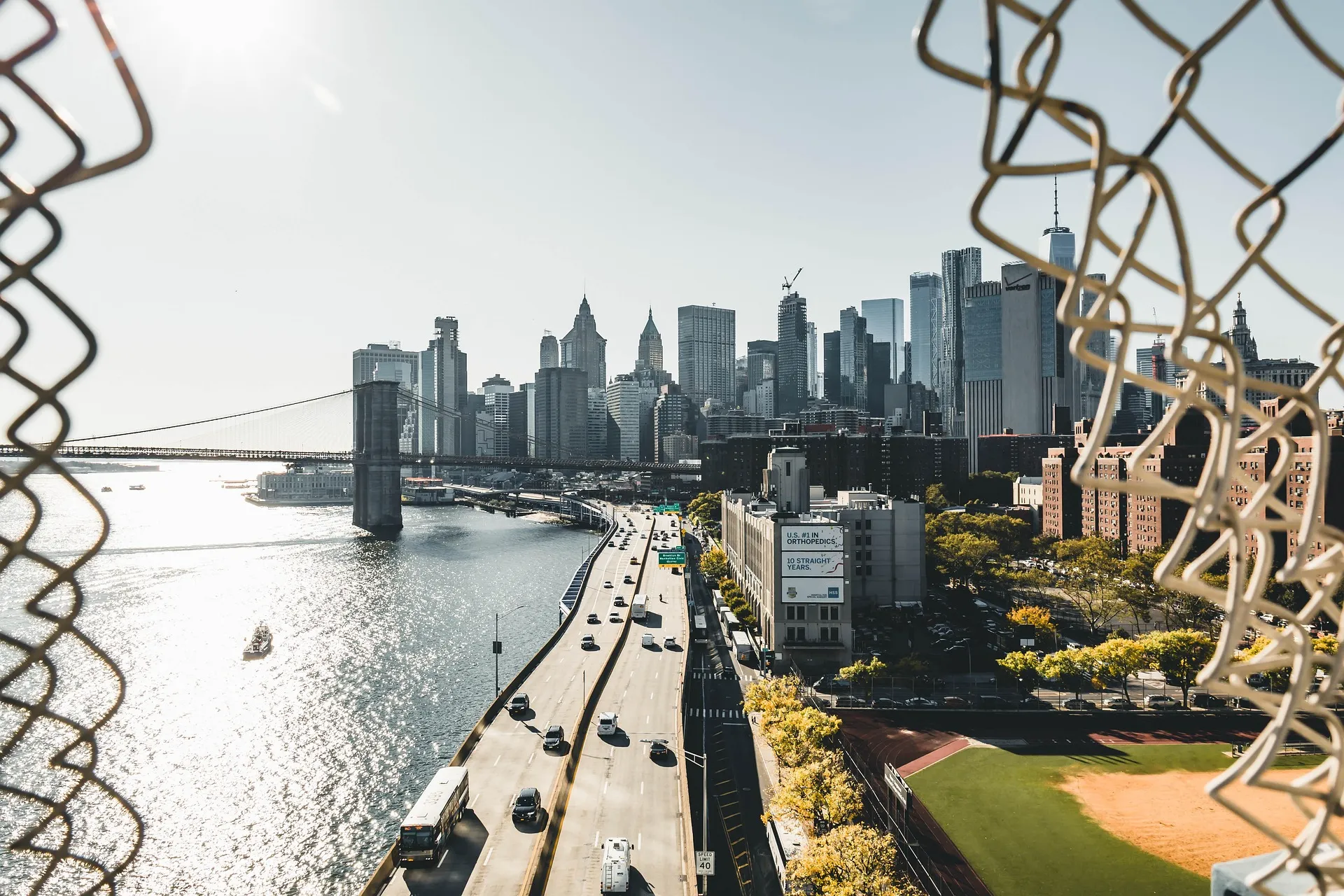
Yeah, I know—including NYC feels almost cliché at this point. But there’s a reason every list includes it: the damn place delivers. This is the city that never sleeps because it’s too busy arguing about pizza, putting on Broadway shows, and somehow making 8 million people coexist on a relatively small island.
Each borough has its own distinct personality. Manhattan screams and hustles, Brooklyn creates and gentrifies, Queens feeds you better than anywhere else, the Bronx holds its own with pride, and Staten Island… well, Staten Island has a free ferry with excellent views. Central Park provides that crucial breathing room, the Met could consume weeks of your life, and the food scene spans every cuisine imaginable.
What I appreciate about New York is its complete lack of pretense despite all its cultural clout. Yes, it’s expensive. Yes, the subway smells questionable. But show me another city with this much energy, diversity, and sheer bloody-minded determination to be everything simultaneously.
5. Rome, Italy
Rome wasn’t built in a day, which becomes obvious when you realize you’ve been walking for six hours and still haven’t seen half the ruins. This is a city where you trip over ancient history on your way to get a coffee. The Colosseum, Roman Forum, Pantheon—they’re all just sort of… there, casually existing among modern apartment buildings and Vespa-clogged streets.
The Vatican deserves its own day—maybe two if you’re into art. The Sistine Chapel lives up to the hype, though the crowds make it feel like you’re viewing Michelangelo’s masterpiece while being slowly crushed in a very polite, multinational mosh pit.
But honestly? My favorite Rome moments happen in random piazzas, eating cacio e pepe that costs eight euros and tastes like the gods themselves cooked it, watching elderly Italian men argue passionately about football while throwing their hands around. Toss a coin in the Trevi Fountain if you must, but the real magic is in getting wonderfully, hopelessly lost in Trastevere at night.
6. Melbourne, Australia
Melbourne takes its coffee culture so seriously that ordering a “regular coffee” will get you pitying looks. This is a city of laneways and hidden bars, street art that could hang in galleries, and a weather pattern that shows you all four seasons in one afternoon.
The café scene here isn’t just good—it’s a competitive sport. Baristas discuss extraction times and bean origins with the intensity of sommeliers. The laneway culture rewards exploration, with tiny bars tucked up staircases and through unmarked doors. Federation Square looks weird but somehow works, and the National Gallery of Victoria offers world-class art for free.
Melbourne has that perfect blend of European sensibility and Australian laid-back attitude. The sports obsession is real (AFL football borders on religious), the multiculturalism means extraordinary food from every corner of Asia and beyond, and the music scene thrives in ways larger cities often can’t manage. It’s also probably the most livable city on this list, though housing prices would like a word about that.
7. Prague, Czech Republic
Prague looks like a fairy tale and prices itself like it read the same book. The Old Town Square genuinely feels medieval, the Charles Bridge at sunrise (before the tourist hordes descend) offers moments of real magic, and Prague Castle complex could swallow an entire day without you noticing.
But what surprised me most about Prague—besides the beer being cheaper than water—is how much substance exists beyond the postcard views. The Jewish Quarter provides important historical context, the contemporary art scene in districts like Holešovice shows the city’s modern edge, and the locals have a dry humor that surfaces once they realize you’re not on a stag party.
Czech cuisine won’t win beauty contests—it’s heavy, meat-forward, and seems to view vegetables as optional garnish—but after a day of walking those cobblestone hills, svíčková (beef in cream sauce) hits differently. The beer culture is exceptional, with small pubs serving perfect pilsners for about two dollars. Just pace yourself; Czech beer is deceptively strong.
8. Cape Town, South Africa
Table Mountain dominates Cape Town’s skyline so thoroughly that every view feels composed for a postcard. But this city offers so much more than scenic backdrop. The cable car ride up Table Mountain provides 360-degree views that justify every tourist cliché, while the beaches along the Atlantic Seaboard (Camps Bay, Clifton) could pass for California—if California had penguins.
The V&A Waterfront balances tourist draw with actual appeal, the Robben Island tour provides crucial context on South Africa’s complex history, and the wine regions (Stellenbosch, Franschhoek) sit less than an hour away, offering world-class vintages at prices that’ll make European wine lovers weep.
Cape Town’s multiculturalism creates a food scene that spans continents—from traditional Cape Malay cuisine to innovative fine dining. The Bo-Kaap neighborhood, with its brightly colored houses, offers more than just photo ops; it’s the heart of Cape Malay culture with incredible history. Just perhaps prepare yourself for the reality that South Africa’s beauty exists alongside serious inequality—something the city doesn’t hide but confronts directly.
9. Paris, France
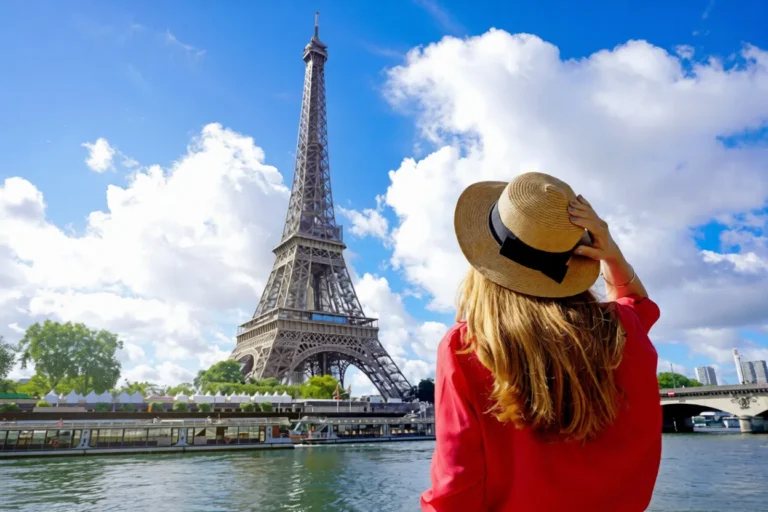
Oh, Paris. The most romanticized city on Earth somehow still manages to surprise you. Yes, the Eiffel Tower is exactly where you expect it to be (hard to miss, really), the Louvre would take several lifetimes to properly explore, and the Notre-Dame Cathedral—currently being restored after the 2019 fire—remains emotionally powerful even behind scaffolding.
But Paris’s real magic hides in less obvious places. The Marais district blends medieval streets with contemporary culture, the covered passages (like Galerie Vivienne) transport you to 19th-century elegance, and the canal Saint-Martin area shows you where actual Parisians hang out, drink wine on the banks, and judge tourists lovingly.
French pastries deserve their reputation—a proper croissant is genuinely transcendent—and the bistro culture of lingering over meals for hours should be mandatory worldwide. Paris can feel snooty, sure, and Parisians have earned their reputation for… let’s call it “direct communication.” But attempt even basic French, show some respect for their pace of life, and most warm up considerably. Or at least stop actively scowling.
10. Lisbon, Portugal
Lisbon climbs seven hills that will absolutely destroy your calves, but the views from those peaks make every painful step worthwhile. This is a city painted in pastels, covered in azulejo tiles, and filled with the melancholic sound of fado music drifting from tiny restaurants.
The Alfama district is pure medieval charm—winding alleys, laundry strung between buildings, and tiny tascas serving grilled sardines. The Belém Tower and nearby Jerónimos Monastery showcase Portugal’s Age of Discovery glory, while the Bairro Alto comes alive at night with bars spilling onto the streets.
Pastéis de nata (custard tarts) reach their peak form here—try them at the Pastéis de Belém bakery for the definitive version. The miradouros (viewpoints) provide free entertainment, the yellow tram 28 offers tourist-packed but genuinely scenic rides, and day trips to Sintra feel like stepping into a Brothers Grimm tale.
Perhaps what I love most about Lisbon: it hasn’t been completely consumed by tourism yet. Sure, gentrification is happening, and prices have risen, but you can still find authentic moments, local life, and prices that won’t require selling a kidney.
11. Tokyo, Japan
Tokyo is controlled chaos wrapped in politeness and tied with a bow made of neon lights. With over 13 million people somehow coexisting in relative harmony, this city shouldn’t work—and yet it functions better than most places a tenth its size.
Each neighborhood offers a completely different experience. Shibuya overwhelms with its famous crossing and youth culture, Harajuku showcases street fashion that ranges from kawaii to completely avant-garde, Shinjuku pulses with entertainment and skyscrapers, while Asakusa preserves traditional temples and market culture.
The efficiency here borders on miraculous—trains run on time to the second, convenience stores offer actually good food, and the customer service makes Western standards look barbaric. The food scene spans from $3 ramen shops serving better noodles than you thought possible to sushi temples that cost more than your rent.
Robot restaurants (delightfully absurd), karaoke boxes at 3 AM, temples nestled between modern buildings, vending machines selling everything imaginable—Tokyo embraces contradictions completely. Learn basic phrases, bow slightly when greeting people, and prepare for your personal space bubble to disappear on the subway during rush hour. Worth it.
Planning Your City Adventure: Practical Considerations
Look, I’d love to tell you to just book a flight and figure everything else out when you land. And honestly? Sometimes that works. But a bit of planning prevents those moments where you’re standing in front of a museum at 8 PM wondering why it closed three hours ago.
| City | Best Time to Visit | Average Daily Budget | Days Recommended |
|---|---|---|---|
| Kyoto | March-May, Oct-Nov | $80-150 | 3-5 days |
| Barcelona | May-June, Sept-Oct | $70-130 | 3-4 days |
| Istanbul | April-May, Sept-Nov | $50-90 | 3-5 days |
| New York City | April-June, Sept-Nov | $150-300 | 4-7 days |
| Rome | April-June, Sept-Oct | $80-150 | 3-5 days |
| Melbourne | March-May, Sept-Nov | $90-160 | 3-4 days |
| Prague | April-June, Sept-Oct | $50-90 | 2-4 days |
| Cape Town | Nov-March | $60-110 | 4-6 days |
| Paris | April-June, Sept-Oct | $100-180 | 4-6 days |
| Lisbon | April-June, Sept-Oct | $60-110 | 3-4 days |
| Tokyo | March-May, Oct-Nov | $100-180 | 5-7 days |
My Final Thoughts (Before You Book That Ticket)
Here’s what I’ve learned after visiting all these places: the “best” city doesn’t actually exist. It depends entirely on what you’re looking for. Craving history? Rome and Istanbul deliver in spades. Need that perfect café culture? Melbourne and Paris are your spots. Want efficiency mixed with chaos? Tokyo’s your answer. Beach vibes with urban energy? Cape Town and Barcelona have you covered.
The real secret—and I know this sounds like something from a motivational poster—is being open to whatever the city wants to show you. My best travel memories didn’t come from ticking off UNESCO sites. They came from conversations with locals who took pity on my terrible pronunciation, from getting spectacularly lost and finding perfect little restaurants with no English menus, from saying “yes” to invitations that seemed questionable but turned into stories I’ll tell forever.
So pick a city from this list. Or pick two. Or throw a dart at a map and see what happens. The world’s pretty remarkable once you actually get out there and look at it. Just maybe don’t walk into random apartment lobbies thinking they’re tapas bars. Learn from my mistakes.
Top Travel Resources for City Breaks
Booking.com — Comprehensive accommodation options ranging from hostels to luxury hotels, with user reviews and flexible cancellation policies that saved me more than once.
Airbnb — Perfect for longer stays or when you want to live like a local; apartments with kitchens can save serious money in expensive cities.
Skyscanner — Flight search engine that actually finds those hidden deals; the “everywhere” search option is dangerous for spontaneous travelers.
GetYourGuide — Skip-the-line tickets and local experiences; particularly useful for major attractions that have brutal queue times.
Rome2rio — Shows every possible transport option between two points, including estimated costs and journey times.
TripAdvisor — Restaurant reviews you can actually trust (mostly); sort by recent reviews and read the bad ones for reality checks.
Google Flights — Price tracking alerts and flexible date searches help you find cheaper travel windows.
Hostelworld — Not just for backpackers; many hostels now offer private rooms at budget hotel prices with better locations.
Viator — Curated tours and experiences; particularly good for food tours and walking tours with knowledgeable local guides.
The Man in Seat 61 — Comprehensive train travel resource; essential for planning European rail journeys and finding those overnight sleeper options.
Citymapper — Transit app that works in major cities worldwide; tells you which subway car to board for fastest exits.
Kayak — Price comparison across multiple booking sites; the “explore” feature is excellent for flexible travelers.
EatWith — Dining experiences in locals’ homes; more intimate and often more affordable than high-end restaurants.
TripIt — Organizes all your confirmation emails into one coherent itinerary; the pro version tracks flight changes in real-time.
Revolut — Travel card with excellent exchange rates and no foreign transaction fees; saves considerable money on international purchases.
Lonely Planet — Still relevant despite the digital age; their city guides offer neighborhood breakdowns and hidden gems that algorithms miss.
Google Maps — Download offline maps before you go; the “save places” feature helps you build custom maps of restaurants and attractions.
EasyJet — Budget European airline perfect for city hopping; book early for ridiculously cheap fares between major cities.
Trainline — European train ticket booking made simple; often cheaper than buying at the station and tickets go straight to your phone.
Atlas Obscura — Curated unusual attractions and hidden spots that locals actually appreciate; takes you beyond the typical tourist circuit.
Frequently Asked Questions
What is the best city to visit for first-time international travelers?
Answer: Paris or Barcelona make excellent first international destinations for English speakers. Both cities have well-developed tourist infrastructure, English is widely spoken in tourist areas, public transportation is intuitive, and they offer that perfect mix of famous landmarks and authentic local culture. Plus, both are relatively compact for walking, which helps with orientation. If you’re looking for something more English-friendly, Melbourne or Cape Town offer international experiences with less language barrier stress.
How many days should I spend in each city?
Answer: Generally, 3-5 days hits the sweet spot for most cities. Three days lets you cover major attractions and get a feel for the place. Five days allows for deeper neighborhood exploration, day trips, and those spontaneous discoveries that happen when you’re not rushing. Larger cities like Tokyo, New York, or Istanbul could easily consume a week or more. Smaller cities like Prague might feel thoroughly explored in 2-3 days. My rule: if you’re feeling rushed, you didn’t allocate enough time.
What is the cheapest city to visit on this list?
Answer: Prague and Istanbul offer the best value for money, with daily budgets easily manageable under $70-90 including accommodation, food, and attractions. Prague’s beer costs less than bottled water, and Istanbul’s street food and local restaurants serve exceptional meals for pocket change. Lisbon also ranks as surprisingly affordable compared to other Western European capitals, though prices have risen with increased tourism. These cities prove that memorable travel doesn’t require emptying your savings account.
Which city has the best food scene?
Answer: This depends entirely on your taste preferences, but Tokyo and Istanbul stand out for sheer variety and quality-to-price ratio. Tokyo offers everything from $5 ramen to $500 sushi omakase, all executed with precision. Istanbul blends Middle Eastern, Mediterranean, and Central Asian influences into something uniquely delicious. Barcelona and Melbourne also deserve mentions—Barcelona for tapas culture and fresh seafood, Melbourne for its multicultural food scene and café culture that borders on obsessive. Really though, every city on this list will feed you exceptionally well.
Are these cities safe for solo travelers?
Answer: Yes, all eleven cities are generally safe for solo travelers, including solo women travelers, though normal city precautions apply everywhere. Tokyo and Melbourne rank among the world’s safest major cities. European cities like Prague, Barcelona, and Lisbon are safe but watch for pickpockets in tourist areas. Cape Town requires more awareness, particularly at night—stick to well-populated areas and use registered taxis or Uber. Research neighborhood safety before booking accommodation, trust your instincts, and remember that millions of solo travelers visit these places annually without incident.
When is the best time to visit these cities?
Answer: Shoulder seasons—spring (April-May) and fall (September-October)—offer the best combination of pleasant weather and manageable crowds for most cities. Cherry blossom season in Kyoto and Tokyo (late March-early April) is spectacular but extremely crowded. European cities shine in late spring and early fall when weather cooperates and summer crowds thin out. Cape Town follows Southern Hemisphere seasons, making November-March ideal. Avoid August in Europe when locals vacation and tourist numbers peak. Winter can offer excellent value in most cities, though some attractions have reduced hours.
How much should I budget per day for these cities?
Answer: Budget varies significantly by city and travel style. Prague and Istanbul can work on $50-70 daily if you’re careful, staying in hostels and eating street food. Mid-range travelers should budget $100-150 daily for comfortable hotels, sit-down restaurants, and paid attractions in most cities. New York, Tokyo, and Paris push higher, with $150-200+ being realistic for decent accommodation and dining. These estimates assume you’re not going wild with shopping or Michelin-starred restaurants. Transportation costs vary—some cities have expensive public transport (London), others are cheap (Prague), and some are extremely walkable (Barcelona).
Do I need to speak the local language?
Answer: English gets you surprisingly far in major tourist areas of all these cities, but learning basic phrases (hello, thank you, excuse me, check please) shows respect and often transforms interactions. In Tokyo and Kyoto, many older locals speak limited English, but younger people and anyone in tourism usually manage fine—plus Japanese hospitality overcomes language barriers. Prague, Barcelona, and Lisbon have high English proficiency in tourist zones. Istanbul mixes well, Paris improves dramatically if you attempt French first, and Melbourne, Cape Town, and New York are predominantly English-speaking. Download Google Translate’s offline language packs as backup.
Which city is best for art and culture lovers?
Answer: Paris and Rome lead for classical art and historical culture, with world-class museums and centuries of artistic heritage. Paris’s Louvre, Musée d’Orsay, and countless galleries could occupy weeks. Rome essentially is an open-air museum. For contemporary art and culture, Melbourne punches above its weight with excellent galleries and street art scenes. Barcelona offers Gaudí’s unique architectural vision alongside strong contemporary art. Tokyo blends traditional culture (tea ceremonies, temples) with cutting-edge contemporary art and design. Really, every city here offers substantial cultural experiences—it depends whether you prefer classical Renaissance or modern installations.
Can I visit multiple cities in one trip?
Answer: Absolutely, and it’s often the best way to maximize limited vacation time. European cities connect beautifully via budget airlines, trains, and buses—Barcelona to Paris, Prague to Rome, Lisbon to Barcelona all make excellent combinations. Japan Rail Pass makes combining Tokyo and Kyoto economical. Istanbul works well as a stopover between Europe and Asia. However, don’t overcram your itinerary; constantly moving between cities exhausts you and prevents deeper exploration. Two cities with 4-5 days each beats four cities with 2 days each. Factor in travel days, jetlag, and the reality that packing and unpacking gets old quickly.