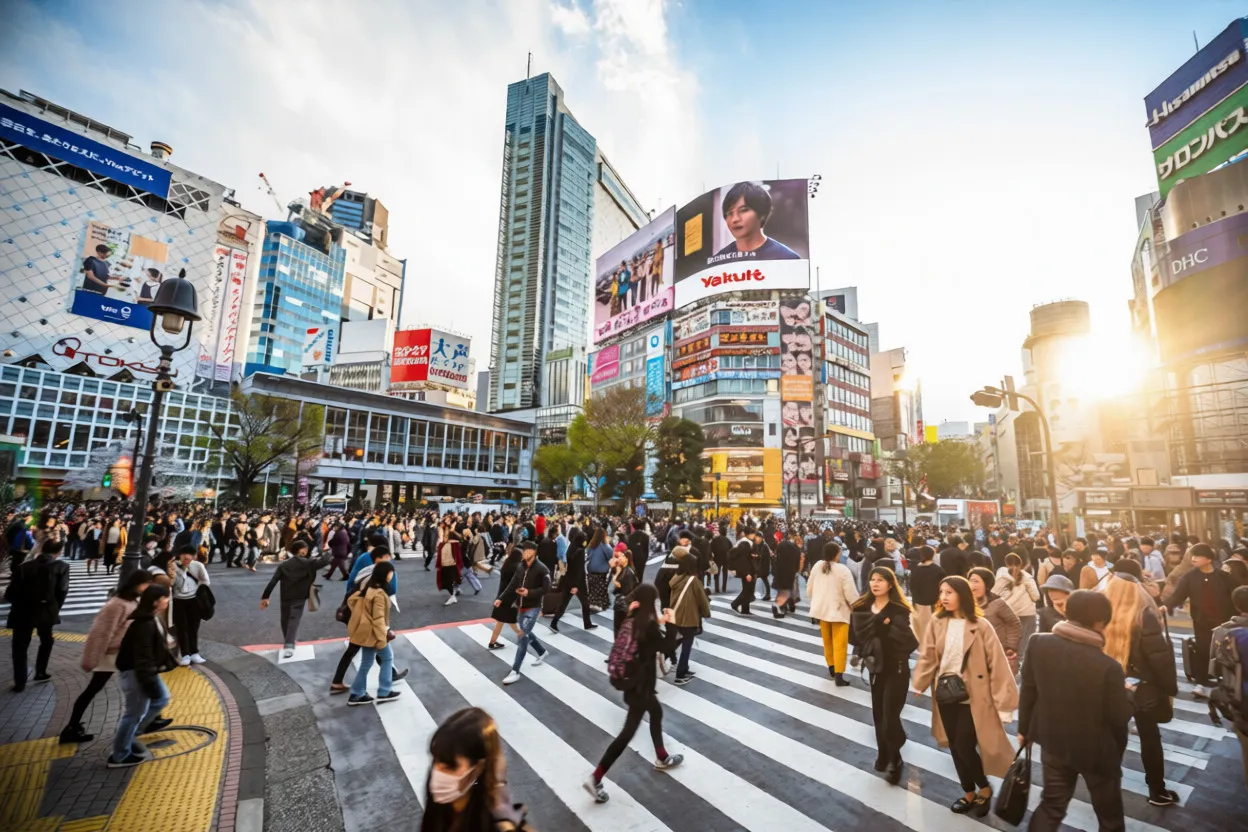

Look, I know what you’re thinking. You’ve seen the TikToks of the Shibuya Crossing from a high-angle Starbucks and you’ve mentally packed your bags for a “spiritual” awakening in Kyoto. We all have. But Japan in 2026 is—how do I put this?—a bit of a sensory paradox. It’s a place where you can buy a lukewarm can of Boss coffee from a vending machine in a literal forest, then ride a train so fast it feels like you’re folding time.
Perhaps the allure isn’t just the neon; it’s the weird, quiet friction between the hyper-modern and the stubbornly ancient. You go for the “Must-Sees”—the shimmering Golden Pavilion, the deer in Nara that are arguably more polite than most humans, and the relentless caloric joy of Osaka street food—but you stay for the moments that don’t make the brochure. Like, I don’t know, getting lost in a basement department store (depachika) and realizing you’d die for a $40 melon. From the pixelated chaos of Akihabara to the hushed, cedar-scented air of a Hakone onsen, here are 13 ways to actually “do” Japan without feeling like you’re just ticking boxes on a dusty map.
Would you like me to dive into the first few specific locations on this list, perhaps starting with the chaos of Tokyo?
1. Get Lost in Tokyo’s Organized Chaos
Tokyo is a paradox wrapped in a megacity. It’s simultaneously hyper-efficient and wonderfully weird, traditional yet aggressively futuristic. You can watch sumo wrestlers train in the morning, browse vintage vinyl in Shimokitazawa by afternoon, and end the night at a robot cabaret show in Shinjuku (yes, that’s a real thing).
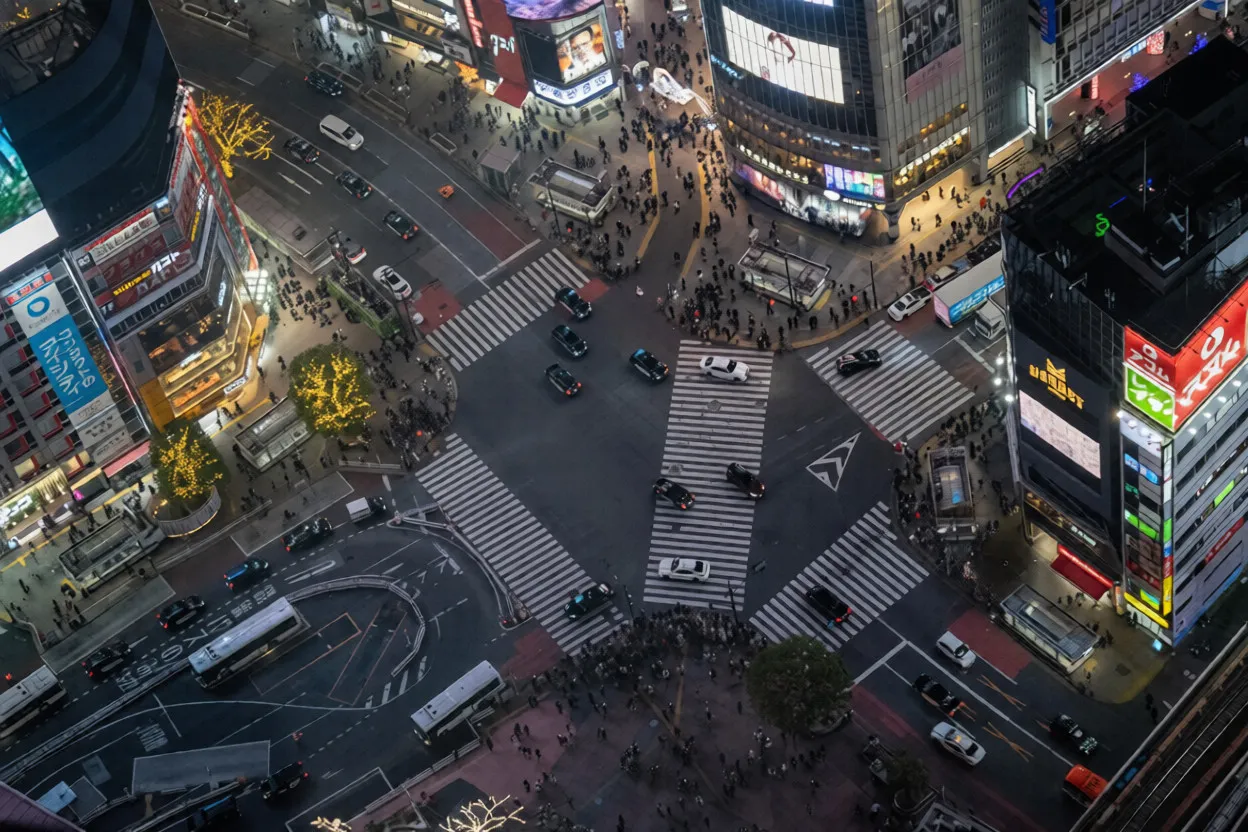
Start in Shibuya—not just for the famous crossing, though you should absolutely do that tourist thing and take seventeen identical photos. Wander up to Harajuku and Takeshita Street, where fashion takes a left turn into the gloriously bizarre. Then hit Senso-ji Temple in Asakusa for a dose of history and the best people-watching in the city.
Pro tip: Tokyo’s subway system looks intimidating but it’s laughably easy once you download Google Maps and accept that you’ll probably take the wrong exit at least once. Consider it a rite of passage.
2. Bow to the Deer Gods of Nara
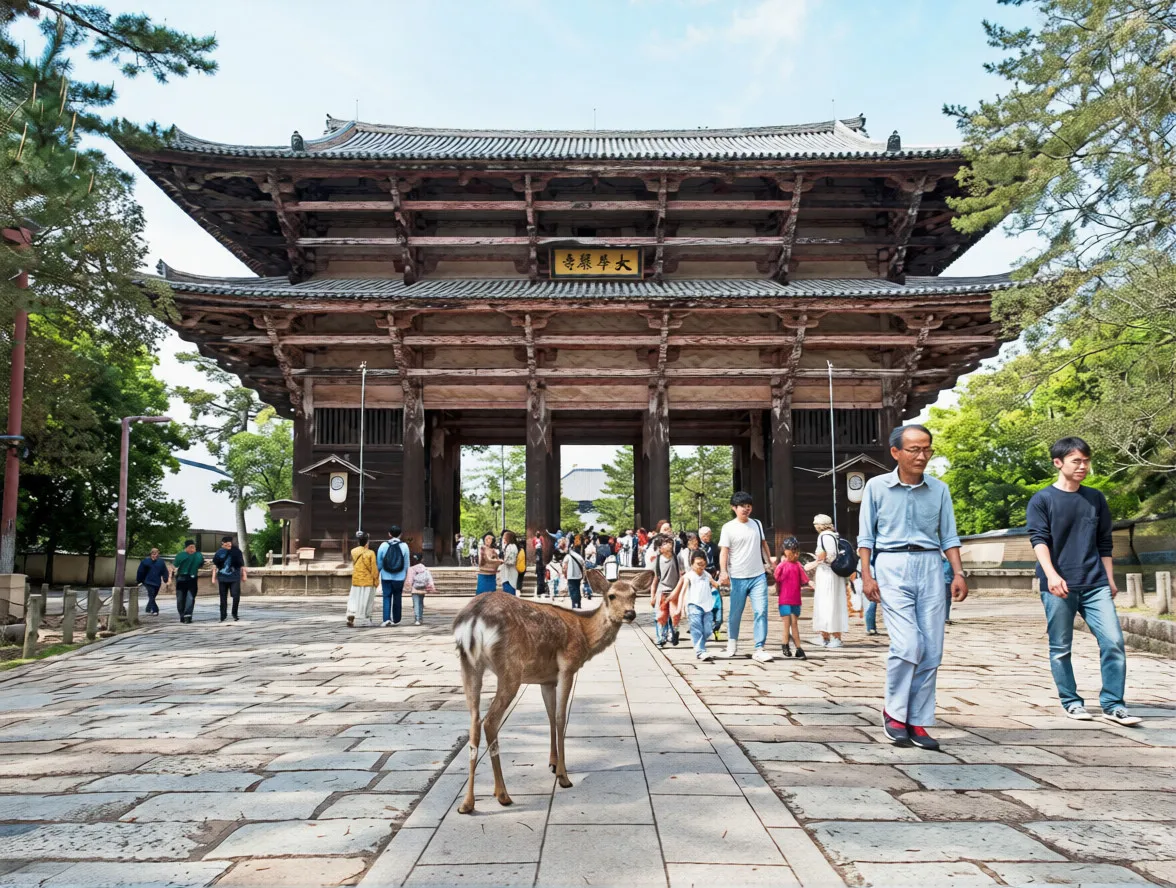
Nara is where over 1,000 sacred deer roam free, and they know they’re in charge. These aren’t your timid forest creatures—these are entrepreneurial ungulates who’ve perfected the art of bowing for crackers and straight-up mugging tourists who move too slowly.
The main attraction is Todai-ji Temple, home to a massive bronze Buddha that’ll make you question your life choices (in a good way). The deer add an almost surreal quality to the experience, like you’ve stumbled into a Studio Ghibli film where the wildlife has organized a protection racket.
I watched a deer chase a grown man for a solid thirty seconds because he was holding the cracker bag wrong. Nature is healing.
3. Soak Your Troubles Away in an Onsen
If you leave Japan without visiting an onsen (hot spring bath), did you even go? These natural thermal baths are woven into Japanese culture, and the experience is part meditation, part social ritual, part “why am I this relaxed right now?”
Hakone and Beppu are famous onsen destinations, but honestly, you’ll find them everywhere. Just remember: you’re getting naked. Fully naked. Tattoos can be an issue at some traditional spots (they’re associated with yakuza), but more places are becoming flexible, especially in tourist areas.
The first time is awkward. The second time is transcendent. By the third, you’re wondering why your home country hasn’t adopted this practice.
4. Climb Mount Fuji (Or Just Admire It From Afar)
Mount Fuji is Japan’s most iconic natural landmark, and climbing it is on every adventurous traveler’s bucket list. The official climbing season runs July through early September, and yes, thousands of people make the trek to see the sunrise from the summit.
But here’s the thing—you don’t have to climb it. Some of the best views of Fuji-san are from Lake Kawaguchi, the Chureito Pagoda, or a speeding shinkansen window. The mountain is famously shy, often hiding behind clouds, so catching a clear view is its own kind of victory.
If you do climb, prepare for a long night, altitude sickness, and the most profound sense of accomplishment you’ll feel all year. If you don’t, enjoy your full night’s sleep and picturesque photos. Both choices are valid.
5. Experience Kyoto’s Temple Marathon
Kyoto was Japan’s capital for over a thousand years, and it shows. The city is home to 17 UNESCO World Heritage sites, over 2,000 temples, and more traditional culture than you can absorb in a single visit.
Start with the big hitters: Kinkaku-ji (the Golden Pavilion, which looks exactly like the photos and yet somehow better in person), Fushimi Inari Shrine with its thousands of vermillion torii gates, and the zen rock garden at Ryoan-ji. Then wander the Gion district at dusk, when you might spot a geisha (or more accurately, a geiko or maiko) gliding between appointments.
Perhaps the most underrated experience? Getting up early. Kyoto’s temples are magical at dawn, before the tour buses arrive and you can actually hear yourself think.
6. Ride the Shinkansen (Bullet Train)
The shinkansen isn’t just transportation—it’s an experience. These bullet trains hit speeds of 200+ mph while maintaining the smoothness of your living room couch. They’re punctual to the second (the average delay is less than a minute per year), and the bento boxes you can grab before boarding are genuinely delicious.
Get a JR Pass if you’re doing multiple cities—it pays for itself after a couple long-distance trips. Then settle in, watch the countryside blur past, and marvel at the fact that you’re eating convenience store sushi on a train going faster than most cars.
The Tokyo to Kyoto route is classic, but the journey to Hiroshima or up to Hokkaido offers its own rewards.
7. Explore Hiroshima’s Peace Memorial and Miyajima Island
Hiroshima carries heavy history, and the Peace Memorial Park and Museum are essential visits—sobering, educational, and ultimately hopeful. The city has rebuilt itself into a vibrant, welcoming place that honors its past while looking firmly toward the future.
From Hiroshima, hop a ferry to Miyajima Island, home to the famous “floating” torii gate of Itsukushima Shrine. At high tide, the gate appears to float on water; at low tide, you can walk right up to it. The island is also home to friendly deer (less aggressive than Nara’s gang) and some of the best momiji manju (maple leaf-shaped cakes) you’ll ever taste.
8. Get Weird in Osaka
If Tokyo is Japan’s polished face, Osaka is its loud, friendly cousin who shows up to parties uninvited and makes them better. This city is all about food, comedy, and not taking itself too seriously.
Hit Dotonbori at night when the neon signs are in full effect and the street food vendors are doing brisk business. Try takoyaki (octopus balls—stay with me here), okonomiyaki (savory pancakes), and kushikatsu (fried everything on sticks). Osaka’s food scene is legendary, and locals take genuine pride in feeding you until you can barely move.
The Osaka Castle is beautiful, Shinsekai is wonderfully retro, and the nightlife rivals Tokyo’s. But honestly? Just eat. Eat everything.
9. Discover the Snow Monkeys of Nagano
In the mountains of Nagano Prefecture, Japanese macaques have figured out the secret to winter happiness: hot spring baths. The Jigokudani Monkey Park lets you observe these snow monkeys as they soak in natural onsen, looking more relaxed than most humans on vacation.
The hike to reach the park (about 30-40 minutes through snowy forest) is part of the charm. You’ll arrive slightly out of breath to find monkeys living their absolute best lives, completely unbothered by your camera clicks and existential jealousy.
Best time to visit? Winter, obviously, when the contrast between snowy surroundings and steaming hot springs is most dramatic.
10. Sleep in a Traditional Ryokan
A ryokan is a traditional Japanese inn, and spending a night in one is non-negotiable if you want the full cultural experience. You’ll sleep on a futon laid out on tatami mats, wear a yukata (casual kimono), and probably enjoy a multi-course kaiseki dinner that borders on edible art.
Many ryokan have private or communal onsen baths, gardens you can stroll through, and a level of hospitality that’ll spoil you for regular hotels forever. It’s not cheap, but it’s worth every yen for the experience and the memories.
I stayed at a ryokan in Hakone and spent the evening convinced I’d somehow time-traveled. Modern life felt very far away, and I wasn’t mad about it.
11. Chase Cherry Blossoms (or Fall Foliage)
Japan’s cherry blossom season (sakura) is legendary, and for good reason. For roughly two weeks in spring (late March to early April, depending on location), the entire country erupts in pink and white blooms. Parks fill with people having hanami parties (cherry blossom viewing picnics), and the fleeting beauty becomes a national obsession.
Can’t make it in spring? Autumn is equally spectacular. The fall foliage season (koyo) runs from October to November, painting temple grounds and mountain paths in brilliant reds, oranges, and golds.
Both seasons are crowded and accommodations book up fast, but the visual payoff is absolutely worth the planning hassle.
12. Visit Okinawa’s Beaches
Everyone thinks of temples and cities when they think Japan, but Okinawa is subtropical paradise. The southernmost prefecture offers turquoise waters, white-sand beaches, and a culture that blends Japanese, Chinese, and indigenous Ryukyuan influences.
It’s a different vibe entirely—more laid-back, more beach-focused, and refreshingly distinct from mainland Japan. Snorkel, dive, island-hop, or just plant yourself on a beach and remember that relaxation is also a valid travel goal.
Plus, Okinawans have one of the highest life expectancies in the world. Maybe it’s the diet, maybe it’s the ocean air, maybe it’s the general lack of winter. Whatever it is, I’m taking notes.
13. Experience a Traditional Tea Ceremony
The Japanese tea ceremony (chanoyu) is about so much more than drinking matcha. It’s a choreographed ritual emphasizing harmony, respect, purity, and tranquility—basically the opposite of your morning coffee dash.
You can experience tea ceremonies at dedicated tea houses in Kyoto, Tokyo, and other cities. Some ryokan also offer them. Yes, it requires sitting seiza-style (on your knees) and yes, your legs will fall asleep. But there’s something meditative about the deliberate movements, the careful preparation, and the mindfulness required to truly appreciate what’s happening.
It’s one of those experiences that sounds boring on paper and ends up being surprisingly moving in practice.
Planning Your Japan Adventure
Look, I could write another 2,000 words about kaiseki cuisine, the joy of vending machine drinks, and why you should visit a themed café (maid café, cat café, hedgehog café—take your pick). Japan is endlessly layered, and every visit reveals something new.
The beauty of this country is that you can’t really do it wrong. Temple-hopping in Kyoto, bar-hopping in Tokyo, beach-lounging in Okinawa, mountain-trekking in the Alps—it’s all good. The trains run on time, the food is exceptional, the people are kind (if reserved), and the whole country operates with an efficiency that makes you wonder why anywhere else even tries.
So book the flight. Download Google Translate. Get comfortable with not understanding everything. And prepare for a trip that’ll recalibrate your entire relationship with travel.
Japan isn’t just a destination—it’s a vibe check for your soul. And honestly? Most of us could use one.
Top Travel Resources & Recommendations for Japan
- Japan Rail Pass – Essential multi-use train pass offering unlimited travel on JR trains; saves significant money if you’re visiting multiple cities.
- Booking.com – Extensive selection of hotels, ryokan, and unique stays across Japan with flexible cancellation options.
- Klook – Activity booking platform offering discounted tickets for attractions, tours, and experiences throughout Japan.
- Hyperdia – The most reliable train route planner for navigating Japan’s complex but efficient railway system.
- Pocket WiFi Rental (Japan Wireless) – Stay connected everywhere with portable WiFi devices available for airport pickup.
- Suica/Pasmo IC Cards – Rechargeable smart cards for trains, buses, vending machines, and convenience stores across Japan.
- Viator – Curated tours and experiences including guided temple visits, food tours, and cultural workshops.
- Airbnb Japan – Unique accommodation options from traditional machiya townhouses to modern apartments in residential neighborhoods.
- GetYourGuide – Skip-the-line tickets and local experiences with verified reviews for major attractions.
- Jigokudani Monkey Park – Official site for visiting the famous snow monkeys in Nagano Prefecture.
- Japan Guide – Comprehensive travel resource with detailed information on destinations, transportation, and seasonal events.
- Tabelog – Japan’s most trusted restaurant review platform (think Yelp but actually reliable) for finding authentic local eateries.
- Tsukiji Outer Market Food Tour – Guided culinary experiences exploring Tokyo’s famous food markets.
- Japan Experience – Specialized service offering JR Pass delivery, pocket WiFi, and curated travel packages.
- Tokyo Metro Pass – Unlimited subway rides in Tokyo for 24/48/72 hours; perfect for intensive city exploration.
- Ninja WiFi – Another excellent portable WiFi option with unlimited data and competitive rates.
- Omotenashi Guide – Free multilingual voice translation app specifically designed for Japan travel scenarios.
- Voyagin – Platform for booking unique cultural experiences from traditional tea ceremonies to samurai lessons.
- Japan National Tourism Organization – Official tourism board website with up-to-date travel information and seasonal highlights.
- Omio – Easy booking platform for trains, buses, and flights across Japan with English interface and clear pricing.
Frequently Asked Questions
What is the best time to visit Japan?
Answer: Spring (March-May) for cherry blossoms and autumn (October-November) for fall foliage are peak seasons, but honestly every season offers something special—winter for skiing and snow monkeys, summer for festivals and beach destinations like Okinawa.
How many days do you need in Japan?
Answer: Two weeks is ideal for first-timers wanting to cover Tokyo, Kyoto, and a few other destinations. One week can work if you’re focused on 2-3 cities, but you’ll leave wanting more (trust me, everyone does).
Is Japan expensive to visit?
Answer: It can be, but it’s manageable. Budget roughly $100-150/day for mid-range travel including accommodation, food, and transport. Convenience store meals and business hotels keep costs down, while ryokan stays and kaiseki dinners push them up.
Do I need to speak Japanese to travel in Japan?
Answer: Not really, though learning basic phrases shows respect and helps immensely. Major cities and tourist areas have English signage, and translation apps work well. Outside urban centers, prepare for more challenging communication—gestures and smiles go far.
What should I pack for Japan?
Answer: Comfortable walking shoes (you’ll walk miles daily), modest clothing for temple visits, layers for variable weather, and a small day bag. Bring less than you think—Japan has amazing shops and vending machines everywhere.
Are credit cards widely accepted in Japan?
Answer: More than before, but Japan remains surprisingly cash-based. Many restaurants, small shops, and temples only accept cash. Carry yen and know where ATMs are (7-Eleven and post offices are reliable options).
What is Japanese train etiquette?
Answer: Keep voices down, don’t eat or drink (except shinkansen), give up priority seats, silence phones, and queue properly. Trains are clean and efficient—keep them that way by taking trash with you.
Is tipping expected in Japan?
Answer: No, and it can actually cause confusion or offense. Excellent service is standard expectation, not something requiring extra payment. Just say thank you (“arigato gozaimasu”) and move on.
What are the must-try foods in Japan?
Answer: Beyond sushi: ramen, tonkatsu, okonomiyaki, takoyaki, tempura, wagyu beef, kaiseki cuisine, street food in Osaka, convenience store egg sandwiches (seriously), and literally anything from a depachika (department store basement food hall).
Can I use my phone in Japan?
Answer: International roaming works but gets expensive. Rent pocket WiFi at the airport or buy a tourist SIM card for data. Free WiFi exists in major cities but isn’t reliable for constant connectivity.
What is the JR Pass and do I need it?
Answer: The Japan Rail Pass offers unlimited travel on most JR trains including most shinkansen lines. It’s worth it if you’re doing multiple long-distance trips (Tokyo-Kyoto-Hiroshima for example), but not if you’re staying in one city.
Are tattoos really a problem in Japan?
Answer: At some traditional onsen, public baths, and gyms, yes—they’re associated with yakuza. However, many places are becoming more flexible, especially in tourist areas. Smaller tattoos can sometimes be covered with patches, or seek out tattoo-friendly establishments.
What should I know about Japanese toilets?
Answer: High-tech bidet toilets are common and amazing (once you figure out the buttons). Traditional squat toilets still exist in older places. Most public restrooms are remarkably clean. Carry tissues—not everywhere provides toilet paper.
Is Japan safe for solo travelers?
Answer: Extremely. Japan has low crime rates, and solo travel (even for women) is generally very safe. Normal precautions apply, but you’ll likely feel more secure here than in most other countries.