

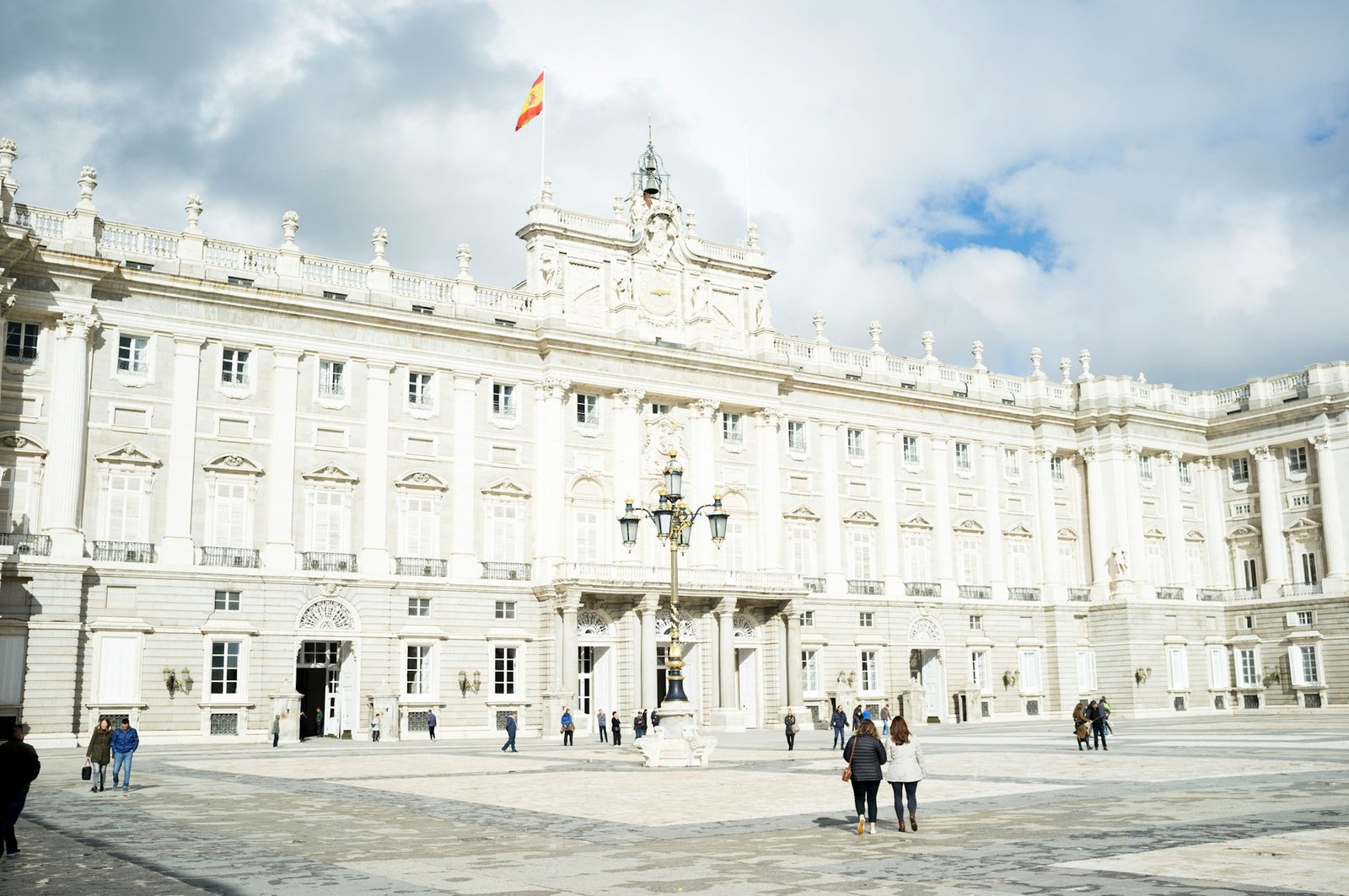

Traveling through Europe without emptying your bank account isn’t just a pipe dream; it’s a skill worth cultivating. Europe, with its tempting blend of history, culture, and mouthwatering food, often carries a reputation for being an expensive playground. But here’s the thing—if you approach it with a bit of savvy and open eyes, you can slip into the heart of it without selling organs or maxing out credit cards.
Think of it less as surviving on scraps and more like mastering a refined art of balance—where timing, choice, and a sprinkle of creativity make all the difference. From snagging budget flights that feel like secret handshakes to finding charming hostels or hidden gems that won’t charge you an arm and a leg, it’s about knowing where to look. And yes, dining on street food or from local markets isn’t a downgrade; it’s an invitation to authentic flavors and stories.
We’re talking insider tricks that don’t scream “tourist” but let you savor Europe’s soul, one affordable moment at a time. So, if your wallet is whispering warnings and your mind’s bouncing between wanderlust and pragmatism, stick around. This is the guide for traveling smarter, not pricier, across a continent that’s surprisingly generous—not just in beauty but in budget-friendly opportunities, too.
The Reality Check Nobody Talks About
Before we dive into the practical stuff, let’s address the elephant in the hostel room. Yes, Europe can be expensive. A pint in London might cost you what you’d pay for dinner in Prague. But here’s what I’ve learned: expensive is relative, and cheap is achievable if you’re willing to be a bit creative.
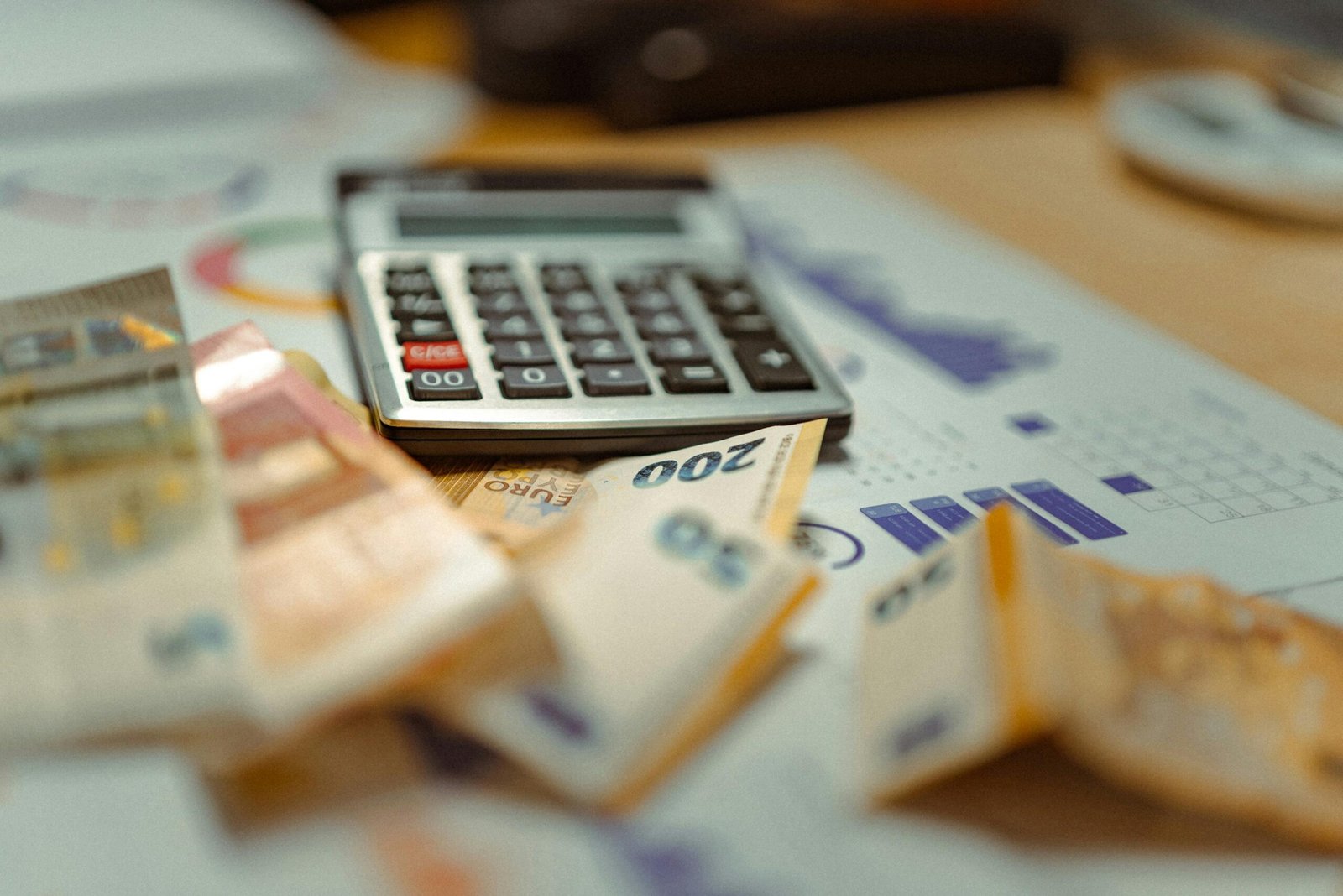
I remember standing in a Swiss supermarket, staring at a $12 sandwich, having what I can only describe as an existential crisis. That moment taught me more about budget travel than any guidebook ever could. Sometimes the lesson is simple: don’t buy sandwiches in Switzerland.
Transportation: Your Biggest Budget Enemy (And How to Tame It)
Flights That Won’t Bankrupt You
Here’s the thing about cheap flights to Europe—they exist, but they require patience that would make a monk jealous. I’ve found flights from New York to London for $180, but I’ve also paid $800 for the same route because I booked last minute like an amateur.
The Goldilocks Rule: Book 2-3 months ahead for that sweet spot between too early (airlines haven’t released sales yet) and too late (you’re paying panic prices).
Budget Airlines That Actually Work:
- Ryanair – The Southwest of Europe, minus the friendly service
- EasyJet – Slightly more legroom, slightly more expensive
- Wizz Air – Eastern Europe’s gift to budget travelers
The Eurail Pass Debate
I’ll be honest—I used to be a Eurail Pass skeptic. Seemed like tourist trap territory. But after doing the math on a particularly ambitious itinerary (Berlin to Barcelona via Prague, Vienna, and about six other cities I can barely pronounce), the pass actually saved me nearly $400.

The Eurail Pass works best if you’re hitting 5+ countries or doing long-distance routes. For shorter trips or staying in one region, individual tickets often win.
Bus Travel: The Humble Hero
Let me paint you a picture: overnight bus from Berlin to Prague, $25, includes accommodation for the night. Yes, you’ll arrive looking like you’ve been through a tumble dryer, but your wallet will thank you.
FlixBus has basically revolutionized European bus travel. Clean buses, WiFi, and prices that make you wonder how they stay in business.
Accommodation: Where to Rest Your Weary (And Broke) Head
Hostels: Not Just for College Kids
I stayed in my first hostel at 30, convinced I’d be the weird old person in a sea of gap-year students. Plot twist: half the people there were older than me, and everyone was too tired from walking 15 miles through Rome to care about anyone else’s age.
Top Hostel Booking Sites:
- Hostelworld – The granddaddy of hostel booking
- Booking.com – Sometimes has better hostel deals than Hostelworld
- Generator Hostels – Stylish chain across major European cities
Apartment Sharing: The Airbnb Alternative
Here’s a controversial take: Airbnb isn’t always the cheapest option anymore. I’ve had better luck with local apartment sharing sites or even just contacting small guesthouses directly.

The Wild Card: House Sitting
I discovered house sitting by accident when a friend mentioned watching someone’s cat in Barcelona for free accommodation. Three years later, I’ve house-sat in 8 European cities. TrustedHousesitters and Nomador are legitimate platforms where you can stay for free in exchange for pet or house care.
Food: Eating Well Without Eating Your Savings
This is where I probably made my biggest mistakes early on. I’d save money on accommodation and transport, then blow it all on restaurant meals because I was too tired to figure out alternatives.
The Supermarket Strategy
European supermarkets are budget travel goldmines. Lidl and Aldi aren’t just for locals—they’re your new best friends. I once survived a week in Norway (famously expensive) spending $30 total on groceries.
Market Culture
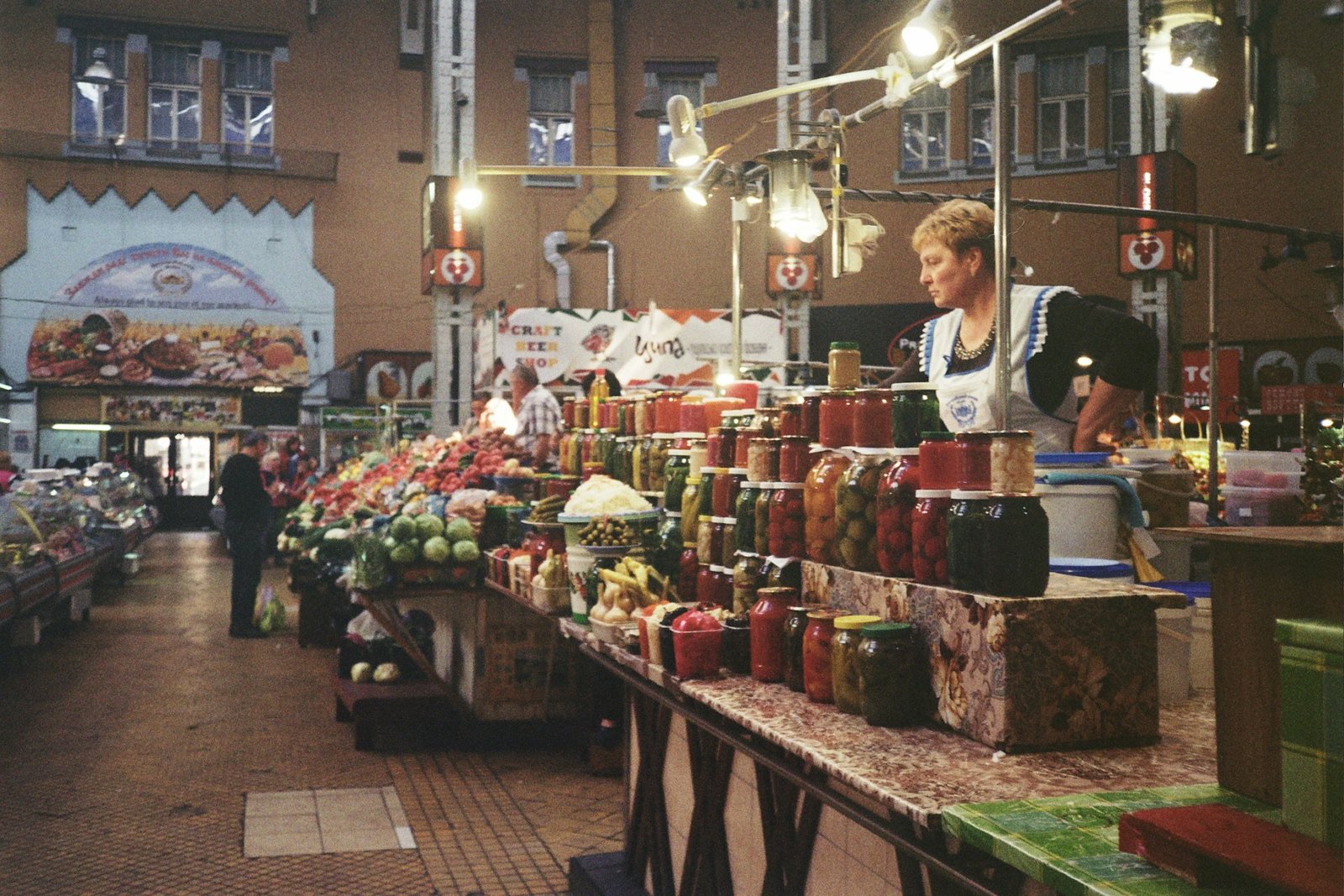
European markets aren’t just tourist attractions—they’re where locals actually shop. Hit them an hour before closing for deals on fresh produce and prepared foods.
The One Meal Rule
Here’s my compromise: I budget for one proper restaurant meal per city. The rest is supermarket runs, market snacks, and the occasional kebab at 2 AM (which, let’s be honest, often tastes better than the fancy restaurant meal anyway).
Destination Selection: Not All European Cities Are Created Equal
Eastern Europe: The Budget Traveler’s Paradise
Prague, Budapest, Krakow, Sofia—these cities offer everything Western Europe does at fraction of the cost. I spent two weeks in Czech Republic for what three days in Switzerland would have cost me.
- Prague, Czech Republic – Medieval charm, $2 beers
- Budapest, Hungary – Thermal baths, stunning architecture, cheap everything
- Krakow, Poland – History, pierogi, and prices that’ll make you weep with joy
- Sofia, Bulgaria – Europe’s best-kept secret
Timing Is Everything
August in Europe is like Black Friday shopping—crowded, overpriced, and generally unpleasant. May and September are the sweet spots: good weather, fewer crowds, shoulder season prices.
I learned this the hard way when I paid $80 for a hostel bed in Rome in August that would have cost $25 in October.
Free Entertainment: Europe’s Best-Kept Secrets
Walking Tours
Every major European city has free walking tours. They work on tips, so you pay what you think it’s worth. I’ve had tour guides who were better than any history professor I ever had.
Museums and Galleries
Most European cities have free museum days or hours. Paris museums are free the first Sunday of each month. London’s major museums are always free. Do your research—it pays off.
Parks and Architecture
This might sound obvious, but Europe’s cities are outdoor museums. Some of my best travel memories are from wandering through parks, admiring architecture, and people-watching in squares. All free.
Money-Saving Hacks I Wish I’d Known Earlier
City Tourism Cards
These used to be tourist traps, but many cities now offer genuinely good deals. The Berlin Welcome Card saved me about $60 over three days.
Student Discounts
If you’re a student, carry that ID everywhere. If you’re not a student but look young enough, well… I’m not suggesting anything, but I’m not not suggesting it either.
Happy Hours and Daily Specials
European cities have happy hour cultures that put American bars to shame. Prague’s beer gardens, Barcelona’s vermouth hours, Berlin’s späti culture—embrace the local drinking customs.
Technology That Actually Helps
Apps Worth Downloading
- Rome2Rio – Compares transport options and costs
- Citymapper – Navigation for major European cities
- XE Currency – Because mental math with exchange rates is impossible after a few European beverages
- Google Translate – The camera function for menus is life-changing

WiFi Strategy
Don’t rely on expensive roaming. Most European cities have excellent free WiFi coverage. Download offline maps and transit apps before you lose connection.
The Mistakes Everyone Makes (Including Me)
Over-Packing
I dragged a 70-liter backpack through Europe like I was moving permanently. By week three, I was wearing the same five items and cursing my past self. Pack light, do laundry more often.
Not Checking Bank Fees
My bank charged me $3 for every ATM withdrawal abroad. After 40 withdrawals, I’d basically paid for an extra week of travel in fees alone. Get a travel-friendly bank account before you go.
FOMO Spending
Just because you’re in Paris doesn’t mean you need to eat at the Eiffel Tower restaurant. Some experiences are overpriced tourist traps dressed up as “once in a lifetime” opportunities.
Sample Budget Breakdown
Here’s what three weeks in Europe actually cost me (in 2023):
| Category | Budget Option | Mid-Range Option |
|---|---|---|
| Flights (US-Europe return) | $400 | $700 |
| Accommodation (per night) | $25-35 (hostels/shared) | $60-80 (private rooms) |
| Transportation | $300 (Eurail Pass) | $500 (mix of flights/trains) |
| Food (per day) | $20-25 (mostly self-catered) | $40-50 (mix of restaurants) |
| Activities | $10-15/day (free tours, museums) | $25-30/day (paid attractions) |
| Total (3 weeks) | $1,800-2,100 | $2,800-3,200 |
When Things Go Wrong (Because They Will)
I missed a flight in Barcelona because I confused AM and PM (yes, really). Spent an unplanned night in the airport and learned that Barcelona airport benches are surprisingly comfortable. Sometimes travel disasters become the best stories.
Keep a small emergency fund—maybe $200-300 you pretend doesn’t exist. When (not if) something goes sideways, you’ll be grateful for the buffer.
The Real Talk About Budget Travel
Budget travel in Europe isn’t always Instagram-pretty. You’ll eat more pasta than is medically advisable. You’ll walk until your feet hate you. You’ll sometimes sleep in rooms that smell like cheese (and not the good kind).
But here’s what nobody tells you: those imperfect moments often become your favorite memories. The night I got lost in Prague and ended up in a local pub where nobody spoke English but everyone bought me drinks. The morning I woke up in a Budapest hostel to find my bunkmate had left me half a sandwich and a note in broken English saying “for breakfast friend.”
Budget travel strips away the comfortable barriers between you and the world. It forces you to be resourceful, to talk to strangers, to find joy in simple things. Yeah, it’s challenging. But it’s also transformative in ways that luxury travel rarely is.
Your Next Steps
Stop researching and start booking. I know, I know—there’s always more to plan, more to optimize. But I’ve met too many people who spent years planning the perfect European trip and never actually took it.
Pick three countries. Book a flight. Figure out the rest when you get there. Europe has excellent infrastructure; you’re not heading into the wilderness. If I could stumble through it with my questionable planning skills and even more questionable sense of direction, so can you.
The memories are waiting. Your bank account will recover. Your stories will last forever.
Frequently Asked Questions
Question: How much should I budget for 2 weeks in Europe?
Answer: For budget travel, plan for $100-150 per day including accommodation, food, transport, and activities. This gives you $1,400-2,100 for two weeks, not including international flights.
Question: What’s the cheapest month to travel to Europe? Answer: November through March (excluding holidays) offers the lowest prices, but weather can be challenging. May and September provide the best balance of good weather and reasonable prices.
Question: Are hostels safe for solo travelers? Answer: Yes, hostels are generally very safe, especially those with good reviews on booking sites. Choose hostels with 24-hour reception, lockers, and good lighting in common areas.
Question: How far in advance should I book European flights? Answer: Book 6-8 weeks in advance for the best deals. Tuesday and Wednesday departures are typically cheaper than weekend flights.
Question: Is it cheaper to buy a Eurail Pass or individual train tickets? Answer: Eurail passes are cost-effective if you’re visiting 4+ countries or taking long-distance routes. For regional travel or fewer destinations, individual tickets are usually cheaper.
Question: What’s the best way to exchange money in Europe? Answer: Use ATMs for the best exchange rates, but check your bank’s foreign transaction fees first. Avoid airport exchange counters and tourist area money changers.
Question: How much cash should I carry while traveling in Europe? Answer: Carry €100-200 in cash for emergencies, small vendors, and tips. Most places accept cards, but some smaller establishments and markets are cash-only.
Question: Can I travel Europe without knowing the local languages? Answer: Absolutely. English is widely spoken in tourist areas, and translation apps help elsewhere. Learning basic phrases like “please,” “thank you,” and “excuse me” goes a long way.
Question: What’s the cheapest way to get around European cities? Answer: Public transportation passes are usually the best value. Many cities offer day or week passes that include buses, trains, and trams. Walking is free and often faster than driving.
Question: How do I find cheap accommodation in Europe? Answer: Book hostels through Hostelworld or Booking.com, consider apartment shares, look into house sitting opportunities, or contact small guesthouses directly for better rates.
Question: What should I pack for budget travel in Europe? Answer: Pack light with versatile clothing, comfortable walking shoes, a universal adapter, portable charger, and basic first aid supplies. Laundry is available everywhere, so don’t overpack.
Question: Are European budget airlines reliable? Answer: Yes, but read the fine print carefully. Budget airlines like Ryanair and EasyJet have strict baggage policies and charge for extras, but they’re generally punctual and safe.
Top Products and Travel Recommendations
Transportation:
- Eurail Pass – Flexible train travel across 33 European countries
- FlixBus – Affordable bus network connecting 2,500+ destinations
- Rome2Rio – Transport comparison platform for route planning
- Skyscanner – Flight comparison tool with price alerts
Accommodation:
5. Hostelworld – Largest hostel booking platform worldwide
6. TrustedHousesitters – House sitting opportunities for free accommodation
7. Generator Hostels – Stylish hostel chain in major European cities
8. Booking.com – Comprehensive accommodation booking with good hostel deals
Money & Banking:
9. Wise Travel Card – Multi-currency card with low foreign exchange fees
10. Revolut – Digital banking app with free currency exchange
Travel Gear:
11. Osprey Farpoint 40 – Perfect carry-on sized travel backpack
12. Anker Portable Charger – Reliable power bank for devices
13. Universal Travel Adapter – Works in all European countries
Apps & Services:
14. Citymapper – Navigation app for major European cities
15. XE Currency – Real-time currency converter
16. Google Translate – Essential for communication barriers
Food & Dining:
17. Lidl – Budget supermarket chain across Europe
18. Too Good To Go – App for discounted surplus food from restaurants
Activities:
19. GetYourGuide – Booking platform for tours and activities
20. SANDEMANs New Europe – Free walking tours in major European cities




Thanks for sharing. I read many of your blog posts, cool, your blog is very good.