
Miami is, I think, less of a city and more of a fever dream that someone decided to pave over. It’s a place where the humidity hugs you like a needy relative and the architecture looks like it was designed by someone who really, really liked pastel highlighters. Perhap that’s the charm. We’re told it’s all neon and white sand—and it is, mostly—but there’s a strange, jagged reality beneath the Versace-filtered surface.
You come for the “top ten” lists, the ones that promise life-changing ceviche and the “real” Little Havana, as if the rest of the city were a rehearsal. And maybe it is. Between the aggressive luxury of the Design District and the swampy, alligator-adjacent quiet of the Everglades, Miami is a series of contradictions that shouldn’t work. It’s loud, it’s expensive, and the traffic is a special kind of purgatory. Yet, somehow, when the sun hits the Art Deco skyline at that specific, golden hour—the one influencers would kill for—it feels almost honest. I’m not saying these ten experiences will solve your life, but they’re a start. Or at least a very pretty distraction.
1. South Beach: Yes, It’s Touristy. No, You Shouldn’t Skip It.
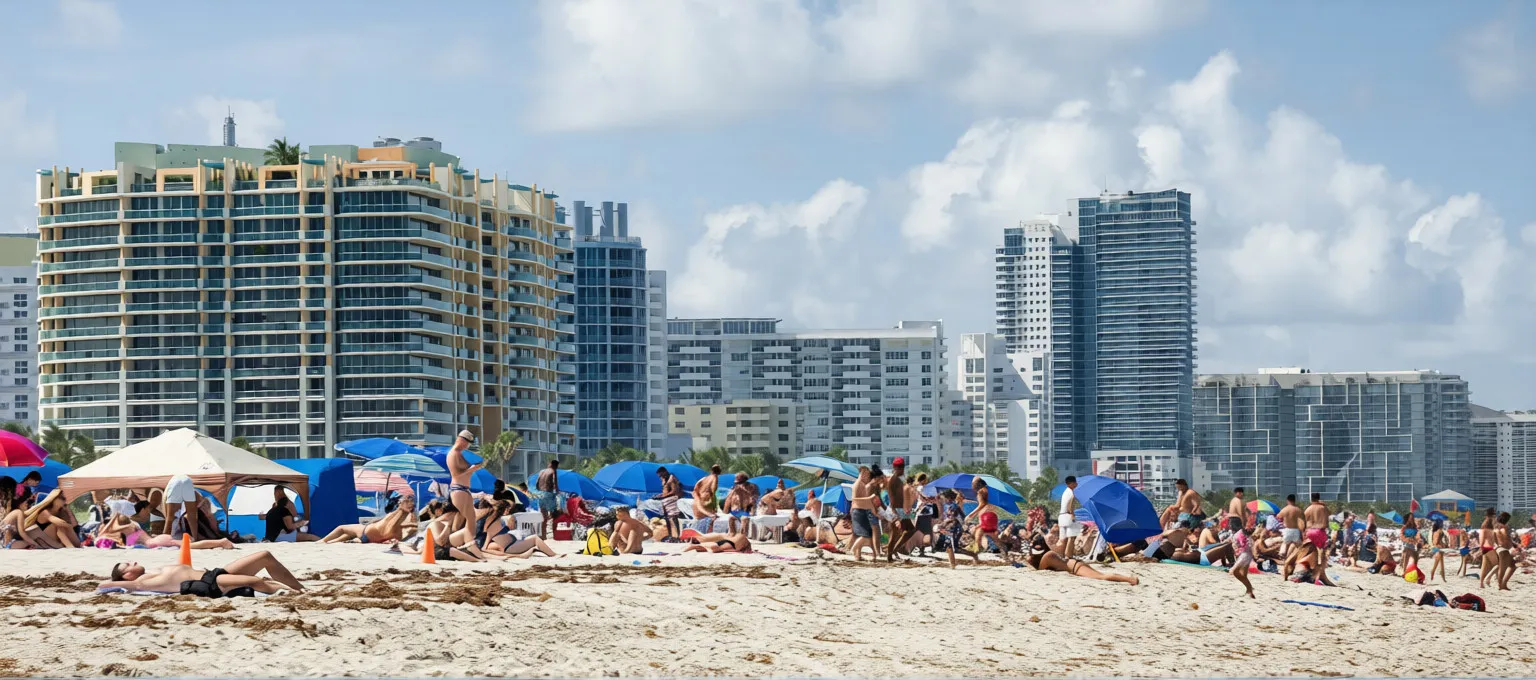
South Beach is like that friend who’s undeniably popular but actually deserves the hype. Sure, you’ll encounter selfie sticks and overpriced umbrella rentals, but there’s something almost magical about that stretch of sugar-white sand meeting impossibly turquoise water.
I remember my first morning there—I’d gotten up ridiculously early to beat the crowds (pro tip: go before 9 AM if you want decent photos without photobombing someone’s engagement shoot). The sun was just hitting the pastel lifeguard stands, and I thought, “Okay, I get it now.”
The water here isn’t just warm; it’s like stepping into a bathtub that someone forgot to drain. And the people-watching? Unparalleled. Where else can you see a grandmother doing tai chi next to a guy juggling fire while someone else’s tiny dog wears designer sunglasses?

2. Art Deco Historic District: Architecture That Actually Tells Stories
Walking through the Art Deco District feels like stepping onto a movie set, except the movies are all from different decades and someone turned up the saturation to 11. This isn’t just about pretty buildings (though they are ridiculously photogenic)—it’s about understanding how Miami became Miami.
The Miami Design Preservation League offers walking tours, but honestly? Just wandering with your eyes open works too. Each building has these little details—the curved corners, the neon signs, the way shadows fall across geometric patterns—that make you realize someone really, genuinely cared about making everyday structures beautiful.
I spent an embarrassing amount of time photographing doorknobs and hotel signs, but that’s the thing about good design: it makes you notice things you normally wouldn’t.
3. Little Havana: Where Authenticity Lives and Breathes
Forget everything you think you know about Miami’s Cuban culture from movies. Little Havana isn’t a theme park—it’s a living, breathing neighborhood where people actually live, work, and perfect the art of café Cubano.
Calle Ocho (8th Street) is the main drag, but the real magic happens in the side streets and family-owned establishments. At Domino Park, old-timers gather to play dominoes with the kind of intensity usually reserved for international chess tournaments. The clicking of tiles, rapid-fire Spanish, and occasional triumphant shouts create this incredible soundtrack that you can’t get on Spotify.
And the food—oh, the food. I had my first proper Cuban sandwich at Versailles Restaurant, and it was one of those moments where you realize you’ve been eating inferior sandwiches your entire life. The pork is tender enough to cut with a harsh look, and the pickles have just enough bite to keep things interesting.

4. Wynwood Walls: Street Art That Became High Art
Wynwood Walls is what happens when someone decides that blank walls are a wasted opportunity. This outdoor museum showcases murals from artists around the world, and it’s constantly evolving—which means no two visits are quite the same.
I’ll admit, I was skeptical at first. “Street art in a controlled environment” felt a bit like “wild animals in a zoo”—technically accurate but missing something essential. But walking through those colorful corridors, seeing how each piece interacts with its neighbors, changed my mind completely.
The best part? It’s free. In a city where a cocktail can cost more than a decent meal elsewhere, Wynwood Walls proves that some of the best experiences don’t require opening your wallet.
5. Vizcaya Museum and Gardens: European Fantasy in Tropical Reality
Vizcaya is what happens when an early 20th-century industrialist has unlimited money and very specific ideas about architecture. James Deering basically said, “I want a 16th-century Italian villa, but make it Miami,” and somehow it works.
The formal gardens are Instagram-ready (and you’ll definitely see people posing), but try to spend some time actually looking at the craftsmanship. The attention to detail is absurd—hand-carved ceilings, imported European furnishings, and gardens that look like someone’s idealized memory of visiting Europe.
It’s gloriously, unapologetically over-the-top in the best possible way.
6. Miami’s Food Scene: Beyond Cuban Sandwiches
Miami’s dining scene is having a moment—or perhaps several interconnected moments happening simultaneously. You’ve got celebrity chef establishments, hole-in-the-wall gems, and everything in between.
Joe’s Stone Crab is a Miami institution that’s been serving stone crab since 1913. Yes, it’s touristy. Yes, there’s usually a wait. But there’s something deeply satisfying about cracking into a perfectly cooked stone crab claw while sitting in a restaurant that’s been doing the same thing for over a century.
For something more contemporary, Zuma offers Japanese cuisine with Miami flair. The sushi is pristine, but it’s the energy of the place—the way conversations flow between English, Spanish, and Portuguese—that makes it quintessentially Miami.
7. Nightlife That Defies Simple Categories
Miami nightlife isn’t just clubs and bottle service (though both exist in abundance). Ball & Chain in Little Havana offers live salsa music and dancing that ranges from expertly choreographed to “I’m definitely going to step on your feet, but we’re both having fun.”
For something more underground, the bars in the Broken Shaker at the Freehand Miami serve cocktails that taste like someone took tropical flavors seriously but added just enough creativity to keep things interesting.
8. Key Biscayne: The Local’s Beach Escape
When Miami locals want to escape Miami tourists, they head to Key Biscayne. Crandon Park Beach offers the same beautiful water as South Beach but with significantly fewer people trying to become social media influencers.
The drive over the Rickenbacker Causeway alone is worth it—you get these incredible views of the Miami skyline from the water, and it’s one of those moments where you think, “I can’t believe this is real life.”
9. Everglades National Park: Nature’s Reminder About Perspective
Okay, technically the Everglades isn’t in Miami, but it’s close enough and important enough to include. After days of art galleries and beach clubs, there’s something profoundly grounding about stepping into this vast, ancient ecosystem.
The airboat tours feel touristy until you’re actually gliding through sawgrass prairies and realize you’re in one of the most unique landscapes on Earth. And yes, you’ll probably see alligators. Lots of them. Just floating there like logs that could eat you.
10. Sunset at Bayfront Park: Free Magic Hour
Bayfront Park offers something that expensive rooftop bars charge premium prices for—incredible sunset views over Biscayne Bay. It’s free, accessible, and consistently gorgeous.
I’ve watched probably fifty sunsets from this spot, and each one feels slightly different. Maybe it’s the way the light reflects off the downtown buildings, or how the boats in the marina create these perfect little silhouettes. Whatever it is, it never gets old.
The Thing About Miami
Here’s what I’ve learned about Miami after three years of living here: it’s a city that rewards curiosity. The obvious attractions are genuinely worth visiting, but the magic happens in the spaces between—the conversation you strike up at a Little Havana café, the mural you discover down an unmarked alley, the way the light hits the water at exactly 6:47 PM on a random Tuesday.
Miami isn’t trying to be anything other than itself, which is simultaneously flashy and soulful, international and deeply local, brand new and surprisingly historic. It’s a city that somehow makes sense of contradictions, and maybe that’s the most Miami thing of all.
Top Miami Travel Recommendations
- The Setai Miami Beach – Luxury oceanfront hotel with Art Deco charm and impeccable service
- Edition Miami Beach – Modern luxury hotel designed by Ian Schrager with stunning nightclub and restaurants
- Fontainebleau Miami Beach – Iconic resort with multiple pools, restaurants, and entertainment venues
- Joe’s Stone Crab – Historic restaurant serving the best stone crabs in Miami since 1913
- Zuma Miami – Contemporary Japanese cuisine with sophisticated atmosphere
- Ball & Chain – Live salsa music and dancing in the heart of Little Havana
- Broken Shaker – Award-winning craft cocktail bar with tropical garden setting
- Miami Design District – High-end shopping and dining destination with impressive architecture
- Pérez Art Museum Miami – Contemporary art museum with stunning bayfront views
- Villa Vizcaya – Historic house museum with European-inspired architecture and gardens
Frequently Asked Questions
What is the best time to visit Miami? Answer: The best time to visit Miami is from December to April when temperatures are comfortable (70-80°F) and humidity is lower. This is peak season, so expect higher prices and crowds.
How many days do you need in Miami? Answer: You need at least 4-5 days to experience Miami’s main attractions, including beaches, cultural districts, and nightlife. A week allows for day trips to the Everglades or Keys.
Is Miami expensive to visit? Answer: Miami can be expensive, especially during peak season. Budget $150-300+ per night for hotels, $50-100+ for dinner at popular restaurants, and $15-25 for cocktails at trendy bars.
What should I wear in Miami? Answer: Light, breathable clothing is essential. Pack swimwear, sundresses, linen shirts, comfortable walking shoes, and a light jacket for air-conditioned spaces and evening breezes.
Is South Beach worth visiting? Answer: Yes, South Beach is worth visiting despite being touristy. The Art Deco architecture, beautiful sand, and vibrant atmosphere make it a must-see Miami experience.
How do you get around Miami without a car? Answer: Miami has public transportation (Metromover, Metrobus, Metrorail), rideshare services, bike rentals, and walkable neighborhoods like South Beach and Wynwood.
What food is Miami famous for? Answer: Miami is famous for Cuban cuisine (especially Cuban sandwiches), stone crab, ceviche, Key lime pie, and innovative fusion restaurants reflecting its diverse cultural influences.
Is Little Havana safe for tourists? Answer: Yes, Little Havana is generally safe for tourists during daytime hours. Stick to main streets like Calle Ocho and use common sense when exploring.
Can you swim in Miami beaches year-round? Answer: Yes, Miami’s ocean temperature ranges from 72-84°F throughout the year, making swimming comfortable in all seasons, though winter months may feel cooler.
What’s the difference between Miami and Miami Beach? Answer: Miami is the mainland city, while Miami Beach is a separate barrier island city connected by causeways. Miami Beach includes South Beach and is where most beach activities occur.