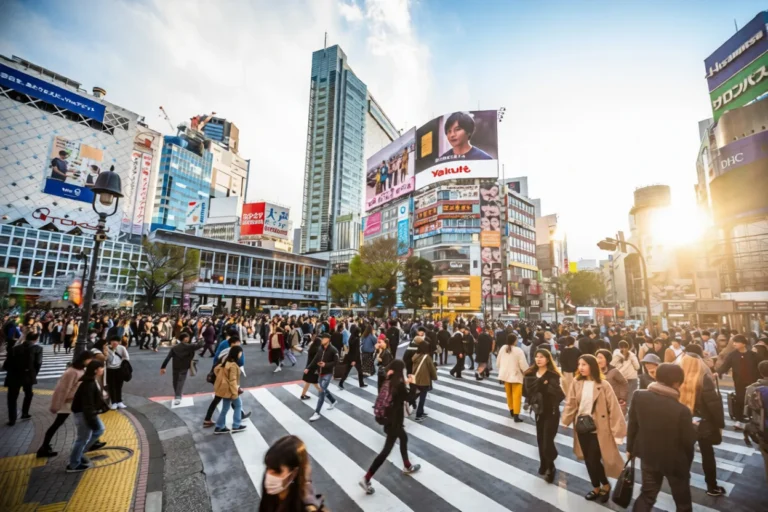
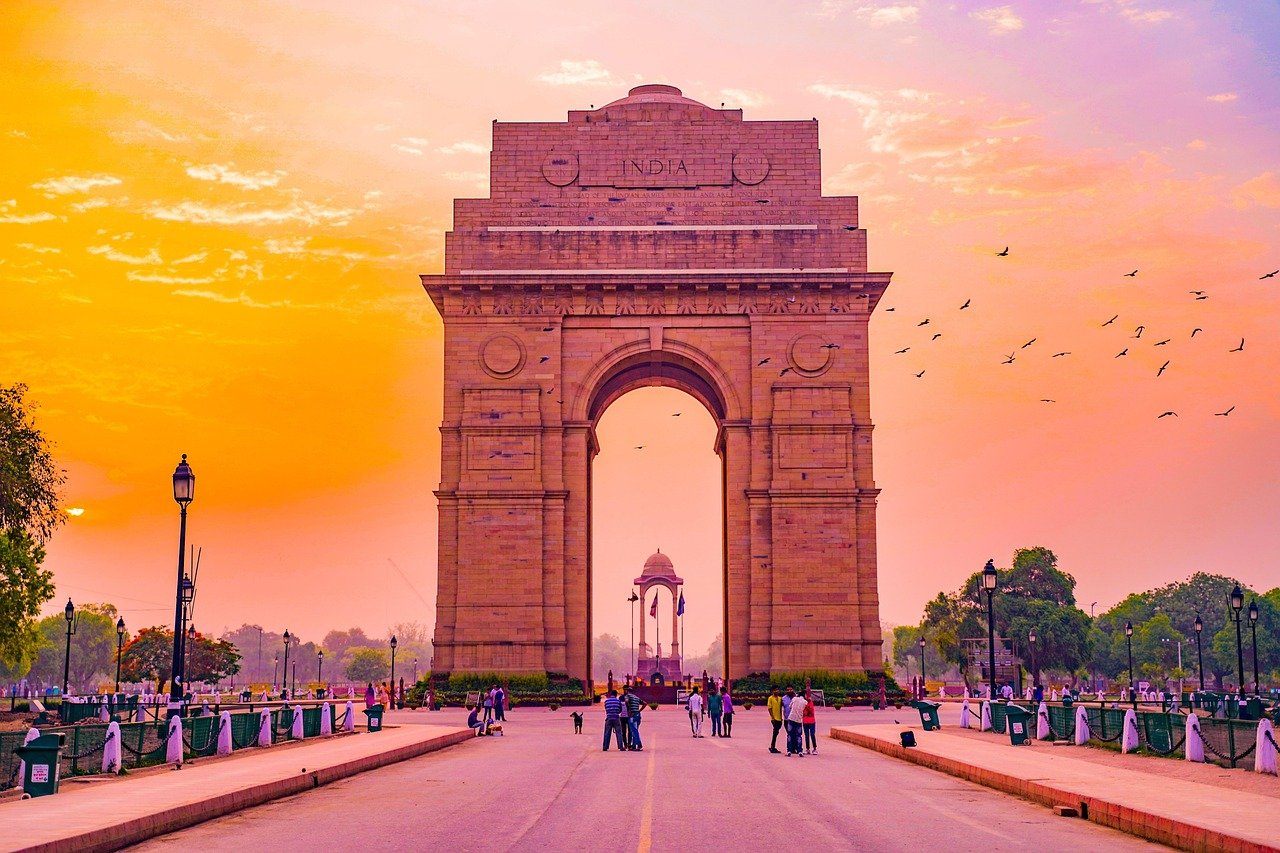

India. Just saying the name probably conjures up a thousand images—crowded markets, golden temples, that Instagram-worthy chai in a clay cup. But here’s the thing: no amount of scrolling through Pinterest boards or watching YouTube vlogs fully prepares you for the actual, visceral experience of landing in Delhi or Mumbai for the first time.
I remember my first trip. I’d done my research, read the blogs, packed the “right” clothes. And yet, within approximately 47 minutes of stepping outside Indira Gandhi International Airport, I was utterly, beautifully overwhelmed. The heat hit like opening an oven door. The traffic operated on some cosmic logic I couldn’t decode. And someone was trying to sell me a SIM card, a taxi ride, and what appeared to be a decorative elephant statue—all at once.
That’s India. Chaotic, yes. But also magnetic in ways that’ll stick with you long after you’ve washed the dust off your backpack.
So if you’re planning your first trip to this gloriously unpredictable country, let me save you from at least a few of my rookie mistakes. This isn’t your typical “pack light and smile” travel guide. These are the real, practical, sometimes weird things I wish someone had told me before I boarded that flight.
Understanding the Visa Situation (Because It Actually Matters)
Let’s start with the boring-but-essential stuff. You need a visa. Period. Unless you’re from Nepal or Bhutan—and if you are, well, you probably don’t need this guide.
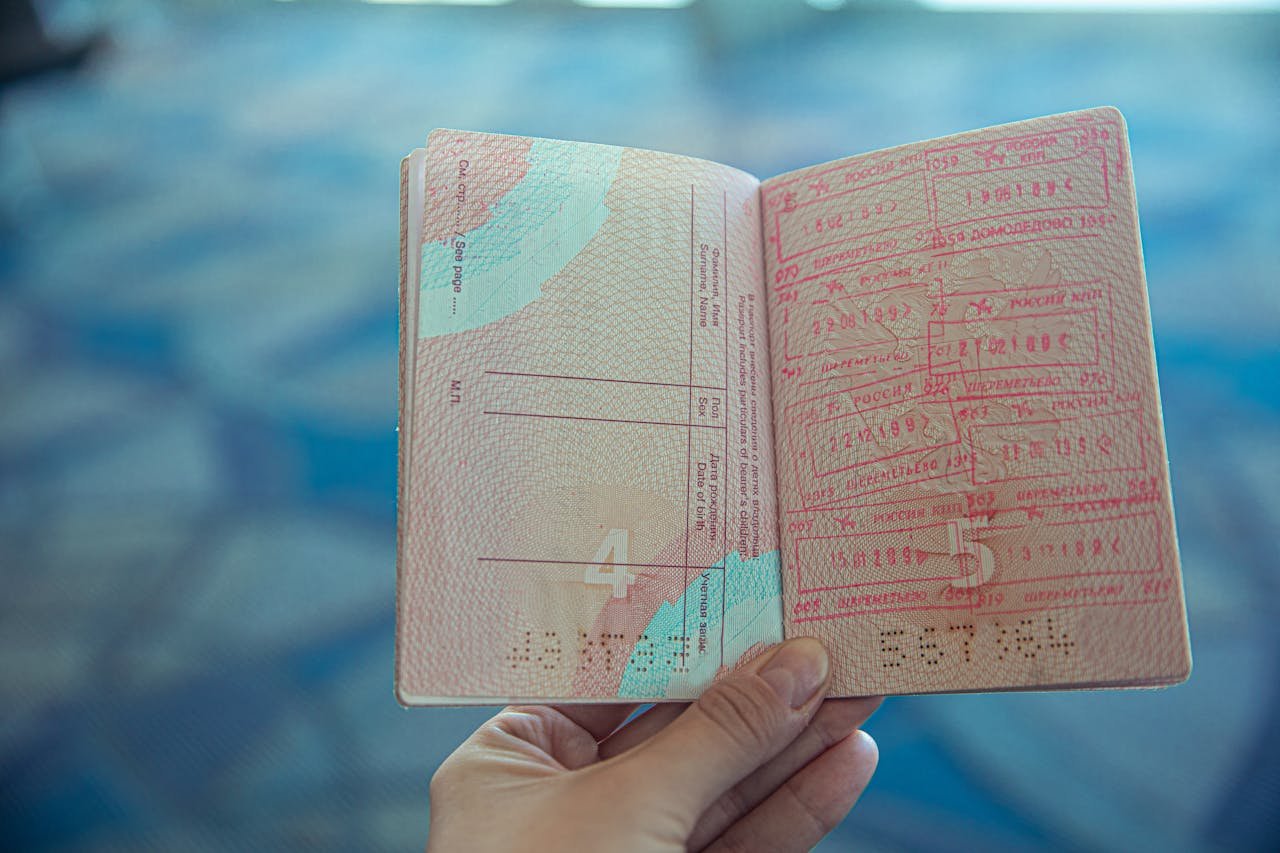
The Indian e-Visa system is actually pretty straightforward now. You can apply online, usually get approval within a few days, and you’re sorted. But here’s what the official sites don’t always emphasize: your passport photo requirements are weirdly specific. White background, no smiling (apparently happiness is suspicious?), ears visible. I’ve seen applications rejected for dumber reasons.
Apply at least a week before your flight. Not because it takes that long, but because Murphy’s Law applies to international travel documentation. Also, print a physical copy of your e-Visa approval. Yes, even though it’s electronic. Trust me on this one.
Money Matters: Cash Is Still King (Sort Of)
Essential India travel tips for first-timers function almost like a good pre-flight stretch. Nobody really asks for them, but later you quietly thank the universe you had them. India is fantastic and complicated and—perhap—just slightly overwhelming when you land the first time. The country does not come toward you slowly. It lands directly on your face. In a good way. And in an occasionally chaotic way you learn to enjoy.
Useful orientation matters. Because the biggest mistake I notice with first-timers is not the packing or the hotel choice or the “should I eat street food?” anxiety. It’s the expectation calibration. India rewards the traveler who is alert, flexible, gentle with themselves. If you arrive expecting frictionless transitions like a Scandinavian airport, your cortex will rebel. If you land expecting surprise, texture, and the occasional wonderfully absurd contradiction—your trip weirdly becomes calmer.
Simple things—SIM cards at the airport, paying in UPI, pre-booking trains before you arrive, conservative clothing even when it is 36°C, accepting that queues are elastic, not moral—change everything.
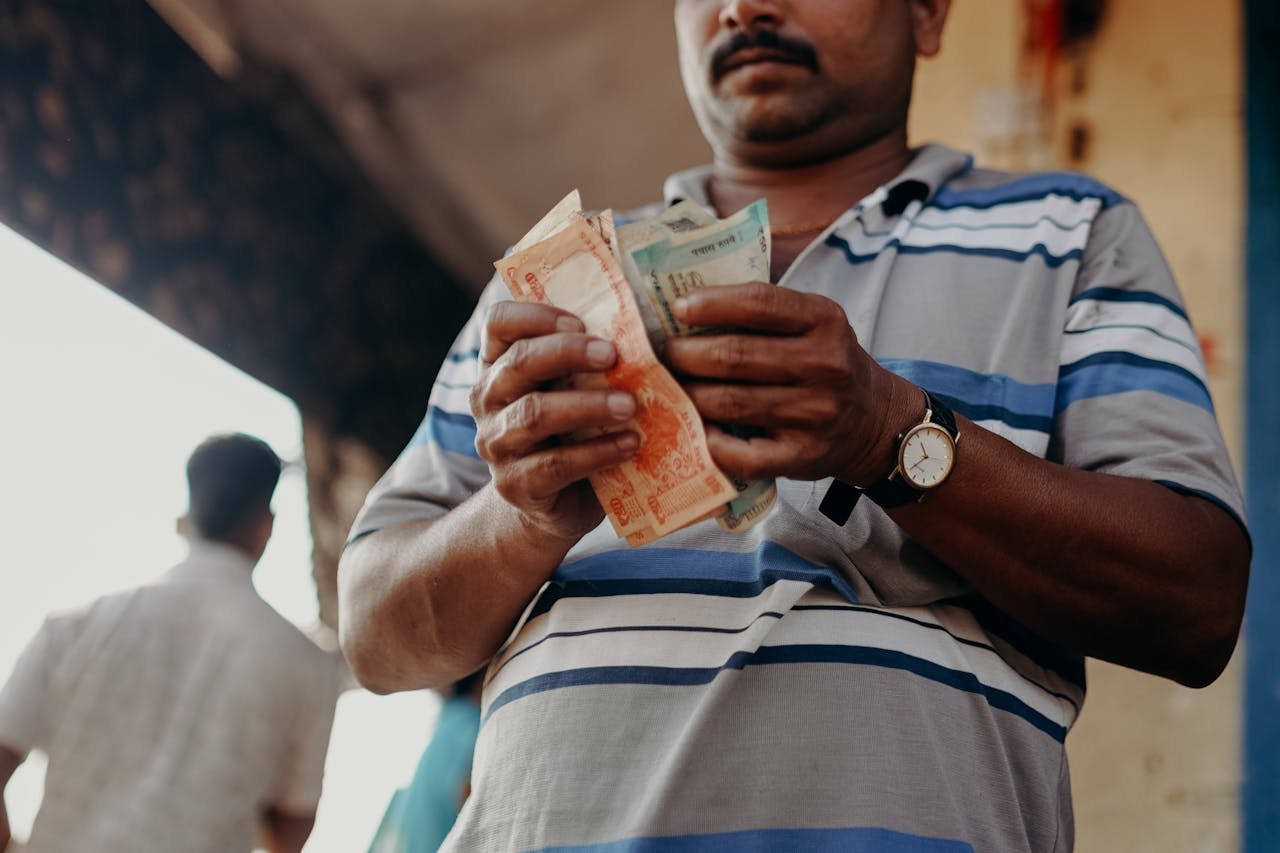
Pro tip: Carry smaller bills. Breaking a 500 or 2000 rupee note at a small shop is like asking them to split the atom. They’ll give you the look. You know the one.
Also, notify your bank before you leave. I know, everyone says this, but people still forget. Then they’re standing in Varanasi with a frozen card and a growing sense of panic.
The Food Will Test You (In the Best Way)
Let’s address the elephant in the room—or rather, the bacteria in the water. Yes, Delhi Belly is real. Yes, you might get it anyway despite your best precautions. But please, don’t let fear rob you of experiencing Indian food the way it’s meant to be experienced.
Here’s my actual advice: bottled water only (check the seal), avoid raw vegetables in the first few days while your stomach adjusts, and perhaps ease into the street food rather than going full throttle on day one. But don’t skip it entirely. That would be tragic.
The Swagath Restaurant chain across major cities is pretty reliable for first-timers. Saravana Bhavan serves incredible South Indian vegetarian food that’s both delicious and generally safe. But honestly? Some of my best meals came from tiny, nameless places where the only other customers were local families.
Carry Imodium in your bag. I’m not saying you’ll need it. I’m saying you’ll feel better knowing it’s there, like a security blanket that treats gastrointestinal distress.
Dress the Part (But Not Like a Bollywood Extra)
India’s conservative in ways that can surprise Western travelers. This doesn’t mean you need to dress like you’re attending a religious ceremony 24/7, but it does mean that tank tops and short shorts will attract unwanted attention—particularly in smaller cities and religious sites.
I packed mostly loose cotton pants, lightweight long-sleeve shirts, and a scarf that doubled as a temple head covering. Sounds boring, but honestly, I was comfortable and could blend in better. Plus, that extra fabric layer? Weirdly protective against the sun, pollution, and the occasional overly aggressive mosquito.
Women: consider bringing a dupatta or large scarf. It’s versatile—covers your head at temples, shields you from stares, works as a blanket on freezing AC trains. Men: you can get away with more, as usual, but still skip the muscle shirts unless you’re specifically at a beach resort.
Transportation: Choose Your Own Adventure (Carefully)
Indian traffic operates on principles that Newton himself would struggle to explain. Lanes are suggestions. Honking is communication. And somehow, it all mostly works.
For intercity travel, trains are the romantic, scenic option. IRCTC is the official booking site, though it can be temperamental with foreign cards. Book in advance—popular routes fill up fast. I recommend AC 2-tier or 3-tier for overnight journeys. It’s the sweet spot between budget and “am I actually going to sleep tonight.”
Ola Cabs and Uber work well in major cities. They’re safer than random taxis and the fare is predetermined, which eliminates the awkward negotiation dance.
For shorter distances, auto-rickshaws are part of the experience. Yes, the driver will probably try to overcharge you. Yes, you should negotiate beforehand. No, you won’t win every negotiation. Sometimes you just pay the extra 50 rupees and enjoy the ride.
Accommodation: Beyond the Hotel Lobby
Where you stay shapes your experience more than you’d think. Booking.com and Airbnb have good coverage in India, but don’t overlook homestays and heritage properties.
Places like Neemrana Hotels convert old palaces and forts into accommodations. It’s touristy, sure, but sleeping in a 400-year-old haveli hits different than another generic hotel room. Zostel is solid for budget travelers and has locations across the country—clean, social, and reliable.
Read recent reviews obsessively. “Hot water” might mean a lukewarm trickle. “Wi-Fi available” could mean it works one hour per day in the lobby. I learned this the hard way in Pushkar when my “charming rustic room” turned out to have aggressive wildlife cohabitants.
Connectivity: Stay Online, Stay Sane
Getting an Indian SIM card is one of the smartest things you can do. Airtel and Jio are the main players. You’ll need your passport, a photo, and the patience of a saint because the activation process can take up to 24 hours.
But once it’s active? Cheap data, everywhere. You can navigate, translate, book last-minute hotels, and video call home without hunting for Wi-Fi or bankrupting yourself with international roaming charges.
Having Google Maps working saved me countless times. India’s addresses can be… creative. “Near the big tree past the temple” is genuinely how some places are located.
Health Prep: Boring But Non-Negotiable
Schedule a travel clinic appointment before you go. Depending on your itinerary, you might need vaccines for Hepatitis A, Typhoid, and others. CDC’s India travel page has the official recommendations.
Pack a basic medical kit: band-aids, antiseptic, pain relievers, anti-diarrheal medication, and any prescription meds you need. Indian pharmacies are well-stocked and cheap, but you don’t want to be hunting for Advil at midnight in Udaipur.
Travel insurance. Get it. World Nomads and SafetyWing are popular options. I know it feels like wasted money until the moment you need it, and then it’s worth every penny.
The Scam Awareness Talk
I hate that this section exists, but it needs to. India has its share of scams targeting tourists, and going in aware means you won’t become a victim.
The “closed today” scam at the Taj Mahal or other monuments is classic. A helpful person informs you that your destination is closed (it’s not) and offers to take you to their cousin’s shop or another location instead. Just ignore them and proceed to the actual entrance.
Gem scams, where someone befriends you and convinces you to buy gems to resell at home for profit, are still common. Spoiler: the gems are worthless.
At train stations, only approach official counters or use the IRCTC website. The helpful guys offering to book tickets for you will charge you triple.
Most Indians are genuinely kind and helpful. But stay alert, trust your instincts, and remember that if something sounds too good to be true, it probably involves a timeshare presentation.
Cultural Sensitivity: The Unspoken Rules
India’s a conservative country with deep religious roots. A few things to keep in mind:
Remove your shoes before entering temples, homes, and some shops. Yes, even if the floor looks questionable. Socks are your friend.
Use your right hand for eating, giving/receiving items, and handshakes. The left hand is considered unclean (it’s a bathroom thing—I’ll spare you the details).
Public displays of affection are frowned upon. Even hand-holding can attract stares. Save the romance for your hotel room.
Photography etiquette matters. Don’t photograph people without asking, especially women. Some temples and religious sites prohibit photography entirely. When in doubt, ask.
Packing: What Actually Matters
You’ll overpack. Everyone does. But here are the things I actually used and was grateful for:
A packable daypack for daily excursions. Keeping your main luggage locked up while you explore is clutch.
Quick-dry travel towel. Hotel towels in budget places can be… questionable.
Portable power bank. Your phone will die at the worst possible moment otherwise.
Earplugs and an eye mask. India is not quiet, even at 3 AM.
Hand sanitizer and wet wipes. You’ll understand why after your first squat toilet experience.
The Mental Game: Expectations vs. Reality
Here’s what no guidebook tells you: India will exhaust you. The sensory overload is real. The poverty is visible and heartbreaking. The bureaucracy can be maddening. Some days, you’ll want to book the next flight home.
And then something will happen. A stranger will help you navigate a bus station. You’ll watch sunset at the Ghats in Varanasi and feel something shift inside you. A grandmother selling flowers will smile at you, and somehow that smile will carry more warmth than you’ve felt in months.
India doesn’t reveal herself easily. She demands patience, flexibility, and a willingness to be uncomfortable. But if you can surrender to the chaos rather than fighting it, you’ll have an experience that recalibrates your entire understanding of travel.
Top Travel Resources for India
Here are some genuinely useful tools and services for navigating India:
- Make My Trip – India’s largest travel booking platform; great for hotels, flights, and packages with local pricing
- Clear Trip – Clean interface for booking trains, flights, and hotels; often better foreign card acceptance than IRCTC
- Rough Guides India – Comprehensive destination information with practical tips and cultural insights
- India Mike Forum – Active traveler community answering specific questions about India travel
- Rome2Rio – Shows you all transport options between Indian cities, including obscure bus routes
- XE Currency Converter – Essential for quick rupee conversions to avoid overcharging
- Seat 61 India Rail Guide – The definitive guide to train travel in India, incredibly detailed
- Tripadvisor India – Recent reviews are golden for accommodation and restaurant vetting
- Budget Air India – Often has better deals on domestic Indian flights than booking directly
- GoIbibo – Another local booking platform with good hotel and bus options
- Red Bus – The best platform for booking comfortable sleeper buses between cities
- Zomato – India’s top food delivery and restaurant discovery app with honest reviews
- Thrillophilia – Curated tours and experiences across India, from trekking to cooking classes
- Yatra – Reliable for holiday packages and last-minute hotel deals
- Indian Railways Catering – Order food delivered to your train seat; game-changer for long journeys
Final Thoughts
India isn’t for everyone, and that’s okay. It’s loud, crowded, polluted, and at times deeply frustrating. But it’s also beautiful, spiritual, delicious, and unforgettable in ways that nowhere else on Earth quite manages.
Your first trip won’t be perfect. You’ll make mistakes, miss connections, eat something that disagrees with you. You’ll probably overpay for at least one rickshaw ride and accidentally wander into the wrong section of a temple.
But you’ll also collect stories that you’ll tell for years. You’ll taste flavors that ruin other countries’ curries for you forever. You’ll meet people whose kindness makes you question your own cynicism about humanity.
So pack your patience along with your passport. Bring curiosity instead of rigid expectations. And maybe, just maybe, you’ll understand why people keep returning to this beautifully chaotic country, despite—or perhaps because of—all its challenges.
India doesn’t make it easy. But the things that matter rarely do.
Frequently Asked Questions
Is India safe for first-time travelers?
Answer: India is generally safe for tourists who take basic precautions. Major tourist areas have good security, but stay alert in crowded places, avoid walking alone late at night, and trust your instincts. Petty theft and scams targeting tourists do occur, so keep valuables secure. Women travelers should dress modestly and consider joining group tours in less touristy areas.
What’s the best time to visit India?
Answer: October through March offers the most comfortable weather for most of India, with cooler temperatures and minimal rainfall. November through February is peak season—pleasant weather but higher prices and crowds. Avoid May through June (intense heat) and July through September (monsoon season) unless visiting specific regions like Kerala where monsoon travel has its charm.
How much money do I need per day in India?
Answer: Budget travelers can manage on $30-50 daily (accommodation, food, local transport). Mid-range travelers should budget $75-150 for comfortable hotels, restaurant meals, and tours. Luxury travel starts around $200+ per day. India remains relatively affordable compared to Western countries, but costs vary significantly between destinations and travel styles.
Do I need vaccinations for India?
Answer: The CDC recommends being up-to-date on routine vaccines plus Hepatitis A and Typhoid for India travel. Depending on your itinerary, Hepatitis B, Rabies, Japanese Encephalitis, and Malaria prophylaxis might be advisable. Consult a travel medicine clinic at least 4-6 weeks before departure for personalized recommendations based on your specific travel plans.
What should I wear in India?
Answer: Dress conservatively, especially outside major cities and at religious sites. Lightweight, loose-fitting clothes in natural fabrics work best. Women should pack long skirts or pants and tops covering shoulders and cleavage; men should avoid tank tops and shorts except at beaches. Bring modest swimwear and a scarf for temple visits.
Is Indian street food safe to eat?
Answer: Street food can be safe if you choose wisely. Look for stalls with high turnover, where food is cooked fresh in front of you at high temperatures. Avoid raw items, pre-cut fruits, and anything sitting out uncovered. Start slowly to let your stomach adjust, and always drink bottled water. Many travelers enjoy street food without issues by being selective.
Can I drink tap water in India?
Answer: No, avoid tap water throughout India, including ice cubes in drinks. Stick to sealed bottled water (check the seal is intact), and use bottled water for brushing teeth too. Boiled or filtered water is safe if you’re staying somewhere with proper filtration systems. Most hotels provide complimentary bottled water.
How do I get around in India?
Answer: India offers trains (comfortable and scenic for long distances), domestic flights (time-saving for vast distances), Uber/Ola cabs (safe in cities), auto-rickshaws (bargain beforehand), and hired drivers with cars. Trains require advance booking through IRCTC. Each mode has advantages depending on distance, budget, and comfort preferences.
What’s the tipping culture in India?
Answer: Tipping isn’t mandatory but appreciated. Restaurant bills often include service charges, but adding 5-10% extra for good service is generous. Tip hotel porters 50-100 rupees, housekeeping 50 rupees per night, and drivers 300-500 rupees per day for full-day services. Round up rickshaw fares slightly rather than formal tipping.
Do I need a permit for certain areas in India?
Answer: Yes, some regions require special permits: Ladakh (Inner Line Permit), parts of Sikkim, Arunachal Pradesh, and some islands. Permits are usually arranged through tour operators or online portals. Check current requirements for your specific destinations before booking, as regulations change. Most mainstream tourist destinations don’t require special permits.