
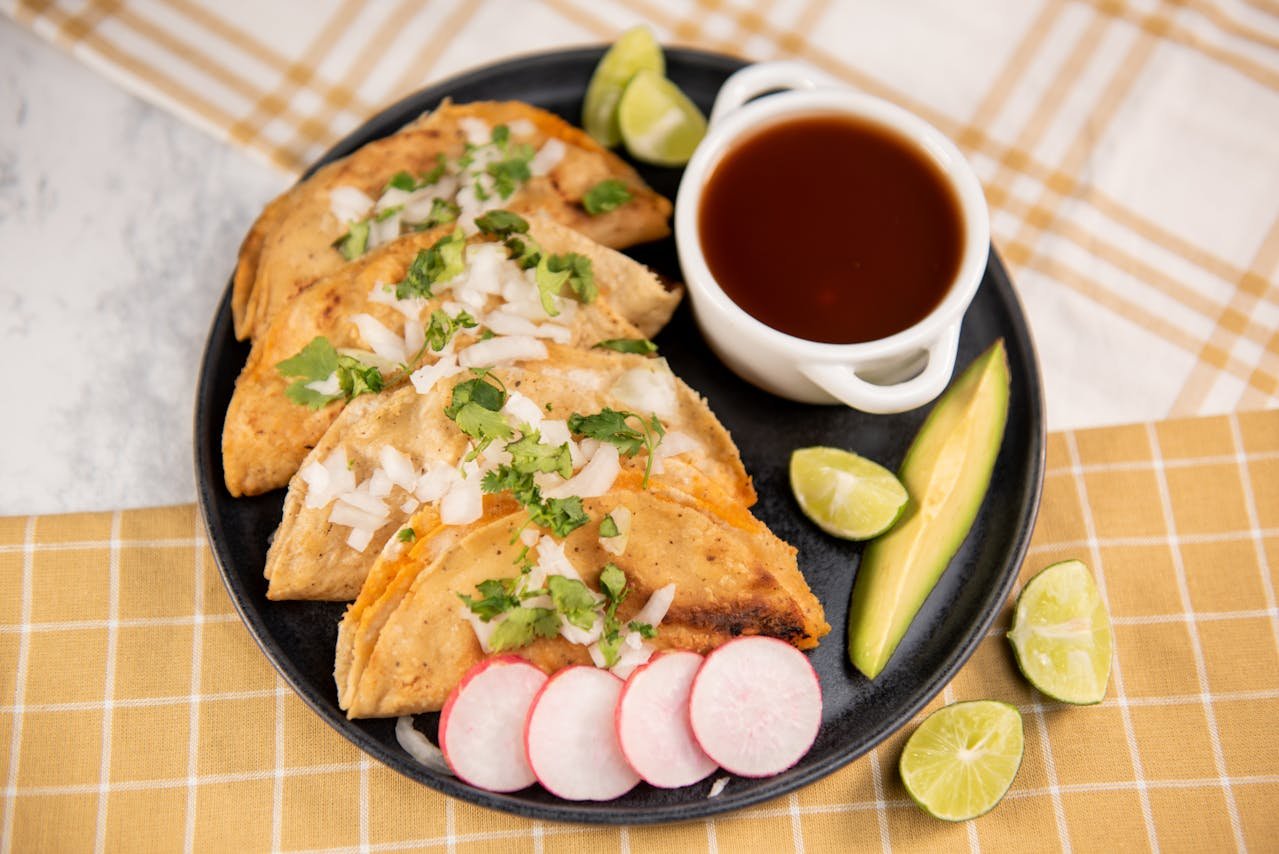
I’ll never forget the first time I bit into a real street taco in Mexico City—not the hard-shell Tex-Mex version I grew up with, but a soft corn tortilla cradling perfectly seasoned al pastor with a squeeze of lime and a sprinkle of fresh cilantro. It was one of those moments where you realize you’ve been eating a pale imitation your entire life. That single taco sent me on a culinary quest through Mexico that I’m still on, years later.
Mexico’s food scene isn’t just about tacos, though they’re undeniably brilliant. It’s a vast, complex tapestry of regional specialties, ancient ingredients, and cooking techniques that date back thousands of years. From the mole-drenched streets of Oaxaca to the seafood shacks of Baja California, Mexican cuisine offers more diversity than most people realize. And honestly? You could spend months eating your way through the country and still only scratch the surface.
Understanding Mexican Cuisine: More Than Just Tacos
Let me be clear about something: Mexican food is one of UNESCO’s Intangible Cultural Heritage of Humanity listings, and for good reason. This isn’t some trendy designation—it’s recognition of a cuisine that blends indigenous Mesoamerican cooking with Spanish colonial influences, creating something entirely unique.
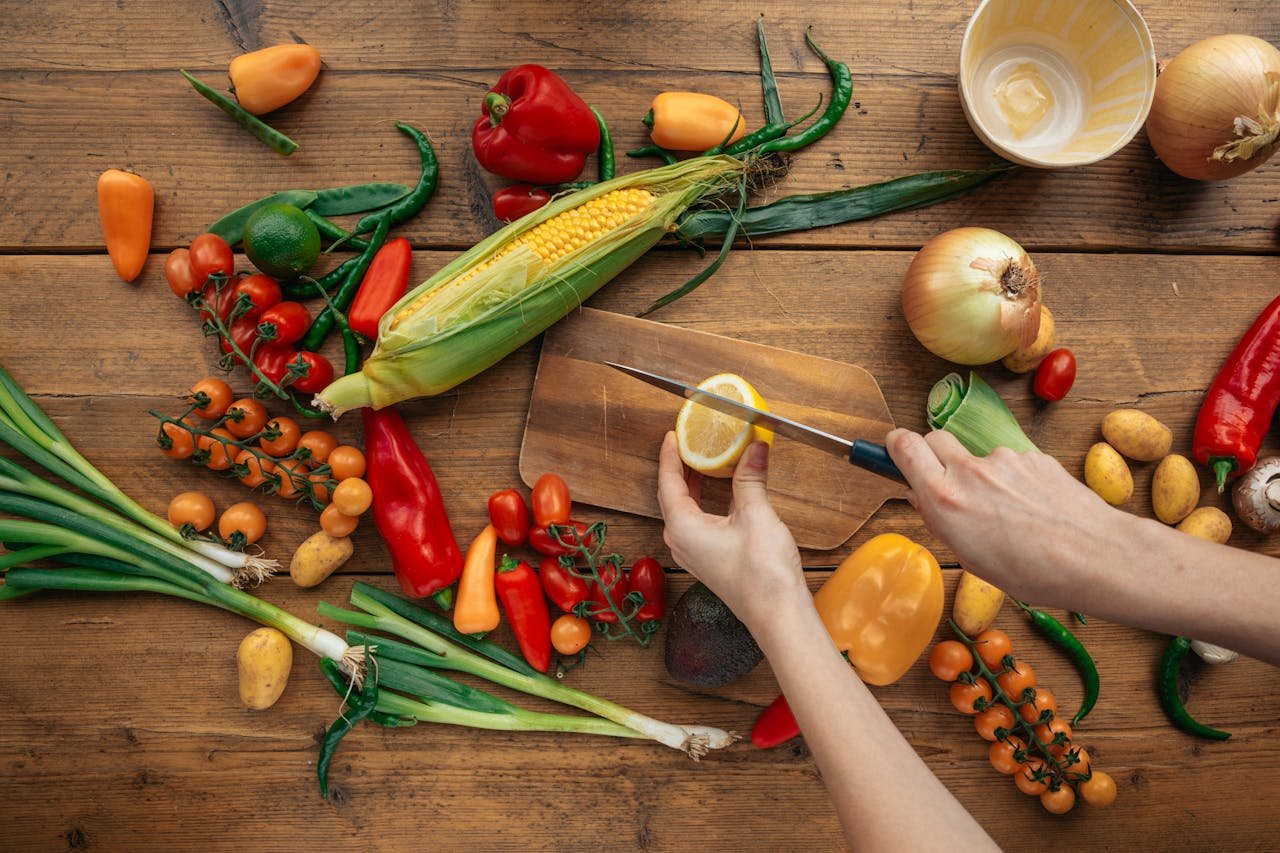
The foundation of Mexican cooking rests on a trinity of ingredients: corn, beans, and chili peppers. These three elements appear in countless variations across the country’s 31 states, each region adding its own twist based on local ingredients and traditions. In coastal areas, you’ll find more seafood. In the interior, meat and complex sauces dominate. The Yucatán Peninsula brings Mayan influences with achiote and citrus. It’s endlessly fascinating, really.
The Essential Foods You Absolutely Must Try
Tacos (But Not What You Think)
Yes, tacos top the list, but perhaps not for the reasons you expect. A proper Mexican taco is a study in simplicity and balance. We’re talking about a small, soft corn tortilla—sometimes doubled up for structural integrity—filled with a single, well-prepared protein and topped with nothing more than onions, cilantro, and maybe a squeeze of lime.
The variations are what make tacos endlessly interesting. Tacos al pastor feature spit-roasted pork marinated in chilies and pineapple, a technique borrowed from Lebanese immigrants. Tacos de carnitas offer slow-braised pork that’s crispy on the outside, tender inside. Then there’s barbacoa (traditionally lamb cooked underground), birria (a rich, spicy stew often from goat), and cochinita pibil (Yucatán-style pork with achiote).
I think what surprises most first-time visitors is how different these are from what they’ve had back home. There’s no cheese avalanche, no sour cream, no iceberg lettuce. Just pure, concentrated flavor.
Mole: The Sauce That Defines Mexican Cooking
If you only try one complex Mexican dish, make it mole. This isn’t just a sauce—it’s an art form that can contain anywhere from 20 to over 100 ingredients, depending on who’s making it and where.
Mole poblano is probably the most famous version, featuring chocolate along with multiple types of chilies, nuts, seeds, spices, and often a touch of fruit. The result is this incredibly layered sauce that’s simultaneously sweet, spicy, savory, and slightly bitter. It’s usually served over chicken or turkey, and it takes hours, sometimes days, to prepare properly.
Oaxaca alone has seven major varieties of mole, from the black mole negro with its smoky depth to the bright, herbaceous mole verde. Each one tells a story about the region and the family that makes it.
Ceviche and Aguachile: Coastal Perfection
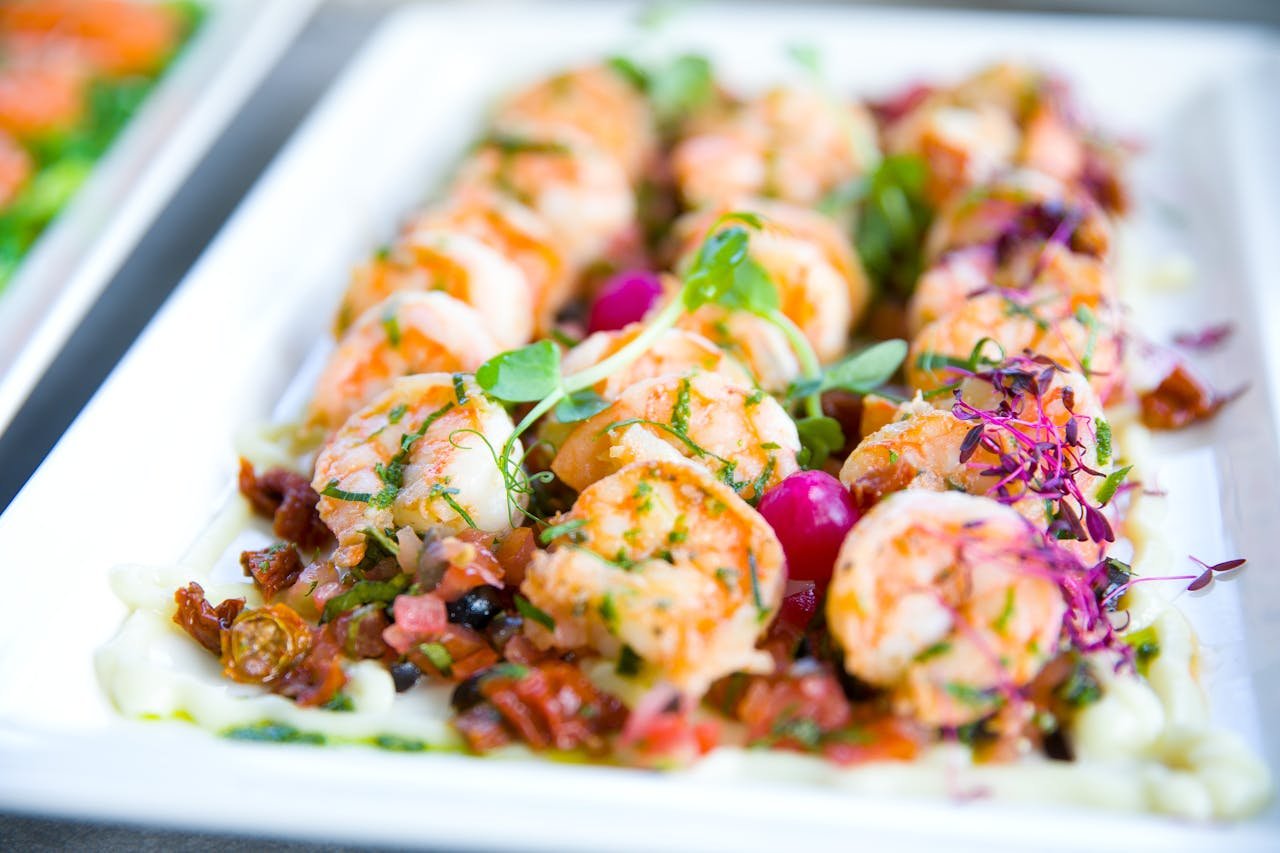
Mexico has nearly 6,000 miles of coastline, so naturally, the seafood is spectacular. Ceviche—raw fish or shrimp “cooked” in citrus juice—appears in endless variations along both coasts. The version from Sinaloa typically uses lime, while Baja California might add orange or grapefruit.
Aguachile takes things even further. This Sinaloan specialty features raw shrimp submerged in a bright green sauce made from chilies, lime, and cucumber. It’s spicy, it’s fresh, and it’s one of those dishes that makes you wonder why you don’t eat this every week back home.
Chiles en Nogada: Patriotic and Delicious
Here’s a dish with a backstory. Chiles en nogada supposedly originated in 1821 when nuns in Puebla created it to celebrate Mexico’s independence. The colors—green chilies, white walnut sauce, and red pomegranate seeds—mirror the Mexican flag.
But beyond the symbolism, this is genuinely one of the most sophisticated dishes in Mexican cuisine. Poblano peppers are stuffed with a mixture of ground meat, fruits, and spices (the picadillo), then topped with a cream sauce made from walnuts and garnished with pomegranate seeds. It’s traditionally served at room temperature during late summer and early autumn when pomegranates are in season.
Pozole: The Ancient Hominy Stew
Pozole has been around since pre-Columbian times—though I’ll spare you the details of the original protein source (let’s just say it’s much better now with pork or chicken). This hearty soup features hominy (large corn kernels treated with lime) in a rich broth that can be red, green, or white depending on the chilies used.
What makes pozole a communal experience is the toppings table. You get shredded cabbage, radishes, oregano, lime wedges, tostadas, and chili powder to customize your bowl. It’s traditionally served on special occasions and holidays, but plenty of restaurants serve it year-round because it’s that good.
Tamales: Portable Perfection
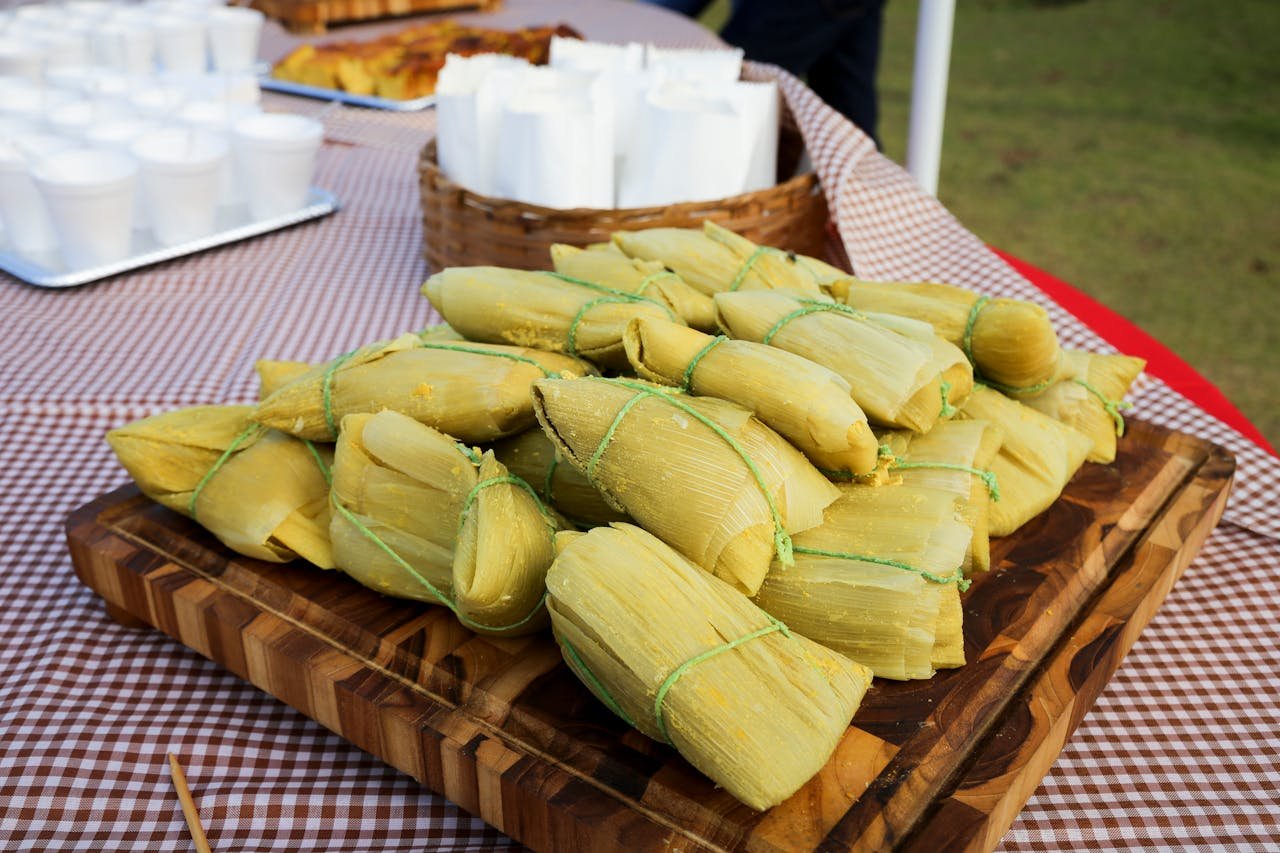
Tamales are basically ancient Mexican fast food—masa (corn dough) filled with meats, cheeses, vegetables, or sweets, wrapped in corn husks or banana leaves, then steamed. They’re portable, filling, and come in what feels like infinite varieties.
The tamales in Oaxaca differ wildly from those in Mexico City, which are nothing like the ones in the Yucatán. Some are savory with mole or salsa verde, others are sweet with pineapple or strawberries. Street vendors sell them in the early morning for breakfast, often paired with atole (a warm, thick corn-based drink).
Tlayudas: Oaxacan Pizza (Sort Of)
Think of tlayudas as Mexican flatbread, though calling them Oaxacan pizza feels reductive. These large, crispy tortillas are topped with refried beans, Oaxacan cheese (quesillo), meat, avocado, and salsa. They’re cooked on a comal until the cheese melts and everything comes together.
You’ll find tlayudas at street stalls throughout Oaxaca, especially late at night when they hit differently after a few mezcals. They’re messy, they’re huge, and they’re absolutely worth the struggle of eating them without everything sliding off.
Cochinita Pibil: Yucatán’s Pride
The Yucatán Peninsula has its own distinct culinary identity, and cochinita pibil might be its most famous dish. Pork is marinated in achiote paste and sour orange juice, then traditionally cooked in an underground pit wrapped in banana leaves.
The result is incredibly tender, slightly tangy meat with an earthy, red color from the achiote. It’s typically served on tortillas with pickled red onions, and the combination of flavors is unlike anything else in Mexican cuisine.
Elote and Esquites: Corn Done Right
Mexicans have been cultivating corn for something like 10,000 years, so they know what they’re doing with it. Elote is grilled corn on the cob slathered with mayo, cotija cheese, chili powder, and lime. Esquites is the same concept but with the kernels cut off and served in a cup—perfect when you don’t want to deal with corn stuck in your teeth.
This might sound like simple street food, and it is, but the flavor combination is somehow greater than the sum of its parts. The creamy, spicy, tangy, sweet elements create something addictive.
Churros and Pan Dulce: Sweet Endings
Mexican desserts deserve their own article, but I can’t skip churros and pan dulce. Churros—fried dough coated in cinnamon sugar—are everywhere, often served with thick hot chocolate for dipping.
Pan dulce (sweet bread) comes in dozens of varieties with names like conchas, orejas, and cuernos. Every Mexican bakery has its own specialties, and part of the fun is trying different types to find your favorites. They’re perfect with coffee for breakfast or as an afternoon snack.
Regional Differences: A Country of Culinary Diversity
I’ve traveled through maybe a third of Mexico’s states, and what strikes me most is how different the food can be from one region to another. Perhap this shouldn’t surprise me in a country this large and geographically diverse, but it does.
In the northern states near the US border, you’ll find more beef and flour tortillas—think carne asada and burritos that bear some resemblance to Tex-Mex, though still distinctly Mexican. The central highlands around Mexico City and Puebla favor complex moles and dishes with pre-Hispanic roots. Coastal regions obviously emphasize seafood, while the Yucatán Peninsula maintains Mayan culinary traditions that set it apart from the rest of the country.
This regionalism means you really can’t “do” Mexican food in one trip. Each area requires its own exploration, its own street food adventures, its own market wanderings.
Where to Experience These Foods
Street Food vs. Restaurants
Here’s my honest take: some of the best Mexican food comes from street vendors and small family-run spots, not fancy restaurants. That’s not to say high-end Mexican restaurants aren’t worth visiting—places like Pujol in Mexico City are doing incredible things with traditional ingredients—but don’t skip the street food thinking it’s somehow lesser.
I’ve had transcendent meals from carts with no seating, where the vendor has been making the same dish for 30 years and knows exactly what they’re doing. The taco stand that’s been in the same spot since 1950, the market stall where three generations work together—these places often produce food that fancy restaurants spend years trying to replicate.
Markets Are Your Classroom
If you want to understand Mexican food, spend time in markets. Mercado de San Juan in Mexico City, Mercado 20 de Noviembre in Oaxaca, Lucas de Gálvez in Mérida—these aren’t just shopping destinations, they’re culinary education centers.
You’ll see ingredients you’ve never encountered, watch cooking techniques passed down through generations, and eat some of the most authentic food available. Many markets have comedores (food stalls) where you can try local specialties prepared by people who’ve been making them their entire lives.
Cooking Classes and Food Tours
If you’re serious about learning, consider a cooking class. Not the tourist-trap kind, but ones run by local chefs or home cooks who want to share their culinary traditions. Companies like Eat Like a Local Mexico and Tasty Bites Food Tours offer experiences that go beyond just eating—you learn about ingredients, techniques, and cultural context.
Practical Tips for Food Adventurers
Don’t Fear Street Food
I get it—you’ve heard horror stories about travelers getting sick. But the reality is that most food-borne illness comes from contaminated water or unwashed produce, not from street food vendors who’ve been doing this for decades.
Look for places with high turnover (food is fresh), where locals are eating, and where you can see the food being prepared. If a taco stand has a line of Mexican customers waiting, that’s your green light. The vendor whose grandmother started the business 50 years ago knows proper food handling.
Embrace the Heat (Gradually)
Mexican cuisine uses chilies for flavor, not just heat. But yes, some dishes pack serious spice. Start mild and work your way up. Most places offer salsa on the side, so you control the heat level. And if something’s too spicy? Don’t reach for water—that makes it worse. Try lime juice, salt, or a bite of tortilla instead.
Timing Matters
Certain foods are tied to specific times and seasons. Chiles en nogada only appears during late summer. Some vendors only operate for breakfast, others for late-night eats. Tamales are primarily a morning food. Learn the rhythm of Mexican eating, and you’ll find the best food.
Ask Locals
This might sound obvious, but I’ve found the best meals by simply asking locals where they eat. Not “where should tourists go,” but “where do YOU eat?” The answer is often a place with no English menu, no fancy décor, and food that’ll blow your mind.
Beyond the Plate: Mexican Drink Culture
I’d be remiss not to mention Mexican beverages, which are as diverse and interesting as the food. Mezcal and tequila get most of the attention from international visitors, but there’s so much more.
Aguas frescas—fresh fruit blended with water and a touch of sugar—come in flavors like horchata (rice and cinnamon), jamaica (hibiscus), and tamarindo. Mexican hot chocolate is rich and slightly spicy, often made with cinnamon and sometimes chili. And beer? Mexican breweries are producing some excellent craft beers beyond the Corona and Modelo you already know.
Common Misconceptions About Mexican Food
Let me clear up a few things. Real Mexican food isn’t necessarily heavy and greasy—plenty of dishes are light and vegetable-forward. It’s not all cheese and sour cream (that’s mostly Tex-Mex). And it’s not all spicy, though you can certainly find heat if you want it.
Mexican cuisine is also highly seasonal and regional in a way that the homogenized Mexican restaurants abroad rarely capture. The mole you eat in Oaxaca shares a name with what you might find in Puebla, but they’re completely different dishes. This specificity matters.
Final Thoughts
Looking back on my Mexican food adventures, I realize that what I’ve learned goes beyond just what tastes good. It’s about understanding how food connects to history, family, region, and identity. Every dish tells a story—of indigenous ingredients meeting European techniques, of families perfecting recipes over generations, of regions fiercely proud of their culinary traditions.
The best foods to try in Mexico? All of them, honestly. But start with the classics I’ve outlined here, eat where locals eat, and stay curious. Ask questions. Try things you can’t pronounce. Accept that you’ll never be able to try everything, and that’s okay—it just means you have to keep coming back.
Mexico’s culinary landscape is vast enough that you could dedicate a lifetime to exploring it and still discover something new. And really, is there a better reason to keep traveling?
Frequently Asked Questions
Question: What is the most popular food in Mexico? Answer: Tacos are arguably the most popular and widely consumed food throughout Mexico, though they vary significantly by region. Al pastor, carnitas, and barbacoa are among the most beloved varieties.
Question: Is Mexican street food safe to eat? Answer: Yes, Mexican street food is generally safe when you choose vendors with high customer turnover and visible food preparation. Look for places where locals are eating—they know which vendors maintain proper food safety standards.
Question: What should I eat for breakfast in Mexico? Answer: Traditional Mexican breakfast options include chilaquiles (fried tortilla strips in salsa), huevos rancheros (eggs with salsa on tortillas), tamales, or pan dulce with coffee. Many Mexicans also enjoy a simple breakfast of fresh fruit with yogurt.
Question: What’s the difference between Tex-Mex and authentic Mexican food? Answer: Authentic Mexican food emphasizes fresh ingredients, complex sauces like mole, and corn tortillas, while Tex-Mex typically features more cheese, sour cream, flour tortillas, and combination plates. Mexican food is also highly regional with distinct preparations varying by state.
Question: Do I need to speak Spanish to order food in Mexico? Answer: While Spanish is helpful, many tourist areas have English-speaking staff and picture menus. Learning basic food vocabulary like “tacos,” “sin carne” (without meat), and “no picante” (not spicy) can be useful at local establishments.
Question: What are the best vegetarian foods in Mexico? Answer: Mexico offers excellent vegetarian options including quesadillas (without meat), enfrijoladas (tortillas in bean sauce), chiles rellenos, nopales (cactus), elote, and numerous dishes based on beans, squash, and fresh vegetables. Many traditional dishes are naturally vegetarian or easily adapted.
Question: When is the best time to try chiles en nogada? Answer: Chiles en nogada are traditionally served from late July through September when pomegranates are in season. This timing coincides with Mexican Independence Day celebrations in mid-September, making it both a seasonal and patriotic dish.
Question: What’s the spiciest Mexican food? Answer: Dishes featuring habanero peppers (common in Yucatán cuisine) tend to be the spiciest, along with certain salsas made with chile de árbol or chile piquín. However, spice levels vary greatly, and most restaurants offer salsa on the side so you can control the heat.
Question: How much should I budget for food per day in Mexico? Answer: Street food meals can cost $2-5 USD per person, mid-range restaurants $10-20 USD, and high-end dining $50+ USD per person. A reasonable daily food budget is $20-40 USD for a mix of street food and casual restaurants.
Question: What’s the national dish of Mexico? Answer: While tacos are ubiquitous, many consider mole poblano or chiles en nogada to be more representative of Mexico’s complex culinary heritage. There isn’t one official national dish, which reflects the country’s incredible regional diversity.
Top Food Experiences and Restaurants in Mexico
- Pujol – Chef Enrique Olvera’s world-renowned restaurant in Mexico City, famous for reimagining traditional Mexican cuisine with modern techniques.
- Quintonil – Mexico City restaurant focusing on indigenous ingredients and contemporary presentations, consistently ranked among Latin America’s best.
- Contramar – Iconic Mexico City seafood restaurant known for their pescado a la talla (grilled fish with red and green salsa).
- Casa Oaxaca – Rooftop restaurant in Oaxaca serving refined versions of regional specialties including seven types of mole.
- El Cardenal – Historic Mexico City restaurant serving traditional Mexican breakfast and lunch since 1969.
- Taquería El Califa de León – Award-winning Mexico City taquería specializing in premium cuts of meat with perfectly made tortillas.
- Nectar – Mérida restaurant showcasing Yucatecan cuisine with contemporary flair in a beautiful colonial setting.
- Mariscos Bahía de Ensenada – Baja California seafood spot famous for their fish tacos and ceviche tostadas.
- Azul Histórico – Mexico City courtyard restaurant serving sophisticated Mexican classics in a stunning colonial setting.
- Los Danzantes – Oaxaca restaurant and mezcalería offering innovative regional cuisine paired with artisanal mezcals.
- Tacos El Güero – Legendary Tijuana taco stand that’s been serving adobada (similar to al pastor) since the 1970s.
- Mercado de San Juan – Mexico City market known for exotic ingredients and excellent food stalls serving traditional dishes.
- Expendio de Maíz – Mexico City restaurant dedicated to heirloom corn varieties, making everything from scratch including tortillas.
- Pangea – Monterrey fine dining restaurant showcasing northern Mexican cuisine with international influences.
- Hartwood – Tulum jungle restaurant using local ingredients and open-fire cooking, no electricity needed.
- Origen – Oaxaca restaurant focusing on sustainable, farm-to-table interpretations of regional cuisine.
- Sud 777 – Mexico City restaurant offering creative contemporary Mexican cuisine in a relaxed garden setting.
- Maximo Bistrot – Mexico City bistro serving seasonal, market-driven dishes with French technique and Mexican ingredients.
- La Docena – Oyster bar and seafood restaurant with locations in multiple Mexican cities, known for fresh ceviches and aguachiles.
- Porfirio’s – Upscale chain serving traditional Mexican dishes with elegant presentations, multiple locations across Mexico.