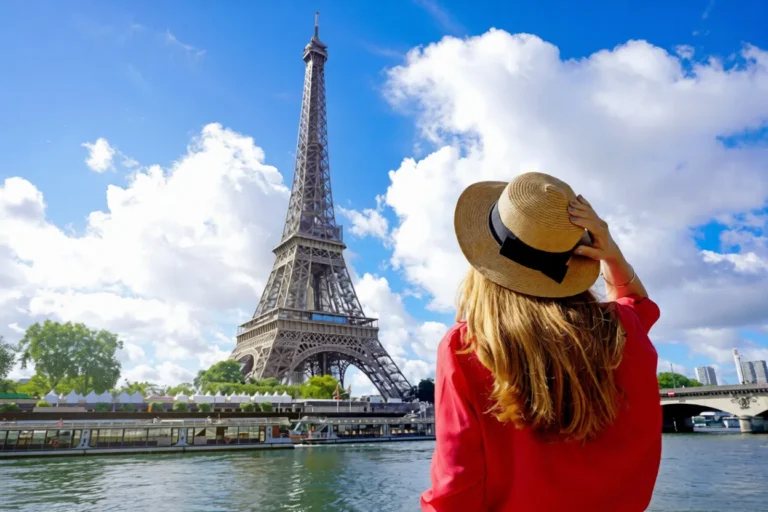

I once met a guy in a Bangkok hostel who told me he’d been “traveling” for three years but had never left Southeast Asia. He looked at me like I was insane when I suggested maybe—just maybe—he was actually living there, not traveling. The conversation got awkward fast, but it stuck with me because it highlighted something we don’t talk about enough: what does travel actually mean?
Look, I’m not here to gatekeep anyone’s journey or tell you there’s a “right way” to see the world. But after dragging my suitcase through forty-something countries, sleeping in everything from five-star hotels to questionable hostels where the shower was also the toilet (true story, Prague 2019), I’ve realized that travel means different things to different people. And that’s exactly why it matters so much.
The Meaning of Travel: It’s Complicated
Let me be honest with you. The word “travel” has become so overused in Instagram captions and LinkedIn humble-brags that it’s almost lost its meaning entirely. Everyone’s a “traveler” now. Your coworker who went to Cancun for spring break? Traveler. That influencer who hops between luxury resorts? Also a traveler, apparently.
But strip away the hashtags and the carefully curated photos, and travel is really about movement with purpose. It’s the act of leaving your familiar bubble—whether that’s for a weekend road trip or a year-long sabbatical—and exposing yourself to something different. New landscapes. Unfamiliar faces. Foods you can’t pronounce.

Beyond Tourism: The Deeper Definition
Here’s where it gets interesting. Travel isn’t quite the same as tourism, though the two often overlap. Tourism feels transactional—you pay for experiences, tick boxes, collect souvenirs. Travel, on the other hand, has this quality of transformation baked into it. You don’t just go somewhere; you’re changed by going there.
I think about the time I got spectacularly lost in Marrakech’s medina. Like, wandering-for-two-hours-in-circles lost. My phone died. I couldn’t speak Arabic or French well enough to ask for directions. For a moment, I genuinely panicked. But then this elderly woman selling spices noticed my obvious distress, grabbed my hand, and walked me fifteen minutes back to a recognizable landmark without saying a word. She just… knew.
That’s not something you can plan for or buy. It’s the unpredictable human connection that happens when you’re vulnerable and far from home.
Why Travel Matters (Even When It’s Hard)
Okay, so travel can be transformative. Great. But why does it actually matter? Can’t you just watch documentaries and call it a day?
Well, sure. But you’d be missing the point entirely.
It Challenges Your Assumptions About Everything
The biggest gift travel gives you—and I mean this—is the uncomfortable realization that the way you do things isn’t the only way. Or even the best way. It’s just your way, shaped by where you grew up and what you learned.
In Japan, I learned that slurping your noodles loudly is actually polite. In many Middle Eastern countries, showing the bottom of your shoe to someone is deeply offensive. In Scandinavia, people actually trust their governments and seem genuinely confused when you explain American healthcare costs. These aren’t just fun facts for cocktail parties—they’re paradigm shifts.

It Makes You More Empathetic (If You Let It)
There’s this study I read somewhere—I want to say it was from the American Psychological Association, but don’t quote me on that—suggesting that people who travel regularly score higher on empathy assessments. Makes sense when you think about it. When you’ve stood in someone else’s country, eaten their food, struggled with their language, you develop this instinctive understanding that people are mostly just people trying to get by.
The world feels a lot less scary when you’ve shared tea with strangers in a Moroccan riad or gotten drunk with locals at an Irish pub. You realize that despite all our differences, most humans want the same basic things: safety, connection, a good meal, maybe a laugh or two.
It’s Actually Good for Your Brain
Beyond the touchy-feely stuff, there’s real neuroscience here. Research suggests that novel experiences literally create new neural pathways. Your brain has to work harder when you’re navigating unfamiliar territory, reading foreign signs, or trying to order coffee in broken Spanish. It’s like CrossFit for your neurons.
I’ve noticed this myself. After long trips, I come home feeling sharper, more creative, better at problem-solving. Could be the break from routine. Could be all that mental gymnastics. Either way, I’ll take it.
The Different Flavors of Travel
Not all travel is created equal, and that’s perfectly fine. Let’s break down the main types, because understanding what kind of traveler you are can help you plan better trips.
Adventure Travel: For the Adrenaline Junkies
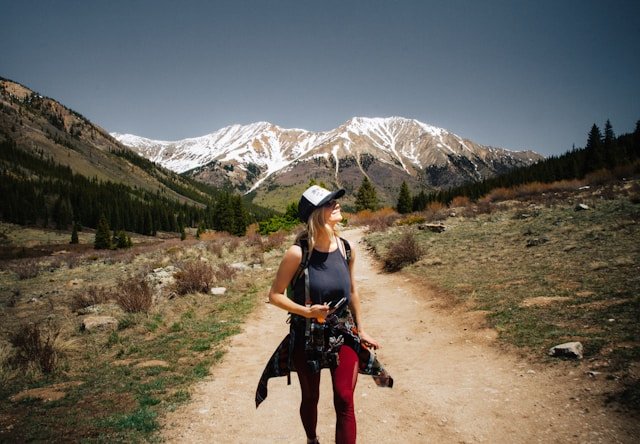
This is your trekking, diving, paragliding, volcano-climbing crowd. They’re not happy unless there’s at least a 30% chance of injury. I dabble in this occasionally—I’ve done some hiking in Patagonia that had me questioning my life choices—but it’s not my default mode. Still, there’s something primal and deeply satisfying about pushing your body in beautiful places.
Cultural Immersion: The “I Want to Live Like a Local” Approach
This is my jam. Staying in neighborhoods instead of tourist districts. Learning to cook local dishes. Attending festivals you’ve never heard of. It’s slower, more intentional, and honestly more exhausting because you’re constantly engaging rather than just observing. But the rewards are massive.
Luxury Escapes: Because Sometimes You Need a Spa Day
Look, there’s absolutely nothing wrong with booking a resort and spending a week being pampered. Travel doesn’t have to be uncomfortable to be meaningful. Sometimes the best thing you can do for yourself is disconnect completely and let someone else make the decisions for a while. I’ve had profound moments of clarity while getting a massage in Bali, so don’t let anyone tell you luxury travel is shallow.

Budget Backpacking: The Art of Doing More with Less
This shaped my twenties in ways I’m still processing. Hostels. Night buses. Street food for every meal. It’s gritty and sometimes gross, but it forces you to be resourceful and meet other travelers. Plus, there’s a certain pride in stretching a dollar further than it should reasonably go.
The Modern Travel Dilemma: Instagram vs. Reality
We need to talk about something that’s been bugging me for years now. Travel has become performative in a way that perhaps cheapens the whole experience.
I see people at famous landmarks spending more time staging photos than actually experiencing the place. They’re there physically but not really there, you know? Their trip is being filtered through a camera lens and processed for likes before they’ve even left the location.
I’m guilty of this too, by the way. I’ve definitely prioritized getting “the shot” over being present. But I’m trying to be better about it. Now I make myself a deal: take a few photos when I first arrive somewhere, then put the phone away for at least an hour. Just exist in the space. Notice things. Talk to people.
The irony is that my most memorable travel moments—the ones I actually treasure—aren’t documented at all. That conversation with the spice seller in Marrakech? No photo. The time I accidentally crashed a local wedding in Kerala and was welcomed with open arms? Didn’t happen on Instagram, so did it even happen? (It did. I still remember the taste of that biriyani.)
Why Travel Matters Now More Than Ever
Here’s the thing that keeps me up at night: the world feels increasingly polarized. We’re sorting ourselves into ideological bubbles, consuming media that reinforces what we already believe, rarely encountering genuine difference.
Travel is perhaps one of the last remaining antidotes to this. It’s hard to maintain your prejudices about a place or people when you’re standing in their country, breathing their air, dependent on their kindness.
I’m not naive enough to think travel alone can save the world or bridge all divides. But I do think it chips away at the “otherness” we project onto people and places we don’t know. And in 2025, that feels more important than ever.
The Environmental Elephant in the Room
Of course, we can’t talk about why travel matters without acknowledging its impact on the planet. Aviation is responsible for roughly 2-3% of global carbon emissions, and that number’s growing. Tourism can strain local resources, drive up costs for residents, and damage fragile ecosystems.
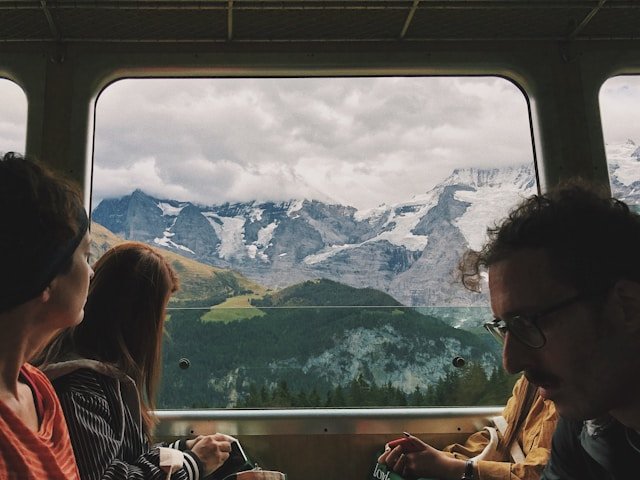
So what do we do? Stop traveling entirely? I don’t think that’s realistic or even desirable. But we can travel more thoughtfully. Choose trains over planes when possible. Stay longer in fewer places rather than country-hopping every few days. Support locally-owned businesses. Offset your carbon footprint if you can afford it.
Travel matters, but so does the planet that makes travel possible. We need to hold both truths at once.
Practical Ways to Make Travel More Meaningful
Alright, enough philosophy. Let me give you some actual, actionable advice for making your travels count:
- Learn at least basic phrases in the local language. Even just “hello,” “thank you,” and “where’s the bathroom” shows respect and opens doors.
- Eat where locals eat. If you see a place packed with tourists, walk another block. The best meals are almost always where no one speaks English.
- Stay in one place longer. Two weeks in one city teaches you more than two days in seven cities ever will.
- Talk to people. I mean really talk. Ask the Uber driver about their life. Chat with the person next to you on the train. Most people are interesting if you give them a chance.
- Get lost on purpose. Some of my best travel experiences came from intentionally wandering without a plan or destination.
- Document for yourself, not for others. Keep a journal. Write down how things smelled, tasted, felt. Those memories fade faster than you’d think.
When Travel Doesn’t Go According to Plan
Let’s be real: travel isn’t always magical. Sometimes it’s just expensive, exhausting, and frustrating. I’ve had trips where everything went wrong—missed flights, food poisoning, lost luggage, you name it. There was this one time in Budapest when I got scammed by a taxi driver, locked out of my Airbnb, and caught in a rainstorm all in the same afternoon. I sat on a curb and genuinely considered just going home.
But here’s what I’ve learned: those disasters make the best stories and often teach you the most. That terrible day in Budapest? I met another stranded traveler while hiding from the rain, and we ended up exploring the city together for the next three days. She’s still one of my closest friends.
The point isn’t that bad things happening are secretly good (they’re not—they suck in the moment). The point is that travel tests you in ways that staying home never will. And passing those tests—or even just surviving them—builds a different kind of confidence.
The Future of Travel: What’s Next?
I think about the future of travel a lot. Will it look different in ten years? Twenty?
We’re already seeing shifts. Remote work has made long-term travel more accessible for people with laptop jobs. There’s growing awareness about overtourism and its impacts on places like Venice and Barcelona. Virtual reality might let us “visit” places without actually going there—though I remain skeptical about whether that captures anything meaningful.
What I hope is that we evolve toward more conscious, considerate travel. Less about collecting countries like Pokemon cards, more about genuine exchange and learning. Quality over quantity. Depth over breadth.
Essential Travel Resources and Recommendations
1. Booking.com – Comprehensive accommodation platform with options ranging from budget hostels to luxury resorts, featuring flexible cancellation policies and honest reviews.
2. Airbnb – Perfect for experiencing neighborhoods like a local, offering everything from shared rooms to entire homes with kitchen facilities.
3. Skyscanner – Flight comparison tool that searches across hundreds of airlines and booking sites to find the best deals, with a “flexible dates” feature that can save you hundreds.
4. World Nomads Travel Insurance – Reliable travel insurance covering medical emergencies, trip cancellations, and adventure activities, with coverage you can purchase even after leaving home.
5. Rome2Rio – Journey planning tool showing all transport options (bus, train, plane, ferry) between any two points globally with estimated costs and durations.
6. Google Travel – Integrated platform for planning trips, tracking flight prices, organizing itineraries, and finding activities with personalized recommendations.
7. Lonely Planet – Trusted travel guide resource offering detailed destination information, cultural insights, and practical tips from experienced travel writers.
8. AllTrails – Essential app for hiking and outdoor adventures with detailed trail maps, difficulty ratings, reviews, and offline GPS capabilities.
9. TripAdvisor – Community-driven platform with millions of traveler reviews for hotels, restaurants, and attractions, helping you avoid tourist traps.
10. Hostelworld – Leading hostel booking platform with honest ratings, photos, and a social atmosphere perfect for solo travelers and backpackers.
11. The Man in Seat 61 – Comprehensive resource for train travel worldwide, offering routes, tips, and booking advice for those who prefer overland journeys.
12. XE Currency Converter – Real-time currency conversion app essential for budgeting and avoiding exchange rate confusion while traveling.
13. Viator – Tours and activities booking platform owned by TripAdvisor, offering everything from walking tours to adventure experiences with verified reviews.
14. Revolut – Digital banking app with no foreign transaction fees, competitive exchange rates, and the ability to hold multiple currencies simultaneously.
15. PackPoint – Smart packing list app that generates customized lists based on your destination, trip duration, weather forecast, and planned activities.
16. Google Maps – Indispensable navigation tool with offline map downloads, transit directions, restaurant reviews, and saved places functionality.
17. Duolingo – Free language learning app perfect for picking up basic phrases before your trip, making local interactions more meaningful.
18. Netflix – While not traditionally travel-related, downloading shows and movies for long flights and train journeys makes transit time considerably more bearable.
19. Couchsurfing – Community platform connecting travelers with local hosts willing to offer free accommodation and genuine cultural exchange.
20. Meetup – Social networking platform for finding local events, activities, and groups in your destination, perfect for solo travelers wanting to meet people.
Final Thoughts: Travel As a Verb, Not a Trophy
So what does travel mean? After all these words, I think it’s simply this: travel is the act of being deliberately uncomfortable in pursuit of growth.
It’s not about the number of stamps in your passport or the exotic locations you can name-drop. It’s about the moments when you don’t know what you’re doing, when you’re confused and vulnerable and far from everything familiar—and you figure it out anyway. Or you don’t figure it out, and that teaches you something too.
Why does it matter? Because in a world that’s increasingly digital, algorithmic, and curated, travel forces us to be analog, spontaneous, and real. It reminds us that we’re small but also that we’re capable. That the world is big and scary but also beautiful and mostly welcoming.
Every time I travel, I come home slightly different. Sometimes the change is obvious—a new perspective, a challenged assumption. Sometimes it’s subtle, something I only notice months later. But it’s always there.
And honestly? That’s worth every delayed flight, every questionable hostel shower, every moment of getting hopelessly lost.
Frequently Asked Questions About Travel and Its Meaning
What is the true meaning of travel?
Answer: Travel is fundamentally about experiencing displacement from your familiar environment to gain new perspectives, connections, and self-understanding. It involves not just physical movement but emotional and intellectual openness to different cultures, ideas, and ways of living. True travel transforms you rather than simply entertaining you.
Why is traveling important in life?
Answer: Travel matters because it challenges your assumptions, builds empathy, creates neural pathways through novel experiences, and helps you understand your place in a diverse world. It develops resilience, cultural intelligence, and self-confidence while providing perspective on your own life and values.
What is the difference between travel and tourism?
Answer: Tourism typically involves consuming pre-packaged experiences and visiting popular attractions, often staying within comfort zones. Travel implies deeper engagement with destinations, cultural immersion, openness to the unexpected, and personal transformation. Tourists visit places; travelers experience them.
How does travel change your perspective on life?
Answer: Travel exposes you to different values, lifestyles, and problem-solving approaches, revealing that your way of doing things isn’t universal or necessarily superior. It often makes you more adaptable, less judgmental, and more appreciative of both differences and commonalities across cultures.
What are the psychological benefits of traveling?
Answer: Research shows that travel can reduce stress, boost creativity, enhance cognitive flexibility, increase happiness, and improve problem-solving skills. Novel experiences create new neural pathways, while stepping outside routines can provide clarity and renewed perspective on challenges.
Is travel necessary for personal growth?
Answer: While not strictly necessary, travel accelerates personal growth by placing you in situations requiring adaptation, problem-solving, and cultural sensitivity. However, growth can also happen through reading, relationships, and local exploration—travel simply provides concentrated opportunities for transformation.
How can I make my travels more meaningful?
Answer: Focus on quality over quantity by staying longer in fewer places, learning basic local language phrases, eating where locals eat, engaging in conversations with residents, choosing experiences over photo opportunities, and traveling with intention rather than just ticking boxes.
What is sustainable or responsible travel?
Answer: Sustainable travel means minimizing your environmental and cultural impact by choosing trains over planes when possible, supporting locally-owned businesses, respecting cultural norms, avoiding overtouristed destinations during peak times, and considering how your presence affects local communities and ecosystems.
How much does meaningful travel cost?
Answer: Meaningful travel exists at every budget level—from backpacking Southeast Asia for $30/day to luxury immersive experiences. What matters isn’t cost but intention and openness. Budget travelers often have more authentic local interactions, while higher budgets can provide comfort that allows for longer stays and deeper exploration.
Can you travel meaningfully with limited time?
Answer: Absolutely. Even weekend trips can be transformative if approached with intentionality. The key is quality engagement—spending a weekend deeply exploring one neighborhood beats superficially visiting five cities. Meaningful travel is about mindset and openness, not duration.
How has social media changed the meaning of travel?
Answer: Social media has made travel more performative and shareable but potentially less present and authentic. Many travelers now experience destinations through camera lenses, prioritizing photogenic moments over genuine connection. However, social media also democratizes travel inspiration and connects global communities of travelers.
What type of travel is best for beginners?
Answer: Start with destinations where you have some language familiarity or strong tourist infrastructure—think Western Europe, Japan, or Costa Rica. Choose organized group tours or well-reviewed accommodations for your first trips, then gradually increase independence as confidence grows. Solo travel or backpacking can come later.