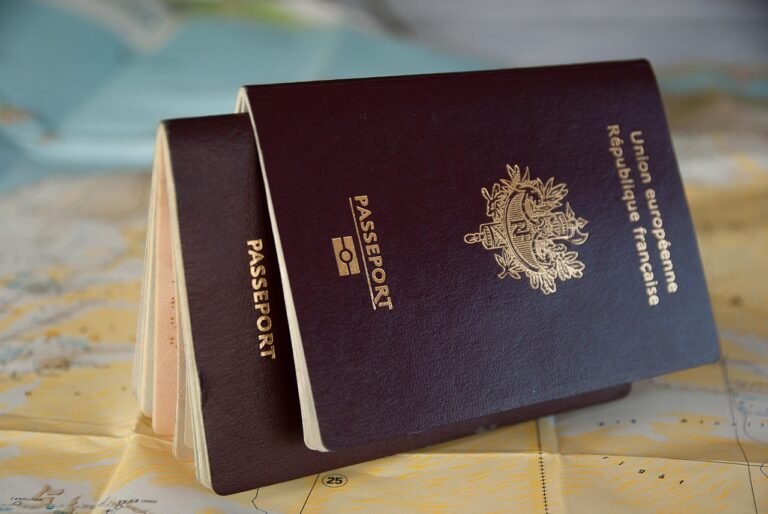
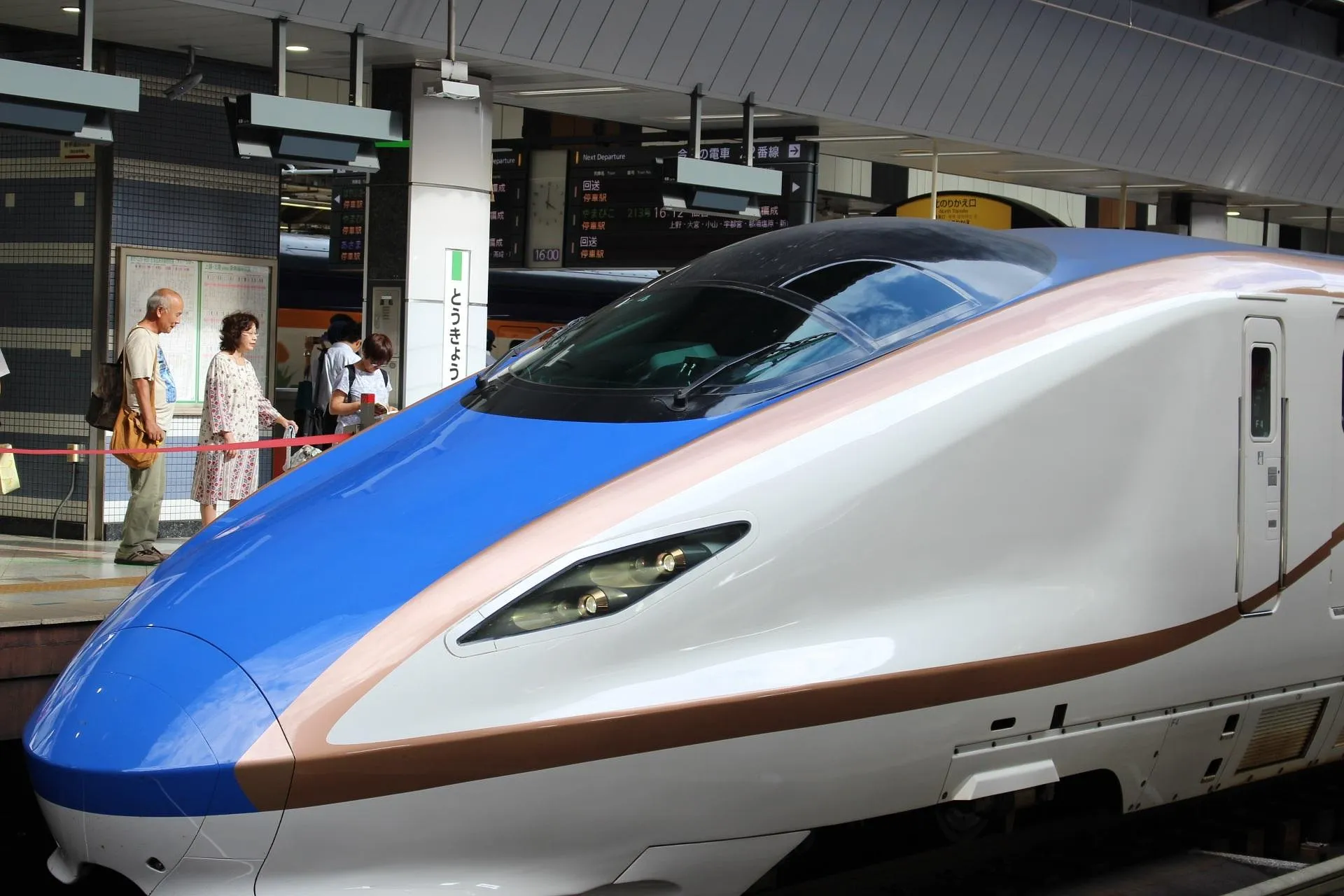

Picture this: you’re in Japan, that neon-drenched whirlwind of ancient temples and bullet trains slicing through misty mountains at 200 mph, and suddenly your wallet’s screaming from taxi fares and regional tickets. Enter the Japan Rail Pass—perhaps the single smartest hack for any traveler not trying to go broke. I mean, really, who wouldn’t want unlimited rides on the Shinkansen, local lines, even ferries, for a flat fee? It’s not just a ticket; it’s your golden escape from the chaos of hyper-efficient public transport.
But here’s the rub—or, I think, the slight catch: it’s not for everyone. Buy it before you land (online or agents, easy enough), choose seven, 14, or 21 days, and boom—Tokyo to Kyoto in two hours flat, Hiroshima’s peace parks just a hop away. Prices hover around $350 for seven days (standard class, anyway), covering JR lines nationwide. Green Car? Fancier seats, more legroom, if you’re feeling extravagant. Reservations? Free, but book ahead for peak seats. Downsides? Coverage skips some private lines, and post-2023 hikes made it pricier—still worth it for multi-city itineraries, though. Hesitant? Crunch the math; it’ll save you hundreds. This complete Japan Rail Pass guide unpacks it all: where to buy JR Pass, activation quirks, route hacks, and insider tips to maximize every yen. Dive in.
What Actually Is the Japan Rail Pass?
The Japan Rail Pass (or JR Pass, if you’re already in the know) is essentially an all-you-can-ride ticket for JR trains across Japan. And when I say JR trains, I’m talking about the Shinkansen bullet trains (well, most of them), local trains, even some buses and ferries operated by Japan Railways.
Think of it like a Netflix subscription, but for trains. You pay once, and suddenly the entire country becomes accessible without reaching for your wallet every single time you board.
The pass comes in 7-day, 14-day, and 21-day versions, available in both Ordinary (standard) and Green Car (first class) options. I’ve used both, and honestly? Unless you’re really into leg room or traveling during peak cherry blossom season, ordinary is perfectly fine.
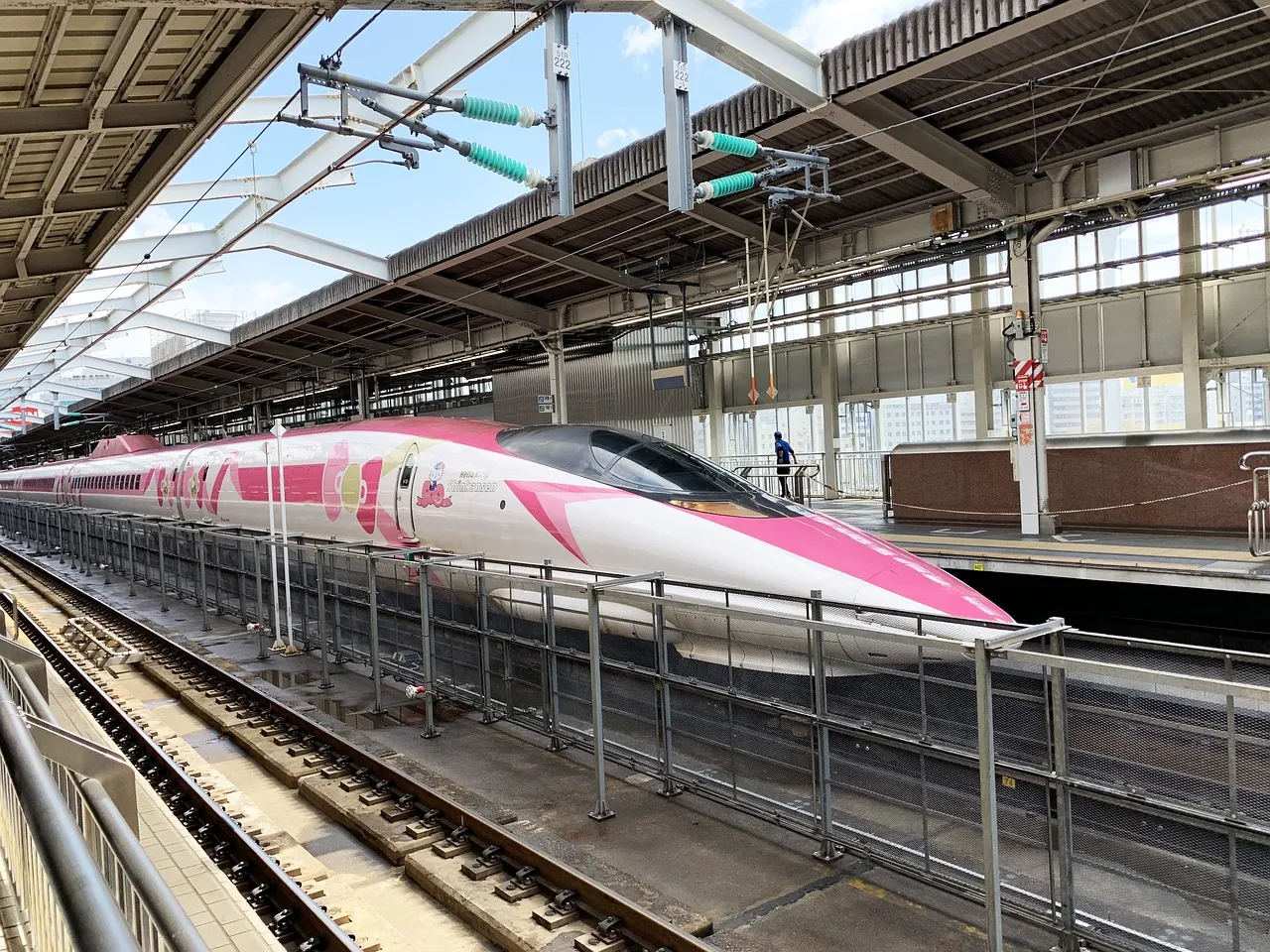
The Big Question: Is It Actually Worth It?
Here’s where it gets interesting. The JR Pass used to be a no-brainer for most travelers. Then, in October 2023, Japan Railways did something that made budget travelers everywhere clutch their spreadsheets: they raised the prices. Significantly.
A 7-day ordinary pass now costs around ¥50,000 (roughly $340), up from the previous ¥29,650. Yeah. I know.
So is it still worth it? Well, it depends on your itinerary. Let me give you a real example: a round trip from Tokyo to Kyoto on the Shinkansen costs about ¥28,000. Add a trip to Hiroshima (another ¥19,000 from Kyoto), and you’re already at ¥47,000. Throw in local JR trains for a week, and suddenly that ¥50,000 pass is looking pretty reasonable.
But—and this is important—if you’re only doing Tokyo to Kyoto and back, you might actually save money buying individual tickets or using regional passes instead.
I learned this the hard way on my first trip when I bought a 14-day pass but spent five days in Tokyo just eating ramen and visiting shrines within walking distance of my hostel. Not exactly maximizing value.
How to Get Your Hands on One
The purchasing process used to be more complicated, but they’ve simplified it somewhat. You’ve got two main options:
Buy before you arrive: You can purchase an Exchange Order from authorized sellers like JTB or Klook, which you’ll then exchange for the actual pass at a JR office in Japan. This used to be the only option.
Buy in Japan: As of recent changes, you can actually purchase the pass directly at major JR stations in Japan—Tokyo, Kyoto, Osaka, and others. The price is the same, though you might face longer lines during peak season.
Honestly? I prefer buying beforehand. There’s something reassuring about landing in Narita, finding the JR East Travel Service Center, and walking out fifteen minutes later with your activated pass, ready to hop on the next train to the city.

The Routes That Make It Make Sense
Let me walk you through some classic itineraries where the pass genuinely pays for itself:
The Classic Golden Route (7 days)
- Tokyo → Kyoto (¥13,320 one way)https://wakatravels.com/2025/05/08/cheap-and-easy-day-trips-from-london/
- Kyoto day trips to Nara and Osaka (¥1,500+)
- Kyoto → Hiroshima (¥11,000)
- Hiroshima → Tokyo (¥19,000)
Total if bought separately: Around ¥58,000+. With the pass? ¥50,000. Plus unlimited local JR trains.
The Ambitious Northern Adventure (14 days)
Add Takayama, Kanazawa, Sendai, and maybe even Hakodate in Hokkaido. This is where the pass becomes genuinely brilliant, because these regional routes add up fast.
I met a couple in Kanazawa who’d mapped out their entire two weeks around the pass and estimated they saved about ¥60,000 compared to individual tickets. They had a color-coded spreadsheet. I was impressed.
What’s Actually Covered (and What Isn’t)
This trips people up constantly, so let’s be specific:
Covered:
- Most Shinkansen trains (Hikari, Sakura, Kodama)
- JR local and rapid trains
- Tokyo Monorail to Haneda Airport
- JR Ferry to Miyajima
- Narita Express to/from Tokyo
NOT Covered:
- Nozomi and Mizuho Shinkansen (the fastest ones)
- Most private railways (and Tokyo has a lot of these)
- Subways
- Seat reservations on overnight trains (you pay a supplement)
That Nozomi exclusion is perhaps the most annoying part. These are the fastest trains between Tokyo and Osaka, and you can’t use them with the pass. You’ll take the Hikari instead, which adds maybe 30 minutes to your journey. It’s fine. You’ll survive. But yeah, it’s a bit irritating when you’re watching Nozomi trains depart while you wait.
Reserved vs. Non-Reserved Seats: A Mini Drama
Here’s something I wish someone had told me before my first trip: you can reserve seats for free with your JR Pass, and you absolutely should for popular routes.
I learned this while standing in the aisle between Tokyo and Kyoto on a Friday evening, surrounded by businesspeople and my own poor planning. The non-reserved cars were packed. I couldn’t feel my legs by Nagoya.
Reserving is simple—just go to any JR ticket office (midori no madoguchi), show your pass, tell them where and when you want to travel, and they’ll print you a seat reservation. Takes five minutes. Do this the night before, or even a few days ahead for busy routes during cherry blossom or autumn foliage season.
The Money Math You Actually Need to Do
I’m going to level with you: if you’re the type who likes to linger, the JR Pass might not be your friend. It rewards movement. Lots of it.
Here’s my rough calculation method:
- Map out your must-see cities
- Look up the Shinkansen fares between them on Hyperdia (seriously useful website)
- Add approximately ¥2,000-3,000 per day for local JR trains
- Compare to pass price
If you’re within ¥10,000 either way, consider the convenience factor. Being able to hop on trains spontaneously without buying tickets is genuinely freeing. I once decided on a whim to visit Kamakura from Tokyo just because I saw the giant Buddha on someone’s Instagram and thought, “Why not?” With individual tickets, I probably would’ve talked myself out of it.
Real Talk: When You Shouldn’t Buy It
Let me save you some money. Skip the JR Pass if:
- You’re spending most of your time in one city (Tokyo has its own better deals)
- Your only major trip is Tokyo-Kyoto round trip (seriously, buy individual tickets)
- You’re doing Osaka-Kyoto-Nara exclusively (the regional Kansai passes are cheaper)
- You’re traveling for more than 21 days but slowly (just buy tickets as you go)
The pass demands efficiency. If you’re the “I want to spend a week in Kyoto just absorbing the vibe” traveler—and I respect that deeply—this might not be your tool.
Pro Tips I Learned the Hard Way
Activate strategically: You don’t have to activate your pass the day you arrive. If you’re spending your first few days exploring Tokyo, wait. Activate it the morning you leave for Kyoto. I wasted two days of mine on my first trip because I activated it at the airport and then… just stayed in Shibuya.
Download the JR East app: Game changer for checking train times and planning routes. Works offline too.
Keep your pass visible: Train conductors check them regularly. I kept mine in a clear case around my neck like a dorky lanyard. Zero shame. Much convenience.
Station lockers are your friend: Most JR stations have coin lockers. Chuck your luggage in one, explore the city unburdened, grab it on your way out. This made day trips exponentially better.
The Narita Express is included: Don’t pay for the airport limousine bus. The NEX is covered and honestly more comfortable.
Insert image: Traveler holding JR Pass at train platform
Alternatives Worth Considering
If the JR Pass doesn’t fit your plans, Japan has excellent regional passes:
The JR Kansai Area Pass covers Osaka-Kyoto-Nara-Kobe for about ¥2,800 per day. If you’re sticking to this region, it’s perfect.
The Hokuriku Arch Pass connects Tokyo, the Japan Alps, and Osaka—great if you want Kanazawa and Takayama.
And honestly, sometimes buying a Shinkansen ticket package online gets you decent discounts, especially if you book early.
Making Peace with the Price Increase
Look, I won’t pretend the new pricing doesn’t sting. It does. The JR Pass used to feel like insider knowledge, this secret weapon for budget travelers. Now it’s more of a calculated investment.
But here’s what I’ve come to think about it: Japan’s train system is extraordinary. Punctual to the minute. Comfortable. Clean. The Shinkansen remains one of humanity’s cooler achievements—I mean, we built trains that go 300+ km/h and they arrive on time to the second. That’s genuinely remarkable.
When I frame the pass cost against what I’d pay for trains literally anywhere else (I’m looking at you, UK railways), it still feels reasonable. Perhaps not the steal it once was, but reasonable.
The Pass in Different Seasons
Cherry blossom season (late March to early April): Book everything in advance. Reserve seats immediately upon pass activation. Japan turns into a travel zoo, and everyone’s chasing those pink petals. The JR Pass is brilliant here because you can hit multiple regions as the bloom moves north.
Summer (June to August): Hot. Humid. But the pass shines for escaping to mountain regions like Hakone or heading north to cooler Hokkaido. Also, those air-conditioned trains are your sanctuary.
Autumn foliage (November): Second only to cherry blossom season for beauty and crowds. The pass lets you chase the changing leaves from region to region. Kyoto to Takayama to Nikko—all possible with spontaneous planning.
Winter (December to February): Fewer tourists, better deals on accommodation, and the pass gets you to ski resorts and hot spring towns. I loved winter travel in Japan specifically because the trains were less crowded.
Insert image: Mount Fuji view from Shinkansen window
A Brief Word on Luggage
Japanese trains don’t really have massive luggage storage. The overhead racks exist but aren’t huge, and there’s limited space at the ends of cars. If you’re hauling large suitcases between cities, here’s the move: use Yamato Transport’s Takkyubin luggage forwarding service.
For about ¥2,000-3,000, they’ll send your big bag directly from your Tokyo hotel to your Kyoto hotel overnight. You travel with just a day bag. It’s magic. I discovered this service on day three of wrestling a 23kg suitcase through Tokyo station at rush hour and immediately wondered why nobody had told me about this earlier.
Final Thoughts: Should You Actually Get It?
If you’re moving between multiple regions and traveling at least semi-actively, yes. If you want the freedom to be spontaneous, jump on trains without agonizing over ticket prices, and you’ve done the math and it’s close, then yes.
But if your trip is focused on one area, or you prefer slow travel, then maybe not. And that’s completely fine. The JR Pass is a tool, not a requirement.
I’ve done Japan both ways—with the pass and without—and both approaches have merit. The pass added a sense of adventure to my trips, this feeling that the whole country was suddenly accessible. But I’ve also had wonderful, immersive experiences staying put in one neighborhood for a week, getting to know the local shopkeepers and finding the best ramen that wasn’t in any guidebook.
Choose based on your style, your route, and your budget. Just maybe don’t activate it and then sit in one city for three days like I did. Learn from my mistakes.
Top Travel Recommendations & Related Products
- JR Pass Official Exchange Order – The official JR Pass in 7, 14, or 21-day versions; essential for multi-region travel across Japan with unlimited train access.
- Hyperdia Route Planner – Comprehensive train route and fare calculator that helps you determine if the JR Pass makes financial sense for your itinerary.
- JR East App – Free smartphone app for checking train times, platform information, and delays in real time across Eastern Japan.
- Klook JR Pass – Reliable third-party vendor offering JR Pass exchange orders with sometimes faster shipping and customer support options.
- JR Kansai Area Pass – Regional alternative covering Osaka, Kyoto, Nara, and Kobe; cheaper option if you’re staying in the Kansai region only.
- Suica or Pasmo IC Card – Rechargeable smart cards for non-JR trains, subways, buses, and even convenience store purchases throughout Japan.
- Yamato Transport Luggage Forwarding – Takkyubin service that ships luggage between hotels overnight, freeing you from hauling suitcases on trains.
- Pocket WiFi Rental Japan – Portable WiFi hotspot rental for staying connected while using train apps and maps throughout your journey.
- Ekiben Train Bento Boxes – Station-specific boxed meals sold at major train stations; a delicious part of Japanese train culture and travel experience.
- Japan Guide Website – Comprehensive resource for destination information, transport guides, seasonal timing, and cultural tips for first-time visitors.
- Smart EX Shinkansen Booking – Online reservation system offering occasional discounts on Shinkansen tickets for those not using the JR Pass.
- Narita Express (NEX) – Airport train from Narita to Tokyo covered by JR Pass; comfortable alternative to expensive airport limousine buses.
- JR Hokuriku Arch Pass – Regional pass connecting Tokyo through the Japan Alps to Osaka; ideal for travelers wanting Kanazawa and Takayama.
- Coin Locker Search App – Helps locate available luggage storage lockers at JR stations, essential for day trips without heavy bags.
- Google Maps Japan Transit – Surprisingly accurate for Japanese train navigation with real-time updates and platform information in English.
- JR Pass Calculator Tool – Quick comparison tool showing whether individual tickets or the pass offers better value for your specific route.
- Tokyo Station Character Street – Shopping area inside Tokyo Station featuring Japanese character goods, treats, and ekiben for your train journeys.
- Miyajima Island JR Ferry – JR-operated ferry to Miyajima (Itsukushima) covered by the pass; avoid paying for other ferry companies.
- Japan Travel by NAVITIME App – Alternative route planning app optimized for tourists with simplified English instructions and offline capability.
- JR Pass Customer Service – Dedicated support for JR Pass users covering activation questions, exchange procedures, and route planning assistance.
Frequently Asked Questions
Is the Japan Rail Pass worth it in 2024 after the price increase?
Answer: It depends entirely on your itinerary. If you’re traveling between multiple regions—say Tokyo, Kyoto, Hiroshima, and back—the pass still offers savings compared to individual Shinkansen tickets, which can cost ¥13,000-19,000 one way. However, if you’re only making one or two long-distance trips or staying primarily in one city, buying individual tickets or regional passes will likely be cheaper. Calculate your specific route costs using Hyperdia before deciding.
Can I use the Japan Rail Pass on all Shinkansen trains?
Answer: No, and this catches many travelers off guard. The JR Pass covers most Shinkansen services including Hikari, Sakura, and Kodama trains, but specifically excludes the fastest Nozomi and Mizuho services on the Tokaido and Sanyo lines. This typically adds about 20-30 minutes to journeys between major cities like Tokyo and Osaka. All other JR trains nationwide are included.
Do I need to reserve seats with my JR Pass?
Answer: Seat reservations are free but not required with the JR Pass. You can always use non-reserved cars, which work fine for shorter trips and off-peak times. However, I strongly recommend reserving seats for long-distance Shinkansen journeys, travel during peak seasons (cherry blossom, Golden Week, autumn foliage), and Friday evenings when business travelers fill the trains. Reservations take just minutes at any JR ticket office.
Can I buy the Japan Rail Pass after I arrive in Japan?
Answer: Yes, as of recent changes you can purchase JR Passes directly at major JR stations in Japan, including Tokyo, Kyoto, Osaka, and major airports. The price is identical whether you buy beforehand or in Japan. However, purchasing an exchange order before arrival can save time upon landing, as airport JR offices can have long queues during peak season.
How do I activate my Japan Rail Pass?
Answer: After exchanging your order voucher for the actual pass at a JR office, you choose your activation date. The pass doesn’t have to start immediately—you can activate it anytime within three months of exchange. Choose your activation date strategically based on when you’ll actually start traveling between cities, not necessarily your arrival date in Japan.
Is the Green Car JR Pass worth the extra cost?
Answer: For most travelers, probably not. Green Car (first class) offers more spacious seats, fewer passengers, and a quieter environment, but costs roughly 30-40% more than ordinary passes. Unless you’re particularly tall, traveling during peak season when ordinary cars get crowded, or simply prefer extra comfort, the ordinary pass provides excellent value and perfectly comfortable travel.
What happens if I lose my Japan Rail Pass?
Answer: Unfortunately, lost JR Passes cannot be replaced or refunded—they’re treated like cash tickets. Keep your pass secure at all times, ideally in a pass holder worn around your neck or in a secure pocket. Some travelers photograph their pass details as a backup, though this won’t help with replacement. Travel insurance typically doesn’t cover lost rail passes, so prevention is essential.
Can I use the JR Pass for Tokyo subways and local buses?
Answer: The JR Pass only covers JR-operated transportation, which includes JR train lines like the Yamanote Line in Tokyo, but does not cover Tokyo Metro, Toei Subway, or most city buses. For non-JR transport, you’ll need to pay separately—I recommend getting a Suica or Pasmo IC card for convenient tap-and-go payment on all Tokyo public transportation.
How far in advance should I purchase my Japan Rail Pass?
Answer: You can purchase exchange orders up to three months before your trip, and you must exchange them for the actual pass within three months of purchase. I’d recommend buying at least 2-3 weeks before departure to ensure delivery of the exchange order, especially if shipping internationally. Last-minute purchases are possible but risk delayed shipping.
Does the Japan Rail Pass cover airport transportation?
Answer: Yes, partially. The pass covers the Narita Express (NEX) from Narita Airport to Tokyo, and the Tokyo Monorail from Haneda Airport to Hamamatsucho Station. However, it does not cover the Kansai Airport Express Haruka to/from Kansai Airport near Osaka—that requires a separate regional pass or ticket purchase. Check coverage for your specific arrival/departure airports.