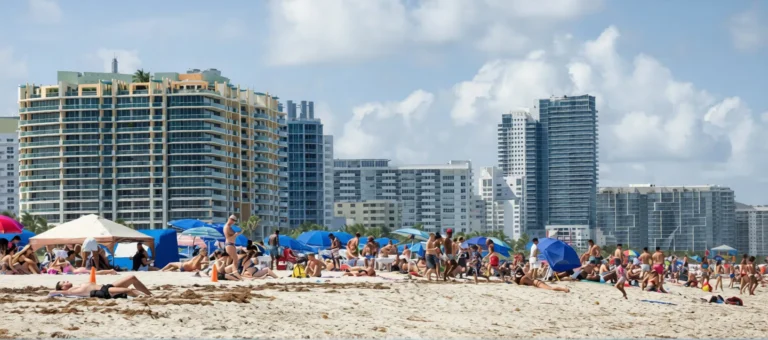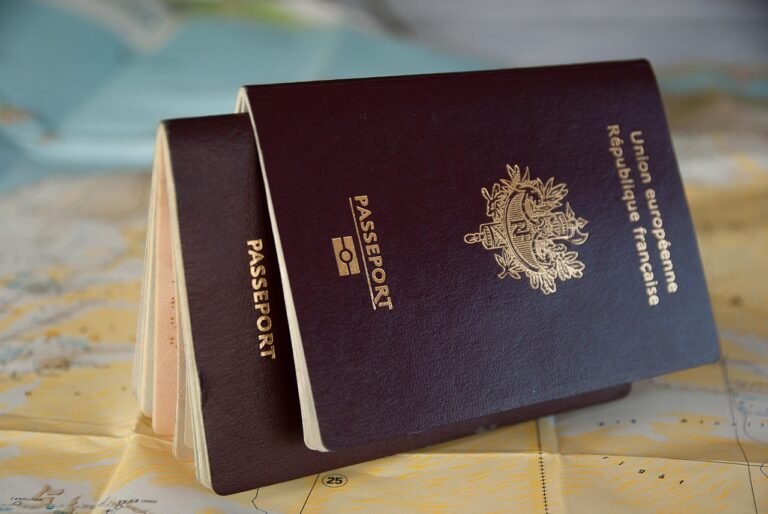
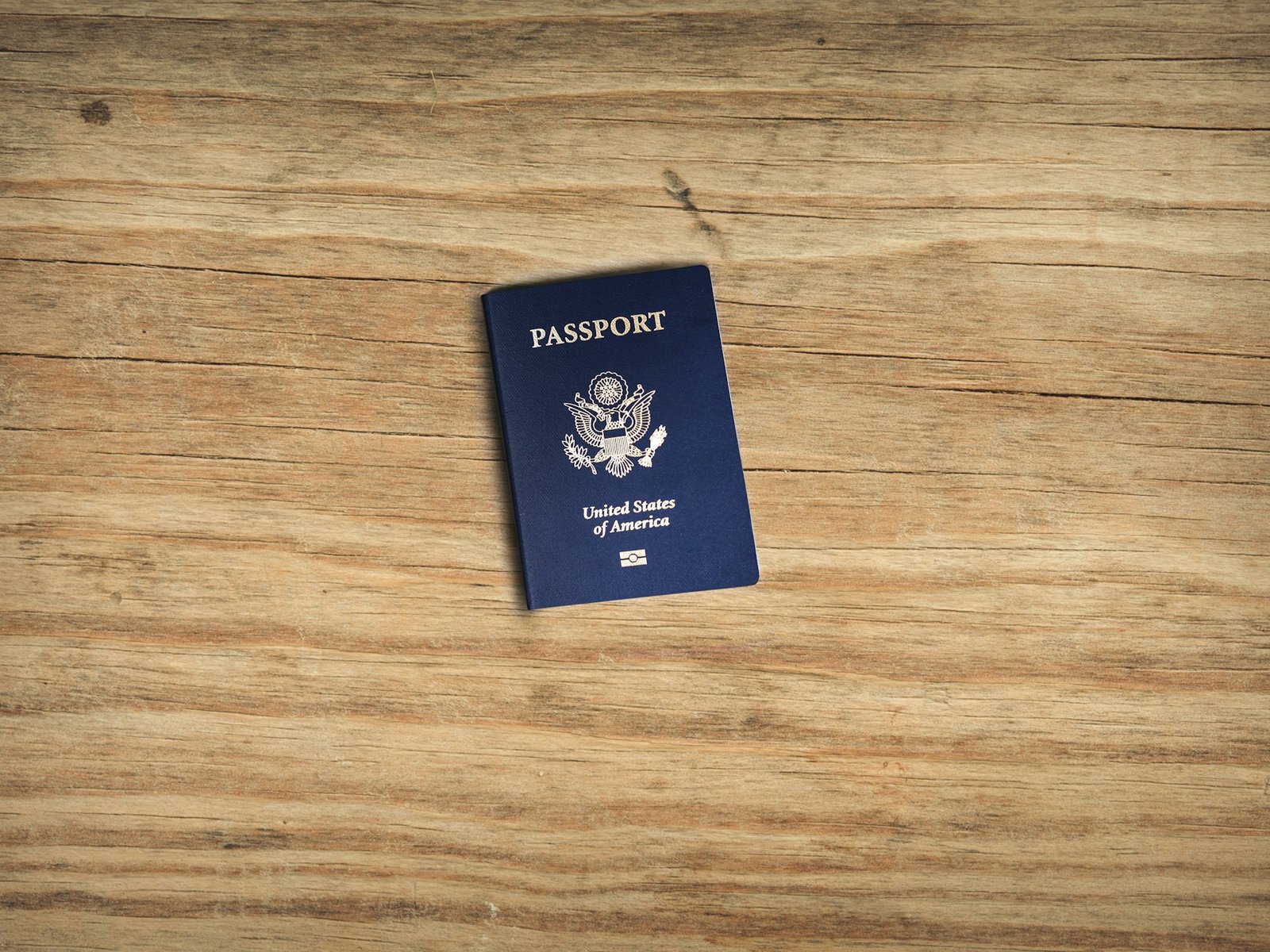

I’m not trying to scare you here, but travel safety isn’t just about locking your hotel door and calling it a day. It’s the stuff nobody wants to think about until they’re standing in a random airport at 2 AM, phone dead, wallet missing, wondering how they got so spectacularly screwed.
Here’s the thing—most travelers think they’re prepared because they packed hand sanitizer and downloaded Google Maps. That’s cute. But real preparation means knowing what to do when your Airbnb host ghosts you, or when that “authentic local experience” starts feeling a little too authentic. It means having a plan that doesn’t fall apart the second your carefully curated itinerary does.
These ten tips aren’t revolutionary, exactly. You won’t find any secret hacks or insider tricks that travel bloggers don’t want you to know. What you will find is practical, unsexy advice that actually works when things go sideways. The kind of stuff that separates tourists who panic from travelers who adapt.
Because the truth is, most travel disasters are preventable. Not all of them, sure—sometimes the universe just decides it’s your turn. But these basics? They’re your insurance policy against the avoidable catastrophes. And trust me, that’s worth more than any Instagram-worthy sunset.
Why Travel Safety Actually Matters (Beyond the Obvious)
Look, nobody books a flight to Barcelona thinking, “I wonder how I’ll get scammed this time?” But here’s the thing—travel safety isn’t just about avoiding pickpockets in crowded metros. It’s about preserving the experience itself. One stolen passport can turn a dream vacation into a bureaucratic nightmare that involves embassy visits and missed flights.
I’ve talked to travelers who’ve had their entire trips derailed by things they never saw coming. A friend once ate street food in Mumbai without checking if the water was filtered—spent three days in a hotel bathroom instead of exploring the city. Another acquaintly lost all her cards and cash in one go because she kept everything in the same place. These aren’t horror stories; they’re just Tuesday for unprepared travelers.
The good news? Most travel mishaps are entirely preventable with a bit of forethought and these ten safety tips.
1. Create Digital and Physical Copies of Everything Important
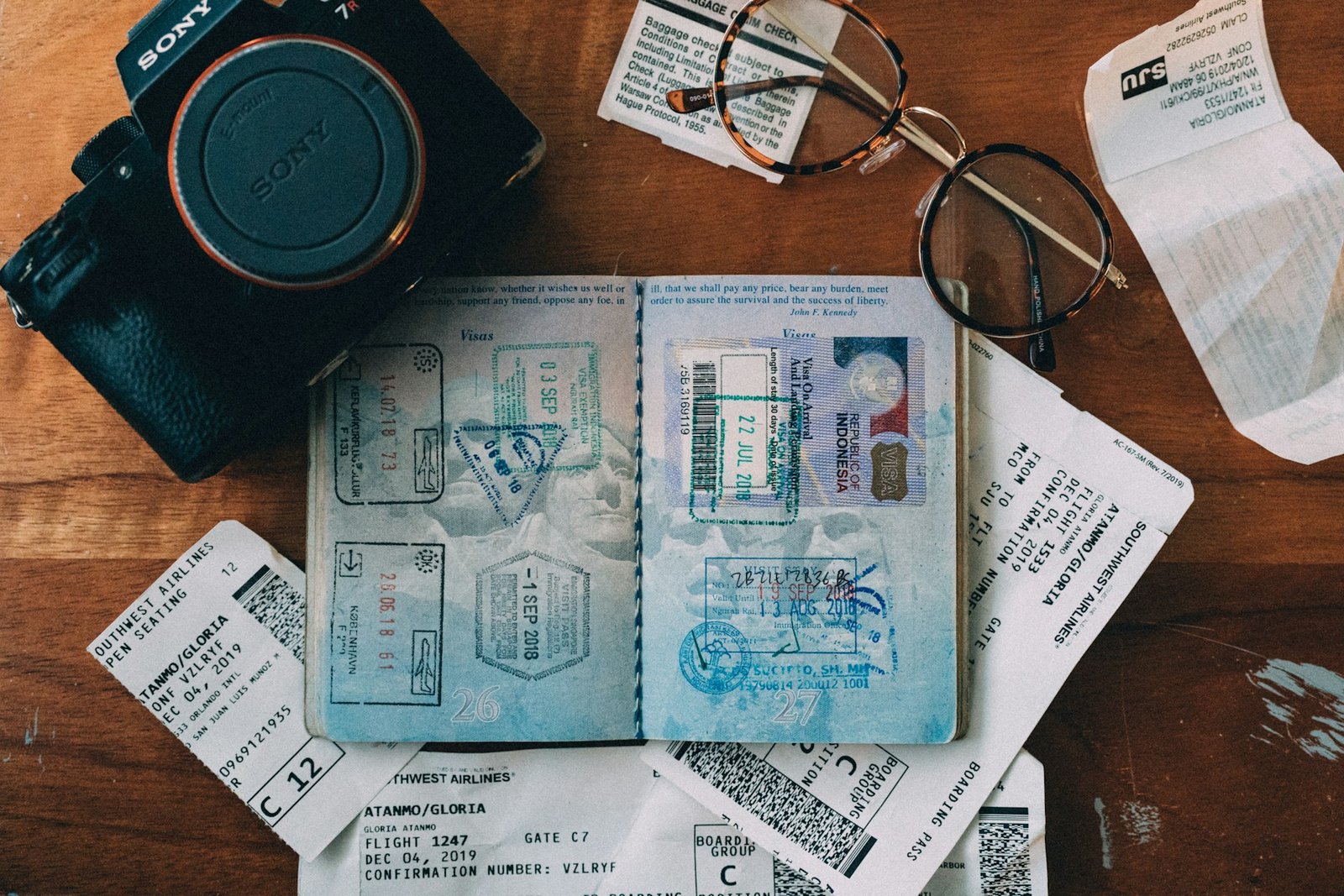
This sounds tedious, I know. But scan your passport, driver’s license, travel insurance, credit cards, and booking confirmations. Email them to yourself. Save them in cloud storage. Hell, print out a set and leave it with someone back home.
When your bag gets stolen in Lisbon (and statistically, someone’s will), you’ll thank yourself for having proof of identity accessible from any internet café. I keep encrypted digital copies in Google Drive and a physical set in a separate bag from my passport. Overkill? Maybe. But I’ve never been stranded without ID.
Pro tip: Screenshot your hotel addresses and important contacts. Don’t rely solely on having internet access when you need that information most.
2. Money Strategy: Never Keep All Your Eggs in One Basket
Here’s what I do, and it’s saved me more than once: I split my money and cards across different locations. One credit card in my wallet, one in my day bag, one in my hotel safe. Some emergency cash in my shoe (yes, really), some in my actual wallet, some tucked into a hidden pocket.
This might sound excessive until you realize that most theft happens in seconds—someone swipes your day bag at a café, and suddenly you’re cashless in a foreign country. With the distributed approach, you always have a backup plan.
Money belts are somewhat dorky but genuinely useful. The modern ones are slim enough that they don’t scream “rob me, I’m a tourist.” I prefer ones that sit flat under clothing rather than the old-school fanny pack style.
3. Master the Art of Situational Awareness (Without Looking Paranoid)
Situational awareness is just a fancy term for paying attention to your surroundings. It doesn’t mean walking around like you’re in a spy movie, constantly checking over your shoulder. It means noticing things.
Is someone following you a bit too closely in a crowded market? Is that “helpful” person at the ATM standing unusually close? Does that taxi driver seem to be taking an unnecessarily long route?
I learned this the hard way in Bangkok when I was so absorbed in my phone that I walked straight past my hotel three times. A local shopkeeper eventually came out laughing to redirect me. But in a less friendly scenario, being that oblivious is an invitation for trouble.
Trust your gut. If something feels off, it probably is. Leave the situation. Find a shop, go into a hotel, change directions. You don’t owe anyone an explanation for protecting yourself.
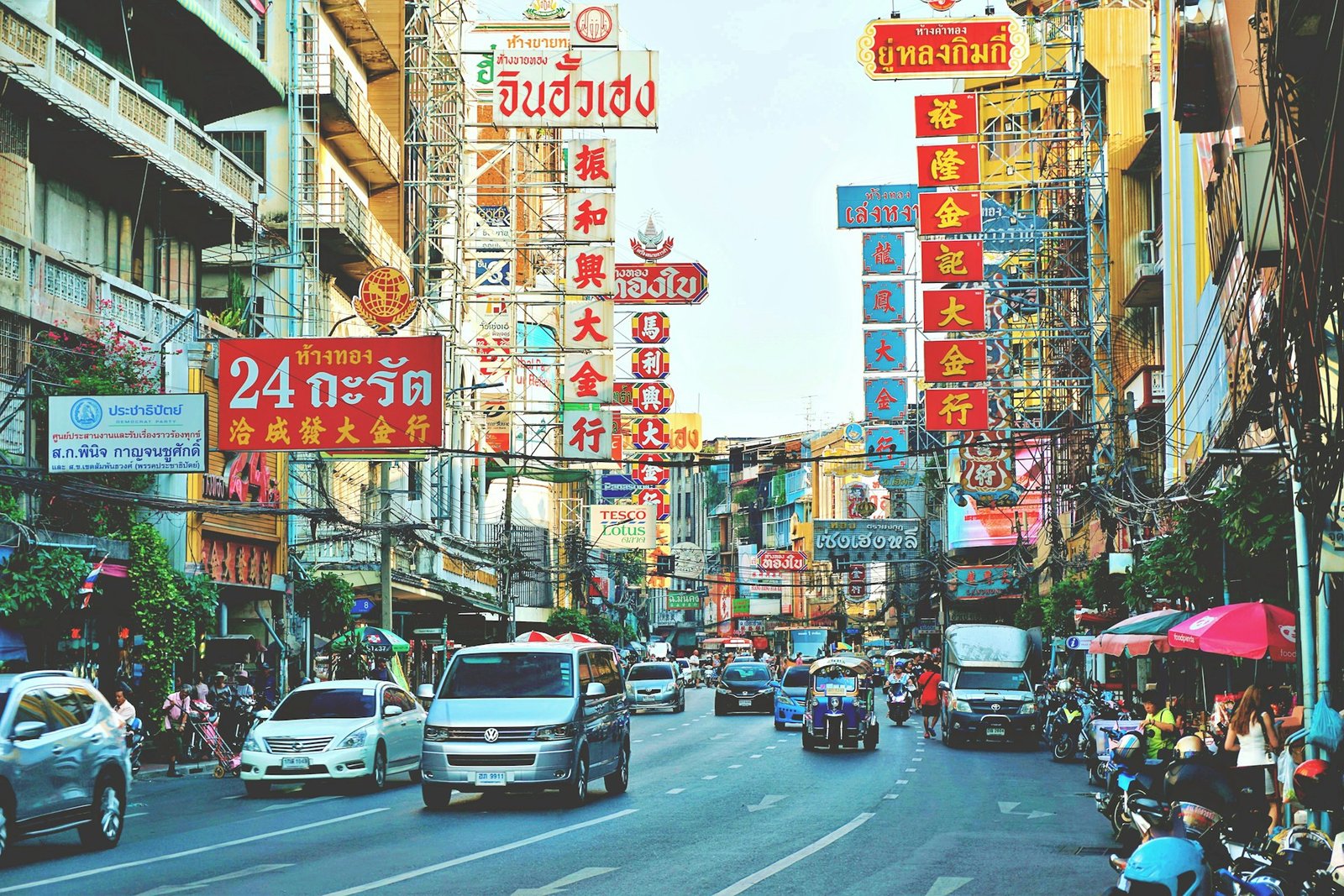
4. Share Your Itinerary (Yes, Even When You’re Feeling Spontaneous)
I get it—part of travel’s appeal is spontaneity and freedom. But someone back home should know roughly where you are. Not in a helicopter-parent way, but in a “if I go missing, at least start looking in the right country” way.
I use FindPenguins to automatically track my location and share it with my sister. It’s passive, doesn’t require me to constantly update anyone, and gives her peace of mind. When I told her I was heading to a more remote area in Colombia, she at least knew where to tell authorities to search if I disappeared.
Google Maps also lets you share your live location with specific contacts. Enable it before that solo hike or late-night adventure.
5. Get Proper Travel Insurance (Not the Cheapest One)
Travel insurance is like a seatbelt—you hope you never need it, but when you do, you really need it. I once skipped insurance for a “quick weekend trip” to Amsterdam. Ended up with food poisoning that required an emergency room visit. The bill was €850. I’m still bitter about it.
Now I use World Nomads or SafetyWing for longer trips. They cover medical emergencies, trip cancellations, lost luggage, and even adventure activities if you upgrade. Read the fine print, though—some policies won’t cover you if you’re doing something risky like bungee jumping or motorcycle riding without proper licensing.
What to look for in travel insurance:
- Medical coverage (at least $100,000)
- Emergency evacuation
- Lost or stolen belongings
- Trip cancellation/interruption
- 24/7 support hotline
6. Learn Basic Local Phrases (Especially Emergency Ones)
You don’t need to be fluent, but knowing how to say “help,” “police,” “hospital,” and “I don’t understand” in the local language can be genuinely life-saving. I keep a small note in my phone with these phrases for wherever I’m traveling.
In Japan, I had a severe allergic reaction to something I ate. Being able to show restaurant staff the phrase “I need a hospital” (病院が必要です) in Japanese made the situation way less chaotic. They immediately called an ambulance and helped translate to the paramedics.
Google Translate app has an offline mode—download the language pack before you go. The camera translation feature is brilliant for reading signs and menus.
7. Be Strategic About Your Accommodation Choices
Not all hostels and hotels are created equal, and the cheapest option isn’t always the best deal when you factor in safety. I check multiple sources before booking:
- TripAdvisor reviews (filter for solo travelers and look for mentions of safety)
- Hostelworld security ratings
- Google Maps to see the actual neighborhood
- Recent reviews mentioning theft, harassment, or sketchy practices
I also look for places with:
- 24-hour reception or security
- Lockers in rooms (with my lock, not theirs)
- Well-lit entrances
- Proximity to public transportation
A slightly more expensive place in a safer area with better security is worth every extra dollar. I’d rather spend $15 more per night than deal with the hassle of stolen belongings.
8. Guard Your Drinks and Stay Aware at Night
This applies everywhere, not just in so-called “dangerous” destinations. Drink spiking happens in Barcelona and London just as much as anywhere else. I never leave my drink unattended at bars or clubs, and if I do, I order a new one when I come back.
When going out at night:
- Stick with a group when possible
- Use licensed taxis or rideshare apps like Uber or Bolt
- Avoid walking alone through unfamiliar areas after dark
- Keep your phone charged and accessible
- Let someone know where you’re going
I sound like someone’s dad here, I realize. But I’ve heard too many stories that started with “I thought it would be fine” and ended with “and that’s when everything went wrong.”
9. Invest in Decent Locks and Anti-Theft Gear
A flimsy lock on your hostel locker is basically a “please steal my stuff” sign. I travel with a Pacsafe portable safe for valuables and sturdy combination locks that can’t be easily picked.
Other gear worth considering:
- Anti-theft backpack (Bobby Anti-Theft Backpack is popular) with hidden zippers
- RFID-blocking wallet to prevent card skimming
- Cable lock for securing bags to fixed objects
- Door stop alarm for added hotel security
Do you need all of this? Probably not. But even one good lock and an anti-theft bag make you a less attractive target than the person next to you with their belongings visibly unsecured.
10. Trust Your Instincts and Know When to Say No
Here’s perhaps the most important tip: you don’t owe anyone anything. Not the overly friendly stranger offering to show you around. Not the taxi driver insisting you don’t need the meter. Not the shop owner who won’t let you leave without buying something.
I’ve said no to free tours that felt weird, turned down “discounted” excursions from unlicensed operators, and walked away from situations that just felt off. Every single time, I later heard stories or read reviews confirming my instincts were right.
Being polite is great. Being safe is better. If someone’s making you uncomfortable, you can simply leave. It’s not rude to protect yourself.
The Balance Between Caution and Experience
Look, I’m not trying to scare you out of traveling. The world is mostly wonderful, and most people are genuinely kind and helpful. I’ve had strangers in Morocco invite me for tea, locals in Vietnam help me fix my broken bike, and fellow travelers in Peru share their food when I ran out of cash before an ATM visit.
But smart travel means acknowledging that bad things can happen and taking reasonable precautions so they’re less likely to happen to you. It’s like wearing a helmet while cycling—you’re not expecting to crash, but you’re not taking unnecessary risks either.
The best trips I’ve had weren’t the ones where I was most carefree and spontaneous. They were the ones where I felt secure enough to actually relax and enjoy myself. And that security came from being prepared.
Final Thoughts
Travel safety isn’t about avoiding adventure or being paranoid about every interaction. It’s about stacking the odds in your favor so that when something does go wrong—and eventually, something will—it’s an inconvenience rather than a disaster.
The difference between a lost wallet being a funny story (“and that’s how I ended up washing dishes for my dinner in Rome”) and a trip-ending catastrophe often comes down to these simple preparations. Digital backup of your documents, multiple forms of payment, proper insurance, and basic awareness can turn potential disasters into mere anecdotes.
So yes, book that flight. Take that risk. Talk to strangers. Eat the street food. Get wonderfully lost in unfamiliar cities. Just do it with your eyes open and a backup plan in your pocket. Your future self—the one who makes it home with all their belongings and incredible stories—will thank you.
Frequently Asked Questions
Question: What should I do if my passport gets stolen while traveling abroad?
Answer: Report it immediately to local police and get a police report. Contact your country’s nearest embassy or consulate—they can issue emergency travel documents. This is where having digital copies of your passport becomes crucial for identity verification. Most embassies can issue temporary documents within 24-48 hours.
Question: Is travel insurance really necessary for short trips?
Answer: Yes, even for weekend trips. Medical emergencies don’t care about your itinerary length. A single emergency room visit abroad can cost thousands. Basic travel insurance is relatively inexpensive—usually $4-8 per day—and covers medical emergencies, trip cancellations, and lost belongings.
Question: How can I avoid pickpockets in crowded tourist areas?
Answer: Keep valuables in front pockets or inner jacket pockets, never in back pockets or outside backpack compartments. Use anti-theft bags with hidden zippers. Stay aware in crowded spaces like metros, markets, and popular attractions. If someone bumps into you or creates a distraction, immediately check your belongings.
Question: What’s the safest way to carry money while traveling?
Answer: Distribute your money across multiple locations—some in your wallet, some in a money belt, some in your accommodation safe. Carry a mix of cash and cards. Use ATMs inside banks during business hours when possible. Notify your bank of travel plans to avoid card blocks.
Question: Should I drink tap water in foreign countries?
Answer: Research your specific destination. In most Western European countries, Japan, Australia, and New Zealand, tap water is safe. In many parts of Asia, Africa, Latin America, and Eastern Europe, stick to bottled water. When in doubt, use bottled water even for brushing teeth. Apps like “Can I Drink The Water” provide country-specific information.
Question: How do I stay safe when using public WiFi abroad?
Answer: Never access banking or sensitive accounts on public WiFi without protection. Use a VPN (Virtual Private Network) like NordVPN or ExpressVPN to encrypt your connection. Avoid entering passwords or credit card information on unsecured networks. Turn off automatic WiFi connection on your devices.
Question: What should be in my travel first aid kit?
Answer: Basic bandages, antiseptic wipes, pain relievers (ibuprofen/acetaminophen), antihistamines for allergic reactions, anti-diarrheal medication, motion sickness pills, any prescription medications, blister treatment, and hand sanitizer. Add altitude sickness medication if heading to high elevations.
Question: How can I protect my belongings in hostel dorm rooms?
Answer: Always use the provided lockers with your own sturdy lock. Never leave valuables on your bed or in accessible bags. Keep your most important items (passport, money, cards) on your person even when sleeping—use a slim money belt or neck pouch under your clothes. Get travel insurance that covers theft.
Question: Is it safe to travel alone as a woman?
Answer: Millions of women travel solo safely every year, but extra precautions help. Research destinations thoroughly, dress appropriately for local customs, avoid walking alone late at night, tell someone your plans, trust your instincts, and perhaps join group tours or stay in social accommodations to meet other travelers. Country-specific women’s travel forums provide valuable insights.
Question: What documents should I carry versus leave in my accommodation?
Answer: Carry: one form of ID (photocopy of passport works in many places), one credit card, some cash, travel insurance card, accommodation address. Leave in safe: actual passport (unless required by law to carry), extra credit cards, excess cash, backup debit card, copies of important documents. Always have digital backups accessible online.
Top Travel Safety Products and Recommendations
- Pacsafe Portable Safe – Slash-proof, lockable bag that secures to fixed objects; perfect for hostel rooms and beach days.
- World Nomads Travel Insurance – Comprehensive coverage including adventure activities, with policies available for travelers already abroad.
- Bobby Anti-Theft Backpack – Hidden zippers, cut-proof material, and USB charging port make this popular among digital nomads and city travelers.
- LifeStraw Personal Water Filter – Portable filter that removes bacteria and parasites from water; essential for adventurous travelers and areas with questionable water safety.
- Tile Mate Bluetooth Tracker – Attach to luggage, keys, or wallet to track via smartphone if lost; works even when offline through Tile’s community network.
- Eagle Creek Pack-It Cubes – Organization system that makes packing efficient and helps you notice immediately if something’s missing from your bag.
- NordVPN – Secure VPN service that protects your data on public WiFi; essential for accessing banking and sensitive information while traveling.
- SafetyWing Travel Insurance – Affordable monthly subscription model perfect for digital nomads and long-term travelers; covers 180+ countries.
- Anker PowerCore Portable Charger – High-capacity battery pack ensures your phone stays charged for navigation, communication, and emergencies.
- First Aid Only All-Purpose Kit – Comprehensive 300-piece kit covering everything from minor cuts to more serious injuries.
- REI Money Belt – Slim, moisture-wicking belt that conceals cash and cards under clothing; more comfortable than traditional money belts.
- Master Lock TSA-Approved Luggage Locks – Security for checked luggage that airport security can open without breaking; comes in combination or key options.
- SteriPEN Water Purifier – UV light purifier that treats water in 90 seconds; more effective than chemical tablets against viruses.
- Google Fi Phone Plan – Mobile service that works in 200+ countries without roaming fees; pay only for data you use.
- SeatoSummit Traveling Light RFID Wallet – RFID-blocking wallet prevents electronic pickpocketing of credit card information.
- Lewis N. Clark Door Alarm – Portable alarm that hangs on door handles; sounds loudly if door is opened, adding security to hotel rooms.
- Lonely Planet City Guides – Trusted travel guides with detailed safety information, neighborhood breakdowns, and emergency contacts for destinations worldwide.
- Hostelworld – Not just a booking platform; detailed reviews include safety ratings, security features, and neighborhood information from real travelers.
- GeoSure Global Safety App – Real-time safety scores for neighborhoods worldwide based on various risk factors; helps identify safe areas in unfamiliar cities.
- International SOS Medical Assistance – Premium medical and security assistance service providing 24/7 support, medical evacuations, and country-specific risk assessments.