

There is a specific brand of exhaustion that only hits when you realize the “friendly” local who just spent twenty minutes showing you a “secret” shortcut to the cathedral is now demanding forty Euro for his unsolicited consultancy. It’s not just about the money, though the money matters. It’s the sudden, cold realization that your instinct for human connection was actually just a vulnerability in your personal security software. We like to think of ourselves as the protagonists of our own grand adventures, but to a certain subset of the population in high-footfall tourist zones, we are essentially just walking ATMs with questionable fashion choices and a terminal case of misplaced politeness.
The following list isn’t meant to turn you into a shut-in or a paranoid wreck—though a healthy dose of skepticism is probably the best souvenir you can carry. These thirteen scams range from the classic “broken” taxi meter to more elaborate, psychologically-tailored theatrical productions involving “spilled” condiments or “found” jewelry. I think we often fall for these things because we’re afraid of being rude, or perhaps because we desperately want the world to be as charming as the brochure promised. It usually isn’t. Or, at least, the guy offering you a “free” friendship bracelet definitely isn’t. Stay sharp.

Why Travelers Make Perfect Targets
Let me paint you a picture. You’ve just landed after a nine-hour flight. You’re disoriented, possibly hungover from airplane wine, clutching a paper map like it’s 2003, and wearing that slightly dazed expression that screams “I have no idea where I am.” Scammers can smell this from three blocks away.
We’re vulnerable when we travel because we’re outside our comfort zones. The usual red flags that would make us suspicious at home somehow don’t register when we’re navigating a foreign language, currency, and culture. Plus, there’s this weird optimism that kicks in on vacation—we want to believe people are helpful and kind. Most are, actually. But the ones who aren’t have turned deception into an art form.
The 13 Most Common Travel Scams (And How to Avoid Them)
1. The Taxi Meter “Malfunction”
This is perhaps the most universal scam on the planet. You hop into a taxi at the airport, and suddenly the meter is “broken” or the driver conveniently “forgets” to turn it on. By the time you reach your hotel, he’s asking for five times the normal fare, and you’re too exhausted to argue properly.
I’ve encountered this in places ranging from Istanbul to Mexico City. The worst part? Sometimes legitimate taxis do have broken meters, so it’s not always a scam. But if you’ve negotiated a price beforehand and the driver suddenly claims he meant “per person” or “plus luggage fees,” yeah, you’re being conned.
How to avoid it: Use ride-sharing apps like Uber or Bolt wherever possible. If that’s not an option, ask your hotel the approximate fare before you leave and insist the driver uses the meter. Take a photo of the taxi license plate before getting in—scammers hate documentation.
2. The “Closed Today” Redirect Scam
You’re heading to that famous temple or museum, and a friendly local stops you. “Oh, so sorry, it’s closed today for a religious ceremony. But I know a great place nearby—my cousin can take you there in his tuk-tuk!”
Spoiler: The attraction isn’t closed. His cousin is going to drive you to an overpriced gem shop where they’ll pressure you into buying “authentic” stones for wildly inflated prices. This scam is particularly common in Bangkok and Agra but exists in various forms worldwide.
How to avoid it: Verify closures with official sources, not random strangers. Check Google Maps, the attraction’s official website, or call ahead. If someone approaches you unsolicited with bad news about your plans, politely ignore them and continue walking.
3. The Bracelet/Flower/Rosemary Scam
Picture this: You’re admiring the Sacré-Cœur in Paris when someone forcefully ties a bracelet around your wrist or shoves flowers into your hand. Before you can react, they’re demanding payment—often aggressively, sometimes with accomplices who surround you.
I watched this happen to a couple near the Trevi Fountain in Rome. The woman accepted what she thought was a “gift” of rosemary, and suddenly three people were demanding €20. The psychological pressure is real—you’re surrounded, confused, and worried about causing a scene.
How to avoid it: Keep your hands in your pockets or behind your back when walking through touristy areas. If someone approaches with anything, say “no” firmly and keep moving. Don’t engage, don’t accept, don’t feel guilty. These aren’t struggling artists; they’re professional hustlers.
4. The Fake Police Officer Scam
This one’s particularly insidious because it preys on our instinct to comply with authority. Someone in an official-looking uniform (or sometimes just a badge) approaches you, claiming they need to check your wallet for counterfeit money or inspect your passport for irregularities.
A friend of mine encountered this in Prague. Two men flashed badges and said they needed to verify his cash. He handed over his wallet—they flipped through it, gave it back, and left. Only later did he realize €200 was missing.
How to avoid it: Real police rarely approach tourists randomly to inspect cash or documents on the street. If someone claims to be police, ask to see identification and suggest moving to the nearest police station to sort things out. Legitimate officers will agree; scammers will disappear. Never hand over your wallet—offer to show its contents without releasing it from your hands.
5. The Distraction Theft
This isn’t exactly a “scam” in the traditional sense, but it’s so common it deserves mention. Someone spills something on you, bumps into you dramatically, or asks for complicated directions while an accomplice rifles through your bag or pockets.
The execution can be remarkably sophisticated. I’ve seen teams work Barcelona’s Las Ramblas with the precision of Ocean’s Eleven. One person creates the distraction, another blocks your movement, and a third does the actual theft—all in under 30 seconds.
How to avoid it: Wear your bag in front of you in crowded areas. If something weird happens—someone bumps into you unusually hard or creates a sudden commotion—immediately check your valuables before engaging with the situation. Trust your gut if something feels orchestrated.
6. The Currency Exchange Hustle
The rate on the board says one thing, but somehow the amount you receive says another. Or they count it out quickly with sleight of hand, shortchanging you by folding bills or miscounting on purpose.
Airport and train station exchange kiosks are notorious for this, advertising great rates in huge numbers while hiding catastrophic fees in small print. I once exchanged money in Budapest and didn’t realize until later that the “0% commission” place had given me a rate so terrible it was effectively a 20% fee.
How to avoid it: Use ATMs from major banks instead of exchange kiosks when possible. If you must exchange cash, count everything slowly and carefully before leaving the counter—don’t let them rush you. Check XE.com for current rates so you know what’s reasonable.
7. The “Free” Walking Tour That Isn’t Free
The tour is advertised as free, and technically it is—until the end when the guide makes it abundantly clear that tips of €20-30 per person are “expected” and anything less is insulting. They’re not wrong that guides deserve payment, but the deceptive marketing creates an awkward situation.
I’m not saying these tours are scams in the criminal sense, but there’s definitely something dishonest about calling something “free” when it really operates on mandatory tipping. You feel trapped—do you look cheap, or do you pay what amounts to more than a regular paid tour?
How to avoid it: Just book a regular paid tour instead. Check GetYourGuide or Viator for transparent pricing. If you do take a “free” tour, budget €10-15 per person for the tip and don’t feel pressured to pay more than you can afford.
8. The Restaurant Menu Price Switch
You order from a menu with reasonable prices, but the bill arrives with completely different amounts. When you question it, they produce a different menu or claim prices have “just changed” or were “lunch prices only” or some other excuse.
This happened to me in Marrakech. The tagine was listed as 60 dirhams; the bill said 160. When I pointed this out, suddenly the waiter couldn’t understand English anymore. We eventually sorted it out, but it left a sour taste beyond the actual food.
How to avoid it: Take photos of menu prices before ordering, especially if they seem unusually low. Check your bill carefully before paying. Look for places with prices clearly displayed and recent, positive reviews on TripAdvisor or Google. If a restaurant refuses to honor the prices shown, stand your ground or leave.
9. The Broken Taxi/Rental Car Scam
You rent a scooter or car, and when you return it, the owner points out “damage” that was supposedly already there. Now you’re on the hook for hundreds or thousands in repairs.
A variation: Your taxi driver takes a suspiciously bumpy route, then claims you damaged his vehicle by closing the door too hard or dropping something, demanding immediate cash payment for repairs.
How to avoid it: Take timestamped photos and videos of rental vehicles from every angle before driving away. Document existing scratches, dents, everything. For taxis, this is trickier—but knowing the scam exists makes you less likely to pay if it happens. Insist on seeing actual damage and refuse to pay cash for alleged repairs without documentation.
10. The Fake Ticket Seller
You’re at a train station or tourist attraction, and someone in a uniform-ish outfit offers to help you buy tickets or skip the line for a small fee. Either they’re selling fake tickets, charging you way more than actual price, or leading you to an unofficial ticket scalper situation.
I almost fell for this at the Alhambra in Granada. A man in what looked like official attire offered to “help” me get tickets for that day (which were sold out). He wanted €80 per person. The actual price online was €14. When I declined and checked the official website again, timed-entry tickets were still available—he was just lying about the sellout.
How to avoid it: Always buy tickets from official sources. Most major attractions now have apps or websites. Use Tiqets for legitimate skip-the-line options. If someone approaches you unsolicited offering ticket “help,” assume it’s a scam until proven otherwise.
11. The Attractive Stranger Who Wants to Party
A friendly local—often attractive and charming—strikes up a conversation and suggests going to a “great bar they know.” You end up at a sketchy establishment where drinks cost €50 each, and intimidating staff insist you pay the absurd bill.
This scam particularly targets solo male travelers in places like Prague, Barcelona, and Budapest. The person who brought you gets a commission; you get a terrifying bill and possibly worse if you refuse to pay.
How to avoid it: Be skeptical of strangers who are overly friendly and immediately suggest going somewhere together, especially if they’re evasive about where exactly you’re going. Check venue names and reviews before entering. If you find yourself in this situation, stay calm, pay the minimum you can negotiate, and leave. Report it to actual police afterward.
12. The Petition Scam
Someone approaches with a clipboard, asking you to sign a petition for a seemingly good cause—deaf children, environmental protection, peace. While you’re focused on the clipboard, an accomplice picks your pocket. Or, after signing, they demand a “donation” of specific amounts and become aggressive if you refuse.
These scammers often target areas near major landmarks. I’ve seen them operating outside the Colosseum, near Notre-Dame, and around Checkpoint Charlie in Berlin.
How to avoid it: Don’t engage with petition gatherers in tourist areas—legitimate charity work doesn’t typically happen in these locations. Keep walking and say “no thank you” without stopping. If someone does get you to stop, keep your hands on your belongings and don’t pull out your wallet.
13. The Hotel Front Desk Call
You’re asleep in your hotel room when the phone rings. Someone claiming to be from the front desk says there’s a problem with your credit card or reservation and needs you to verify your card number or payment information.
This isn’t someone from the hotel—it’s a scammer who’s called random room numbers hoping to catch someone groggy enough to comply. It’s remarkably effective at 2 AM when your brain isn’t fully functioning.
How to avoid it: Never give financial information over the phone in your hotel room. If the call seems legitimate, hang up and call the front desk using the number on your room phone or keycard folder. Real hotels will never request your full card number or security code by phone.
Red Flags That Something’s Wrong
After traveling through 40-something countries, I’ve developed a sort of scam radar. Here’s what makes my internal alarm go off:
- Unsolicited help from overly friendly strangers near tourist attractions
- Someone creating urgency (“special price today only,” “last tickets available”)
- Aggressive physical contact or invasion of personal space
- Requests to go somewhere specific without a clear, verifiable reason
- Prices that seem too good to be true—they usually are
- People who get defensive or angry when you ask questions or hesitate
- Scenarios where you’re asked to pay before receiving the service
Trust these instincts. Better to offend someone by being cautious than to lose money, documents, or worse.
What to Do If You’ve Been Scammed
First, don’t beat yourself up. These scammers are professionals who’ve refined their techniques across thousands of victims. Smart people fall for scams—it’s not about intelligence; it’s about circumstance and timing.
If it just happened:
- Document everything: Take photos, write down names, get receipts if possible
- Report it: File a police report even if you don’t expect to recover the money—it helps establish patterns
- Contact your bank or credit card company if financial information was compromised
- Report to your embassy if you’ve lost your passport or substantial documents
- Leave reviews warning others about specific businesses or individuals
Consider it an expensive lesson in situational awareness. The silver lining? You’re significantly less likely to fall for something similar again.
Tools That Actually Help
Beyond common sense, a few things make you less vulnerable:
- RFID-blocking wallet: Stops digital pickpocketing of credit cards (Bellroy makes good ones)
- Money belt or hidden pocket: Not fashionable but effective for backup cash and documents
- Portable door lock: Adds security to sketchy hotel rooms (Addalock is popular)
- VPN service: Protects your data on public WiFi—use NordVPN or ExpressVPN
- Google Maps offline downloads: Helps you navigate without looking lost and vulnerable
- Travel insurance: Won’t prevent scams but covers theft and loss—check World Nomads or SafetyWing
The Bigger Picture
Here’s what bothers me most about travel scams: they erode the actual connections that make travel meaningful. After someone tries to con you, you become suspicious of genuine kindness. That person offering directions? Probably helpful. But maybe not. And that hesitation, that wall you put up—it diminishes the experience.
The goal isn’t to be paranoid. It’s to be aware. Most people in the world are decent humans trying to live their lives, not professional scammers plotting your downfall. The trick is developing enough street smarts to spot the difference without becoming cynical.
I still chat with strangers. I still accept recommendations from locals. But I do it with my eyes open and my hand on my wallet—metaphorically and sometimes literally. It’s a balance, and honestly, you’ll probably find your own version of it after a few trips.
Final Thoughts (Not a Conclusion, Just… Thoughts)
Travel scams are frustrating, but they’re also somewhat inevitable if you’re doing enough traveling. What matters is minimizing your vulnerability and knowing how to respond when something feels off.
Stay alert in crowded places. Question deals that seem too good. Trust your instincts when someone’s behavior feels manipulative. And remember that the vast majority of your interactions will be genuine—don’t let the possibility of scams prevent you from experiencing the generosity and kindness that makes travel extraordinary.
Besides, every traveler needs at least one “and then I almost got scammed” story for dinner parties. Just try to make sure it stays in the “almost” category.
Frequently Asked Questions
What is the most common travel scam?
Answer: Taxi meter scams are probably the most universally common, happening in nearly every tourist destination worldwide. The meter is “broken,” never turned on, or the driver negotiates a price then claims he meant per person. It’s so prevalent because tourists are vulnerable immediately after arriving when they’re tired, disoriented, and need transportation. Using ride-sharing apps or arranging airport transfers through your hotel in advance helps avoid this situation entirely.
How can I avoid getting scammed while traveling?
Answer: Maintain situational awareness, especially in tourist-heavy areas. Research common scams in your destination before arriving. Be skeptical of unsolicited help, deals that seem too good, and anyone creating artificial urgency. Keep your valuables secure and in front of you in crowds. Trust your instincts—if something feels wrong, it probably is. Document everything with photos when renting vehicles or exchanging money.
What should I do if I get scammed abroad?
Answer: Stay calm and remove yourself from the situation safely. Document everything including names, locations, receipts, and photos if possible. File a police report even if you don’t expect to recover the money—it creates an official record. Contact your bank immediately if financial information was compromised. Report stolen passports to your embassy. Leave online reviews warning other travelers about specific businesses or scams you encountered.
Are travel scams illegal in most countries?
Answer: Yes, scams are illegal everywhere, but enforcement varies dramatically. Some destinations prioritize tourist safety and prosecute scammers aggressively, while others have overwhelmed or corrupt police forces that don’t prioritize these crimes. Many scams operate in gray areas that are hard to prosecute—like overcharging without a receipt or using high-pressure sales tactics. This is why prevention is more realistic than seeking justice after the fact.
How do I spot a fake police officer?
Answer: Real police rarely approach tourists randomly to inspect money or documents on the street. Legitimate officers carry proper identification and will agree to move to an official police station if you request it. Fake officers often work in pairs, dress in unofficial-looking uniforms, and create urgency or intimidation. Never hand over your wallet—offer to show contents without releasing it. If in doubt, call the local emergency number and ask for verification.
What are the safest ways to exchange currency while traveling?
Answer: ATMs from major international banks typically offer the best exchange rates and security, though your home bank may charge foreign transaction fees. Avoid airport and train station exchange kiosks which advertise good rates but hide fees in fine print. If using an exchange service, count all money carefully before leaving the counter and check current rates on XE.com so you know what’s reasonable. Consider getting a travel-friendly credit card with no foreign transaction fees.
Is it safe to use public WiFi when traveling?
Answer: Public WiFi in hotels, cafes, and airports is convenient but vulnerable to hackers who can intercept your data. Always use a VPN (Virtual Private Network) when connecting to public networks—services like NordVPN or ExpressVPN encrypt your connection. Avoid accessing banking or sensitive accounts on public WiFi even with a VPN if possible. Turn off auto-connect features on your devices so you’re not automatically joining unsecured networks.
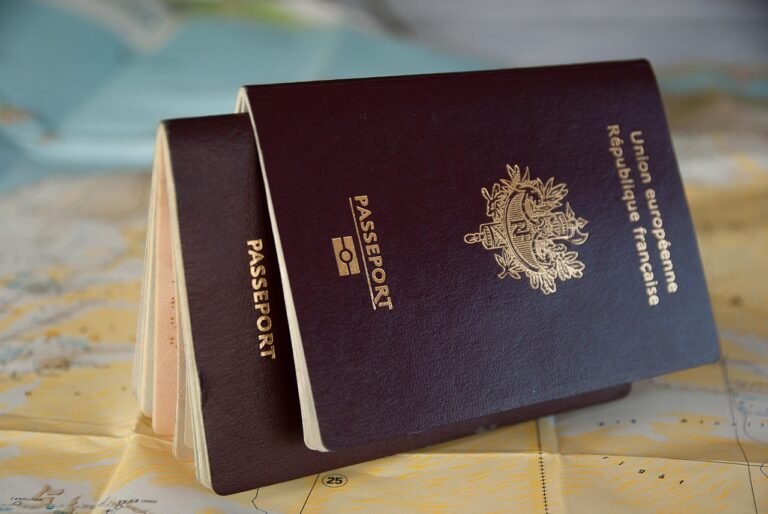
How can I protect my passport from being stolen?
Answer: Keep your passport in a hotel safe when you don’t need it—carry a photocopy or digital copy on your phone for daily activities. If you must carry it, use a hidden money belt or inner pocket rather than an external bag. Consider getting a passport holder with RFID-blocking technology. Never hand your passport to anyone except official border control, police at actual stations, or verified hotel staff for registration. If it’s stolen, report to local police and your embassy immediately.
What’s the best way to carry money safely while traveling?
Answer: Distribute money across multiple locations—some in your wallet, some in a money belt, some in your hotel safe. Don’t keep all cards and cash together. Use an RFID-blocking wallet to prevent digital pickpocketing. In crowded areas, keep your bag in front of you and a hand on your valuables. Consider using a dummy wallet with expired cards and small cash for potential robberies. Notify your bank of travel dates so legitimate transactions aren’t flagged as fraud.
Are skip-the-line tour tickets worth it?
Answer: For extremely popular attractions with notorious wait times—like the Vatican, Alhambra, or Anne Frank House—skip-the-line tickets are absolutely worth it and save hours. However, buy only from official sources or reputable platforms like GetYourGuide, Viator, or Tiqets. Never buy from people approaching you on the street claiming to have tickets or access. Some attractions include fast-track access with standard admission, so research before paying extra for something you might already have.
How do I know if a “free walking tour” is legitimate?
Answer: Legitimate free walking tours operate on a tip-based model with experienced guides who provide good value, expecting €10-15 per person at the end. Red flags include guides who state specific mandatory amounts beforehand, seem unprepared or unprofessional, or lead you to commission-based shops. Check reviews on TripAdvisor or Google before booking. Companies like Sandemans and Guru Walk have established reputations. If you prefer transparent pricing, book regular paid tours instead.
What are the warning signs of a restaurant scam?
Answer: Be suspicious of aggressive touts pulling you inside, menus without prices, or prices that seem unusually low for the location. Take photos of menu prices before ordering. Watch for the menu switcheroo where the bill shows different prices than what you ordered from. Be wary of restaurants with no locals dining there in otherwise busy areas. Check recent reviews online—lots of complaints about overcharging is an obvious red flag. Always verify your bill matches menu prices before paying.
Can I trust reviews on TripAdvisor and Google?
Answer: Mostly, yes, but read critically. Look for detailed reviews from verified visitors rather than generic praise. Check the date—recent reviews matter more than ones from years ago. Be suspicious of businesses with only five-star reviews or patterns of similar language suggesting fake reviews. Look for reviewers who have posted multiple reviews in different locations rather than single-review accounts. Photos from reviewers are more reliable than ones from the business. Use reviews as one data point alongside other research.
What’s the difference between a scam and just being overcharged as a tourist?
Answer: The line is sometimes blurry. A scam involves deliberate deception—fake tickets, broken meter tricks, distraction theft, or claiming attractions are closed when they’re not. Being overcharged typically means paying inflated “tourist prices” that, while frustrating, aren’t technically fraudulent if the price is stated upfront. Some cultures have two-tier pricing for locals versus tourists which feels unfair but isn’t illegal. Both are worth avoiding, but scams often have legal recourse while overcharging usually doesn’t unless prices weren’t disclosed.
Top Products & Travel Resources
Bellroy Travel Wallet RFID-blocking wallet designed for travelers with passport storage, multiple currency sections, and pick-pocket resistant design.
Pacsafe Anti-Theft Backpack Slash-resistant bags with locking zippers and RFID protection, popular among long-term travelers and digital nomads.
Tile Tracker Bluetooth tracking device you can attach to luggage, wallets, or bags to locate them if lost or stolen.
Addalock Portable Door Lock Adds extra security to hotel rooms and Airbnbs by preventing doors from opening even with a key.
World Nomads Travel Insurance Comprehensive coverage for adventure activities, theft, medical emergencies, and trip cancellations—popular with backpackers.
SafetyWing Insurance Affordable travel medical insurance that works for digital nomads and long-term travelers, charged monthly.
NordVPN Virtual Private Network service that protects your data when using public WiFi in hotels, cafes, and airports.
ExpressVPN Fast, reliable VPN with servers in 94 countries, useful for both security and accessing region-locked content while traveling.
Google Fi Wireless International phone plan that works in 200+ countries with no roaming fees—eliminates the need for local SIM cards.
Wise (formerly TransferWise) Multi-currency debit card with better exchange rates than traditional banks and low foreign transaction fees.
GetYourGuide Legitimate booking platform for tours, attractions, and experiences with transparent pricing and customer reviews.
Viator TripAdvisor-owned tour booking site with skip-the-line tickets and experiences for major destinations worldwide.
Tiqets Last-minute mobile tickets for museums and attractions, often with instant confirmation and skip-the-line access.
Rome2Rio Transportation planning tool showing all options for getting between destinations with time and cost estimates.
Uber / Bolt Ride-sharing apps that eliminate taxi meter scams with upfront pricing and digital payment.
Google Maps Essential navigation tool—download offline maps before traveling to avoid looking lost and vulnerable.
XE Currency Converter Real-time exchange rates so you know what’s reasonable before exchanging money or making purchases.
Revolut Digital banking app with excellent exchange rates, no foreign transaction fees, and built-in travel insurance options.
LifeStraw Water Filter Portable water filtration device that lets you safely drink tap water in destinations where it’s questionable.
Eagle Creek Packing Cubes Organization system that makes packing efficient and helps you keep track of belongings to avoid leaving things behind.