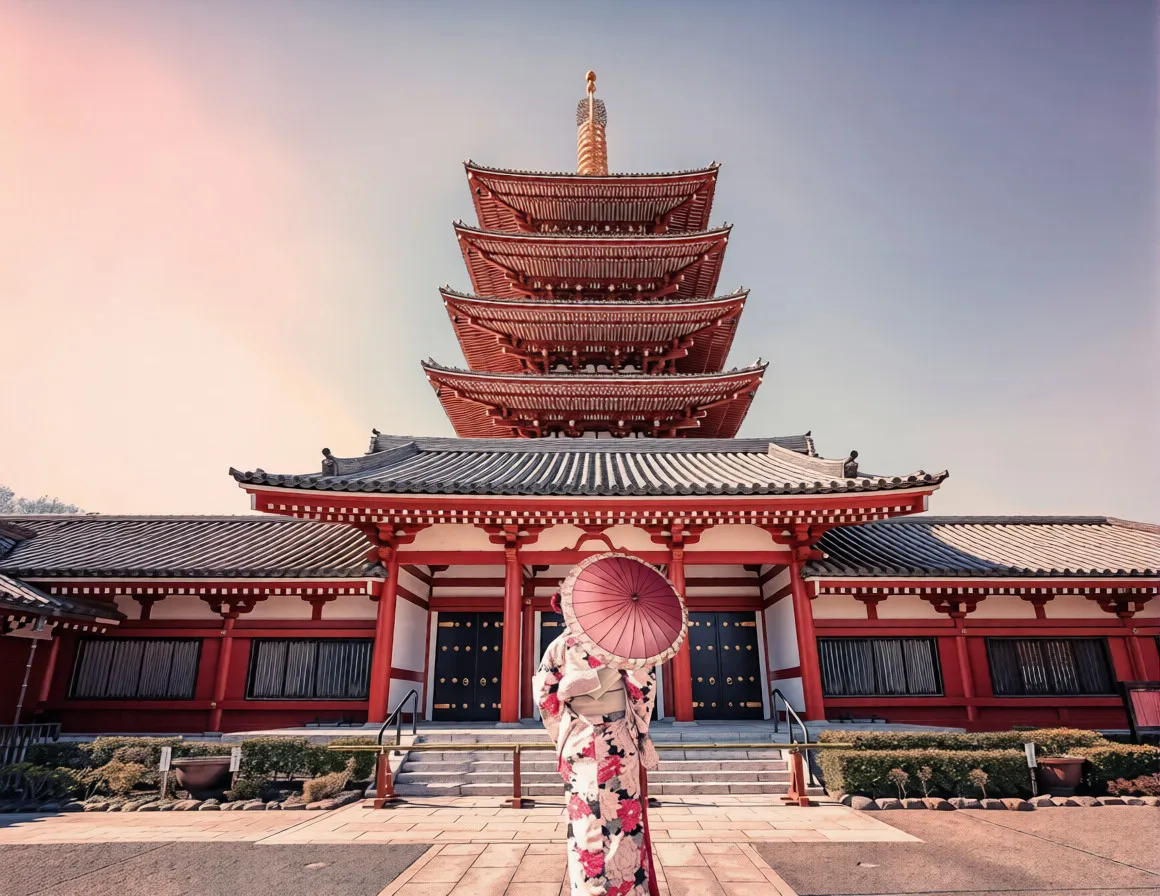

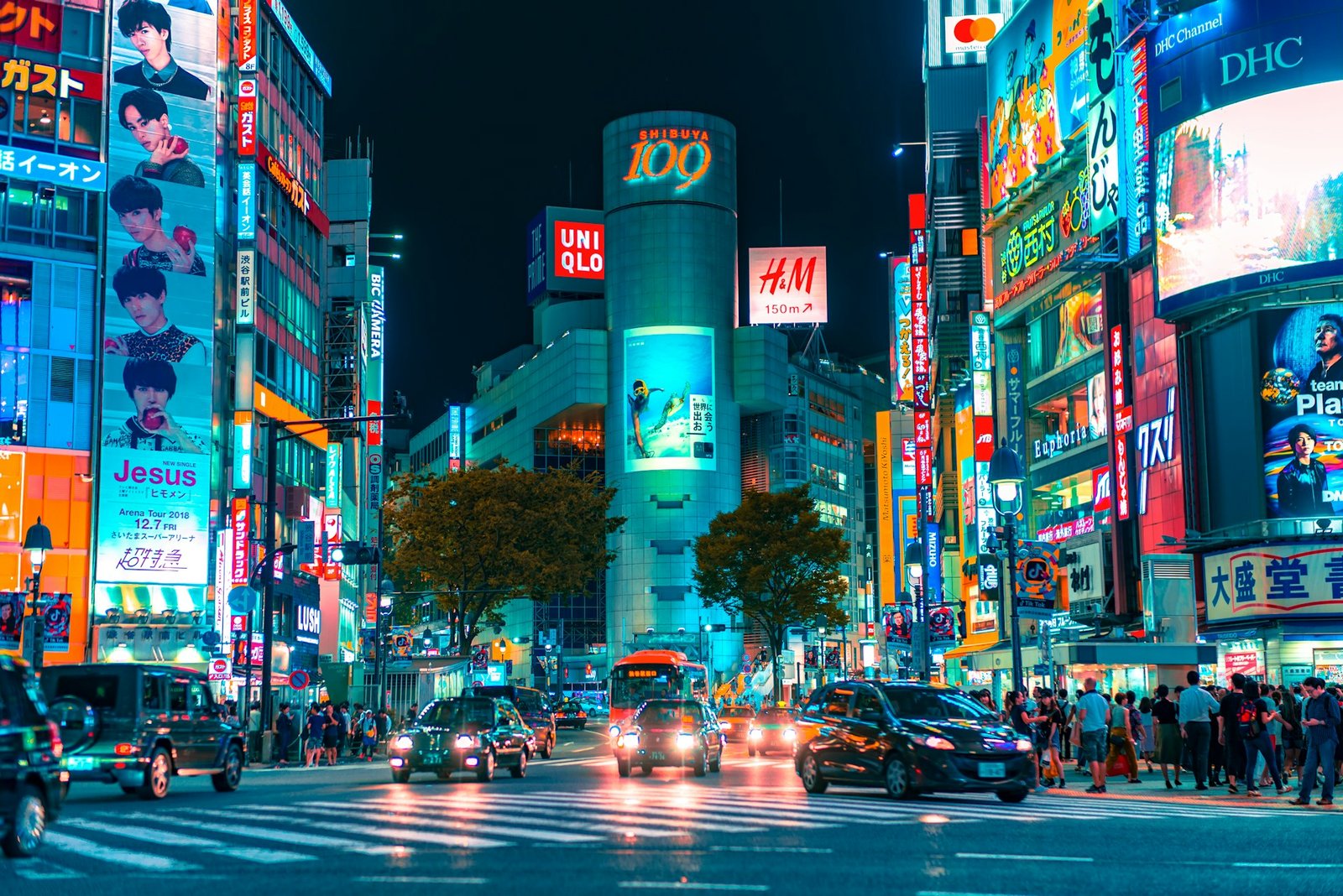
Tokyo is less a singular city and more a series of high-decibel fever dreams stitched together by the world’s most punctual trains. Choosing a base here is a bit like picking a personality for a week; you have to decide if you’re the type to seek out the neon-soaked chaos of Shinjuku or if you’d rather wake up to the smell of incense and old-world grit in Asakusa. Most guides will point you toward the Yamanote Line like it’s a religious obligation—and perhap they’re right, though I think there’s a certain dignity in being slightly “misplaced” in a neighborhood like Ebisu.
I’ve spent enough nights lost in Shibuya’s labyrinthine alleys to know that convenience is relative. You can stay in Ginza if you want your morning coffee served with a side of high-fashion intimidation, or you can retreat to the leafy, quiet corners of Meguro where the city actually feels human-scaled. It’s a massive, beautiful mess, really. Whether you’re here to chase Michelin stars or just want a clean bed near a 7-Eleven that sells decent egg salad sandwiches, where you drop your bags matters. Let’s look at the map.
Would you like me to break down the specific hotel gems in each of these neighborhoods?
Understanding Tokyo’s Geography (Before You Get Lost)
Tokyo’s layout can feel like a puzzle at first. The Yamanote Line, a loop train that circles the city’s central wards, is basically your new best friend. Most of the neighborhoods tourists care about sit either on this line or just off it.
The city’s eastern side tends to be more traditional—think temples, old merchant districts, and that nostalgic Showa-era vibe. Head west and you’ll find modern Tokyo in full force: skyscrapers, department stores, and enough LED screens to light up a small country.
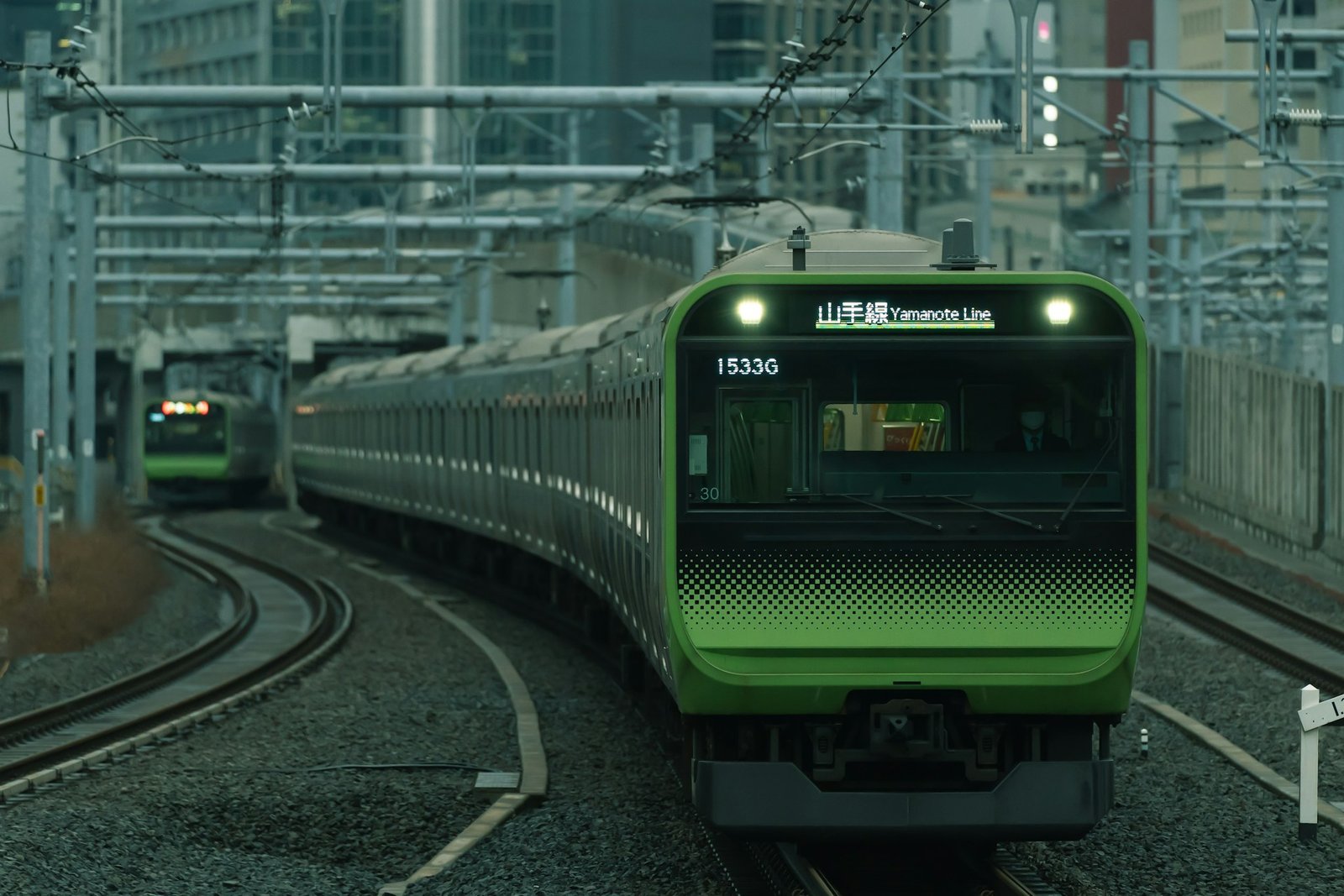
Understanding this geography matters because Tokyo’s trains stop running around midnight. If you’re someone who likes late nights out (and trust me, Tokyo’s nightlife can swallow you whole), staying near your favorite haunts makes life infinitely easier.
Shinjuku: Organized Chaos at Its Finest
Let’s start with Shinjuku, because it’s where I stayed, and it’s honestly hard to beat for first-timers. Shinjuku Station is the busiest train station in the world—I think something like 3.5 million people pass through daily—which sounds terrifying but actually means you can get anywhere in Tokyo within 30 minutes.
The neighborhood splits into distinct personalities. West Shinjuku is all business hotels and skyscrapers, including the free observation deck at the Tokyo Metropolitan Government Building that offers killer views without the Tokyo Tower price tag. East Shinjuku has the shopping, the restaurants, and Kabukicho—Tokyo’s red-light district, which is far less sketchy than it sounds and honestly just feels like Times Square with better ramen.
I loved waking up in Shinjuku because breakfast options ranged from convenience store onigiri (never underestimate a 7-Eleven rice ball) to proper hotel buffets. The area around Shinjuku Gyoen National Garden on the south side tends to be quieter if you want that urban buzz without the all-night karaoke screams.
Best for: First-time visitors, people who want to be everywhere quickly, night owls
Shibuya: Where Young Tokyo Lives
Shibuya feels like Tokyo turned up to eleven. That famous scramble crossing you’ve seen in every movie? It’s legitimately thrilling the first five times you cross it, then it becomes your commute and you’re just annoyed at tourists stopping in the middle to take photos (I was that tourist once, so no judgment).
This neighborhood skews young and energetic. Shopping here ranges from Shibuya 109 for fast fashion to the more upscale Hikarie complex. The side streets climbing up toward Daikanyama are where you’ll find quieter cafes and boutiques that feel more Brooklyn than Tokyo.
I’ll say this though—Shibuya gets exhausting if you’re not in the mood for crowds. Weekend afternoons can feel like you’re swimming upstream through a river of people. But if you’re here to feel Tokyo’s pulse, this is where you’ll find it beating fastest.
Best for: Twenty-somethings, fashion enthusiasts, people who thrive on urban energy
Harajuku/Omotesando: Fashion Forward Meets Peaceful Shrines
Right next to Shibuya sits Harajuku, and the contrast is fascinating. Walk down Takeshita Street on a Saturday and you’re engulfed by crepe stands, vintage clothing shops, and more teenagers than a One Direction concert circa 2012. But turn the corner to Meiji Shrine and suddenly you’re in a peaceful forest, watching Shinto priests conduct ceremonies under ancient trees.
Omotesando, Harajuku’s more sophisticated older sibling, is basically Tokyo’s Champs-Élysées. Think flagship stores for Dior and Prada, punctuated by architectural gems like the TOD’s building. The tree-lined streets here are genuinely lovely for evening strolls.
Hotels in this area tend toward the boutique end—smaller properties with more design consciousness. You’re paying for the neighborhood’s cachet, but if mornings starting with a walk through Yoyogi Park sound appealing, it might be worth it.
Best for: Culture seekers, fashionistas, people who want options (sacred and profane)
Ginza: Luxury Shopping and Surprisingly Good People-Watching
Ginza is where Tokyo puts on its fanciest clothes. This is the neighborhood for department stores with white-gloved elevator operators, Michelin-starred restaurants, and art galleries that require appointments. On weekends, the main avenue Chuo Dori closes to cars and becomes a pedestrian paradise—locals call it “Hokosha Tengoku” (pedestrian heaven).
Here’s what surprised me about Ginza: it’s not stuffy. Yes, you’ll see luxury you can’t afford (hello, Wako department store with your $300 chopsticks), but you’ll also find amazing standing sushi bars under the train tracks where salarymen demolish nigiri sets during lunch breaks.
The area around Tsukiji Outer Market remains brilliant for food adventures, even after the main market moved to Toyosu. Early morning is magic there—vendors grilling fish, knife shops that make you want to take up cooking, and the kind of food stalls where pointing and smiling counts as fluent Japanese.
Best for: Luxury travelers, foodies, art lovers, people who enjoy window shopping even when they can’t afford the windows
Asakusa: Old Tokyo’s Greatest Hits
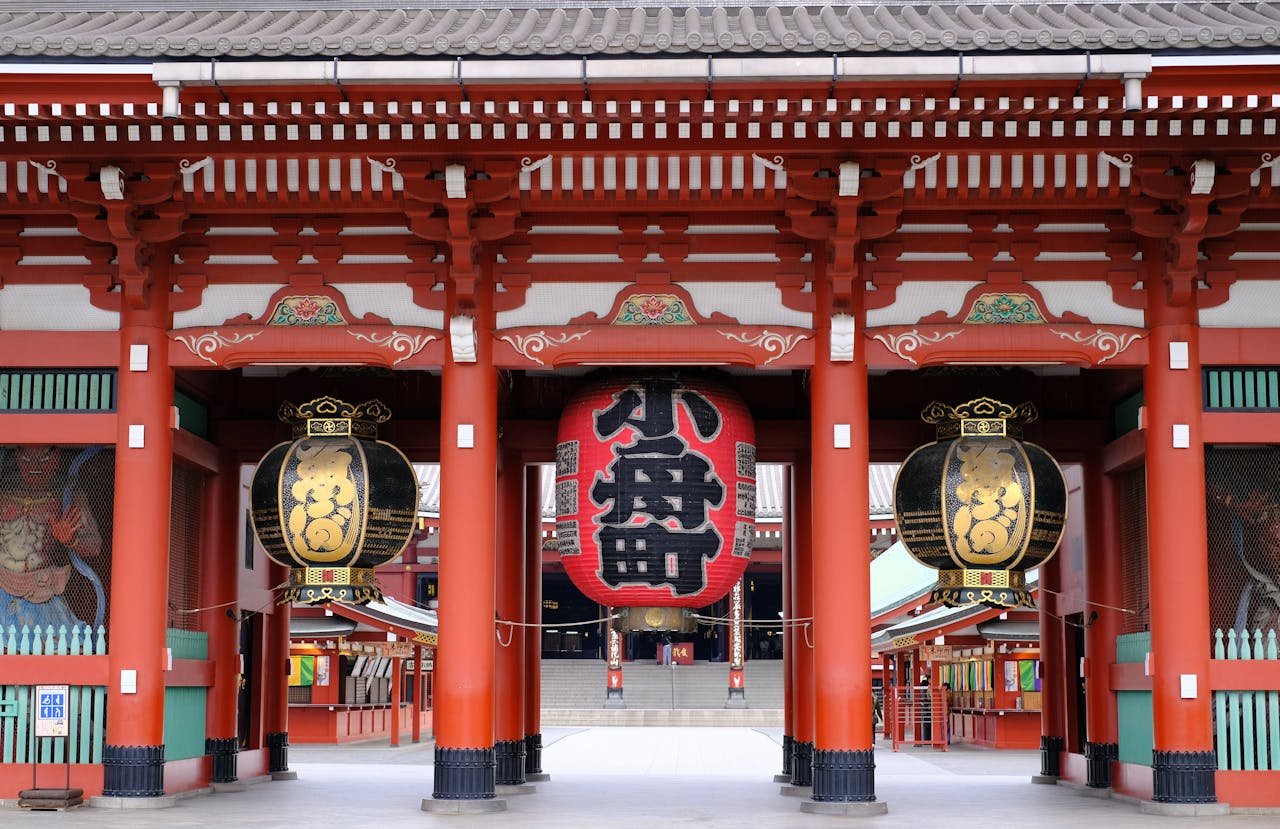
Asakusa feels like you’ve time-traveled. Senso-ji Temple, Tokyo’s oldest temple, dominates the neighborhood, and the approach through Nakamise Shopping Street hasn’t changed much in decades. The shops sell traditional souvenirs—folding fans, yukata robes, hand-crafted dolls—stuff that actually feels connected to Japanese culture rather than mass-produced keychains.
I stayed here on my second Tokyo trip specifically because I wanted a different vibe. Waking up to temple bells instead of train announcements hit differently. The pace is slower. You’ll see more older Japanese visitors, families, school groups. The whole area has this nostalgic quality, like Tokyo is remembering its own childhood.
The downside? Asakusa sits further from central Tokyo’s action. Getting to Shibuya or Shinjuku requires transfers. But perhap that’s the point—you’re choosing atmosphere over convenience, tradition over trendy.
Don’t miss the view from Tokyo Skytree in neighboring Oshiage. At 634 meters, it’s the tallest structure in Japan, and the observation deck legitimately makes your knees weak if you’re not great with heights.
Best for: Culture enthusiasts, photographers, travelers on second or third Tokyo visits, families
Roppongi: International Flavor and Killer Museums
Roppongi has a reputation, and not all of it’s flattering. Yes, it’s known for nightclubs that stay open until dawn. Yes, it attracted a certain “charisma man” expat crowd that gave the area a seedy edge. But Roppongi has transformed significantly in recent years, especially around Roppongi Hills and Tokyo Midtown.
The art scene here is exceptional. The Mori Art Museum sits atop Roppongi Hills with contemporary exhibitions that rival anything in New York or London. The National Art Center is an architectural wonder. These institutions attract a cosmopolitan crowd—you’ll overhear conversations in five languages at the museum cafes.
Food in Roppongi spans the globe. Craving Ethiopian food? Done. Want proper French technique? Michelin stars await. Miss home cooking from literally anywhere? Someone’s probably opened a restaurant serving it.
The international vibe means English is more commonly spoken here than other Tokyo neighborhoods. For some travelers, that’s a relief. For others seeking “authentic Japan,” it might feel disappointing.
Best for: Art lovers, nightlife seekers, international business travelers, people who want Tokyo with training wheels
Ueno: Museums, Parks, and Budget-Friendly Stays
Ueno doesn’t get enough love, in my opinion. Sure, it’s not glamorous—the area around Ueno Station can feel a bit gritty, with its pachinko parlors and standing bars. But Ueno Park is Tokyo’s cultural heart, hosting the Tokyo National Museum, the National Museum of Western Art, and the gorgeous Shinobazu Pond.
Cherry blossom season transforms Ueno Park into something magical. Office workers spread blue tarps under trees for hanami parties that start at lunch and end sometime around midnight. The drunken revelry under falling petals somehow manages to be both chaotic and charming.
Hotels in Ueno tend toward the budget and mid-range categories, making it brilliant for travelers who’d rather spend money on experiences than accommodation. You’re also well-positioned for day trips north to Nikko or west to the Japanese Alps.
Ameyoko shopping street near the station is delightful chaos—vendors hawking everything from fresh fish to knockoff sneakers, the energy rivaling any Asian market. I bought the best dried mangoes of my life there from a guy who gave me samples until I physically couldn’t refuse to buy.
Best for: Budget travelers, museum enthusiasts, families, cherry blossom chasers
Akihabara: Not Just for Otaku Anymore
Let’s address the elephant in the room—Akihabara is absolutely still the center of otaku (geek) culture. The electronics district has evolved into something more specific: anime, manga, gaming, and maid cafes where servers dress in French maid costumes and call you “master.” If that’s your thing, you’ll be in heaven. If it’s not, you might feel like you’ve accidentally wandered into someone else’s very specific dream.
But Akihabara has diversified. The vintage electronics shops are fascinating even if you’re not buying—you’ll find cameras from the 1970s, classic game consoles, audio equipment that belongs in museums. Yodobashi Camera is eight floors of every electronic thing you didn’t know you needed.
The neighborhood sits conveniently between Tokyo Station and Ueno, making it a decent base location even if anime isn’t your primary interest. Hotels here are often business-oriented—clean, small, efficient, affordable.
One warning: Akihabara on weekends can feel overwhelming if you’re not prepared for the crowds and the sensory assault of thousands of flashing screens and chirping game centers.
Best for: Anime and gaming fans, tech enthusiasts, budget-conscious travelers who don’t mind themed chaos
Ikebukuro: Shinjuku’s Less Touristy Cousin
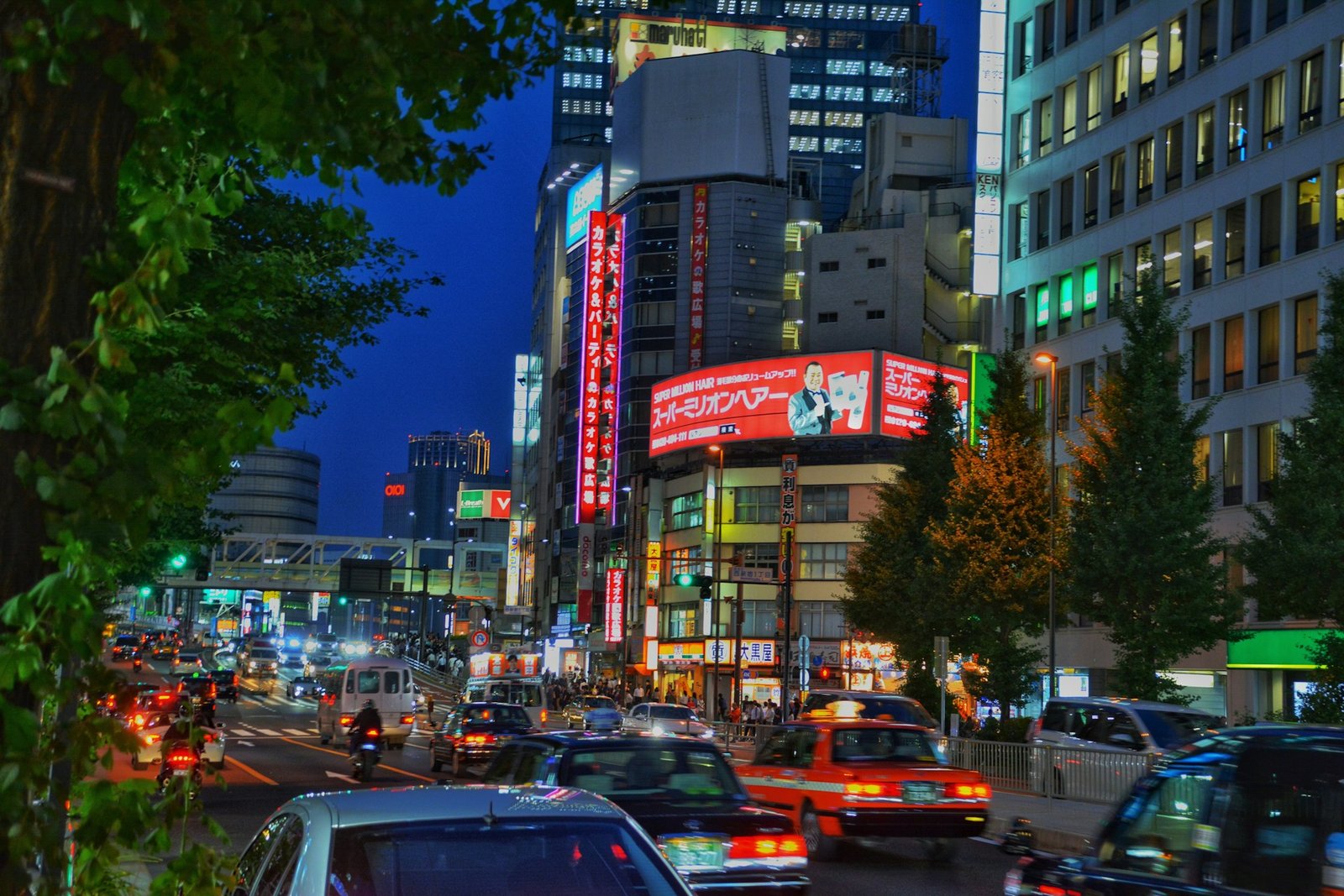
Ikebukuro is what happens when you want Shinjuku’s connectivity and energy but with fewer tourists pointing cameras at everything. It’s a major transit hub, has massive department stores like Sunshine City, and honestly feels more like where Tokyo residents actually live and work.
The area north of the station has a significant Chinese community—restaurants here serve properly spicy Sichuan food and hand-pulled noodles that shame most Western Chinese restaurants. This neighborhood taught me that Japan’s food scene includes brilliant immigrant cuisines if you know where to look.
Rikkyo University sits nearby, giving parts of Ikebukuro a college-town vibe. Lots of affordable eateries, used bookstores, and the kind of cafes where locals actually study and work.
Ikebukuro doesn’t have the sights or the glamour of Tokyo’s more famous neighborhoods, but if you’re on a longer trip or a return visitor, it offers authentic urban life without the tourist markup.
Best for: Budget travelers, people on longer stays, those seeking local experience over tourist attractions
Odaiba: Waterfront Views and Family Fun
Odaiba, built on reclaimed land in Tokyo Bay, feels completely different from mainland Tokyo. It’s spacious, modern, and car-friendly—weird adjectives for Tokyo. The Rainbow Bridge views are Instagram gold, especially at sunset.
This area is brilliant for families. teamLab Borderless (which moved to Azabudai but has history here) and other digital art experiences, the life-size Gundam statue, Legoland Discovery Center—kids lose their minds. The shopping malls are enormous and include every chain restaurant you could want.
Hotels in Odaiba tend toward large, international chains with proper rooms (rare in Tokyo) and often include facilities like pools and spas. The tradeoff? You’re isolated from Tokyo’s density and will spend significant time on trains or the automated Yurikamome line getting anywhere else.
I think Odaiba works best as a day trip destination rather than a base, unless you’re traveling with kids who need space and you want that buffer from Tokyo’s intensity.
Best for: Families with children, people who find Tokyo’s density exhausting, convention-goers (Tokyo Big Sight is here)
Tokyo Station/Marunouchi: Business Central with Surprising Charm
The area around Tokyo Station is technically the city’s center, though it doesn’t always feel that way. This is business district territory—suited salarymen, upscale hotels, and the kind of restaurants where corporate cards get a workout.
Tokyo Station itself is gorgeous. The restored red-brick facade on the Marunouchi side looks like it belongs in London, not Japan. Inside, the underground shopping areas (there’s a whole character street for anime merchandise and a ramen street with eight top shops) could occupy hours.
I actually enjoyed staying near here once—the Imperial Palace running course became my morning routine, and you’re literally at the center of every train line’s universe. Getting anywhere is easy. The vibe is calm and professional, which can feel like a relief after Shibuya’s chaos.
The surrounding Marunouchi area has improved dramatically with developments like KITTE and Marunouchi Building. The rooftop terrace at KITTE offers free views of Tokyo Station and the financial district—underrated spot for sunset photos.
Best for: Business travelers, people who value central location and efficiency, early risers who love morning runs
Practical Tips for Choosing Your Tokyo Base
Here’s what I wish someone had told me before my first Tokyo trip:
Proximity to a train station matters. Walking 15 minutes with luggage through unfamiliar streets after a 12-hour flight is nobody’s idea of fun. Stay within 5-10 minutes of a station.
Not all train lines are equal. The JR Yamanote Line, Ginza Line, and Marunouchi Line will get you most places tourists care about. If your hotel is only served by a private line that requires transfers, your commute time doubles.
Consider your trip’s purpose. First time in Tokyo? Stick with Shinjuku, Shibuya, or Ginza. Here for anime culture? Akihabara is your jam. Want traditional Japan? Asakusa delivers. Traveling with family? Ueno or Odaiba make sense.
Think about your schedule. Night owls should stay in entertainment districts (Shinjuku, Shibuya, Roppongi) to minimize late-night taxi costs. Early birds might prefer quieter areas like Ueno or Tokyo Station.
Hotel room size is real. Tokyo hotels are notoriously small—a 15-square-meter room is standard. If you need space, expect to pay significantly more or stay in areas like Odaiba with larger international chains.
Where I’d Stay Now (After Learning My Lessons)
After multiple Tokyo trips, my preference depends entirely on the visit’s character. For a first-timer friend, I’d recommend Shinjuku—specifically the east side near Shinjuku Gyoen. You get access to everything, multiple train lines, food options for days, but also some green space and neighborhoods that feel less overwhelming.
For myself on a return trip? I’m torn between Asakusa for that traditional vibe and early temple mornings, or somewhere along the Ginza/Marunouchi area for the adult luxury of it all. Perhaps that’s what multiple Tokyo visits teach you—the “best” neighborhood shifts based on what version of Tokyo you’re seeking that time.
The real secret? Tokyo’s train system is so efficient that staying in the “wrong” neighborhood isn’t a disaster. You’re never more than 30-40 minutes from anywhere that matters. The choice is more about what you wake up to and where you stumble home to after yakitori and too much highball.
Conclusion: Trust Your Traveler Type
Tokyo rewards planning but also spontaneity. The neighborhood you choose sets your trip’s baseline mood, but the city’s incredible transit means you can sample every area’s flavor regardless of where you sleep.
Think honestly about what kind of traveler you are. If you’re energized by crowds and nightlife, Shibuya or Roppongi will feel like home. If you prefer calm mornings and cultural immersion, Asakusa or Ueno might be your speed. If you want options and efficiency above all else, Shinjuku or Tokyo Station are hard to beat.
I’ve learned that Tokyo doesn’t have one “best” area—it has the best area for you at this particular moment in your travel life. Choose based on your actual preferences, not what some influencer’s Instagram makes look cool. And remember, hotel rooms in Tokyo are small, but the city outside is enormous. You won’t spend much time in your room anyway.
Frequently Asked Questions
Q: What is the best area to stay in Tokyo for first-time visitors?
Answer: Shinjuku and Shibuya are ideal for first-timers because they offer excellent train connectivity, abundant dining and shopping options, and easy access to most Tokyo attractions. Shinjuku Station serves as a major hub connecting you to nearly every part of the city.
Q: Which Tokyo neighborhood is best for families with children?
Answer: Ueno and Odaiba work brilliantly for families. Ueno Park houses multiple museums, a zoo, and plenty of open space, while Odaiba offers waterfront attractions, entertainment facilities, and hotels with larger rooms.
Q: Is Asakusa a good area to stay in Tokyo?
Answer: Asakusa is excellent if you want traditional Tokyo atmosphere with temples, shopping streets, and local culture. However, it’s slightly further from central entertainment districts, requiring more train transfers to reach areas like Shibuya or Roppongi.
Q: Where should I stay in Tokyo for nightlife and entertainment?
Answer: Roppongi, Shibuya, and Shinjuku offer the best nightlife options. Roppongi has international clubs and bars, Shibuya caters to younger crowds, and Shinjuku’s Kabukicho district stays lively until dawn.
Q: What’s the safest area to stay in Tokyo?
Answer: Tokyo is remarkably safe overall, but areas like Ginza, Marunouchi, and residential parts of Shinjuku near Shinjuku Gyoen are particularly quiet and secure. Even Kabukicho, despite its reputation, is generally safe for tourists.
Q: Which Tokyo neighborhood is most budget-friendly?
Answer: Ueno, Ikebukuro, and Akihabara offer more affordable accommodation options while maintaining good transit connections. These areas have numerous business hotels and hostels at lower price points than Ginza or Roppongi.
Q: Should I stay near Tokyo Station?
Answer: Staying near Tokyo Station is ideal if you value central location and plan day trips outside Tokyo, as most shinkansen lines depart from here. The area is business-oriented but has improved significantly with new shopping and dining developments.
Q: Is Harajuku a good place to base yourself in Tokyo?
Answer: Harajuku offers a unique blend of youth culture, fashion, and nearby green spaces like Yoyogi Park and Meiji Shrine. However, accommodation options are limited and tend toward boutique hotels at premium prices.
Q: How far should my hotel be from a train station?
Answer: Ideally, stay within 5-10 minutes walking distance from a major train station. Tokyo’s transit system is your lifeline for getting around, and luggage-hauling through unfamiliar streets adds unnecessary stress.
Q: Which area in Tokyo has the best food scene?
Answer: While Tokyo’s food scene is excellent everywhere, Ginza offers high-end dining and standing sushi bars, Shibuya and Shinjuku provide diverse international options, and Tsukiji area (near Ginza) remains brilliant for fresh seafood markets.
Q: Can I stay in Akihabara if I’m not into anime?
Answer: Absolutely. While Akihabara is known for otaku culture, it also offers affordable accommodation, excellent electronics shopping, and convenient location between Tokyo Station and Ueno. The anime elements are easy to avoid if not your interest.
Q: What’s the difference between staying in Ginza versus Shinjuku?
Answer: Ginza is upscale, sophisticated, and quieter with luxury shopping and fine dining, while Shinjuku is energetic, diverse, and more entertainment-focused. Ginza suits travelers seeking refinement; Shinjuku fits those wanting urban energy and nightlife.
Top Tokyo Accommodation and Travel Recommendations
- Hotel Gracery Shinjuku – Mid-range hotel featuring Godzilla head on the terrace, excellent Shinjuku location with direct station access.
- Shibuya Excel Hotel Tokyu – Located directly above Shibuya Station with views of the famous scramble crossing from select rooms.
- The Gate Hotel Asakusa Kaminarimon – Boutique property with stunning rooftop bar overlooking Senso-ji Temple and Tokyo Skytree.
- Aman Tokyo – Ultra-luxury hotel near Tokyo Station offering spacious rooms, exceptional service, and traditional Japanese aesthetic.
- Citadines Shinjuku Tokyo – Serviced apartments ideal for longer stays or families, located in quieter Shinjuku area near Shinjuku Gyoen.
- Richmond Hotel Premier Asakusa International – Modern hotel with excellent breakfast and prime location for exploring traditional Tokyo.
- Trunk Hotel – Trendy Shibuya boutique hotel focused on sustainability and social responsibility with stylish communal spaces.
- Hotel Ryumeikan Ochanomizu Honten – Combines business hotel efficiency with traditional Japanese touches, convenient location between Akihabara and Tokyo Station.
- Nui. Hostel & Bar Lounge – Stylish hostel in Kuramae (near Asakusa) with excellent bar, communal spaces, and local neighborhood vibe.
- Suica Card – Rechargeable IC card essential for Tokyo transit, available at any JR station and works on all trains, subways, and buses.
- Narita Express (N’EX) – Direct train service from Narita Airport to major Tokyo stations including Tokyo, Shinjuku, and Shibuya.
- Pocket WiFi Rental – Reliable internet device rental for staying connected throughout Tokyo, available for airport pickup.
- Tokyo Subway 24/48/72-Hour Ticket – Unlimited rides on Tokyo Metro and Toei Subway lines, excellent value for tourists.
- Klook Tokyo Activities – Booking platform for attraction tickets, tours, and experiences with often-discounted prices.
- teamLab Borderless Azabudai – Immersive digital art museum, one of Tokyo’s most innovative attractions requiring advance booking.
- Tokyo Metropolitan Government Building Observatory – Free observation deck in Shinjuku with 360-degree Tokyo views from 202 meters.
- JR Tokyo Wide Pass – Three-day rail pass covering greater Tokyo area and popular day trip destinations like Nikko and Karuizawa.
- Tsukiji Outer Market – Historic food market near Ginza offering fresh seafood, street food, and culinary tools.
- Mori Art Museum – Contemporary art museum in Roppongi Hills with rotating exhibitions and Tokyo City View observation deck.
- Meiji Shrine – Tokyo’s most important Shinto shrine surrounded by forest in the heart of Harajuku, free admission with peaceful atmosphere.