
Five days in Paris is a frantic, beautiful mistake. It’s just enough time to convince yourself you could live there, right before the reality of a four-square-foot studio sinks in. Most guides tell you to sprint through the Louvre like it’s a marathon, but that’s a rookie move. You’ll just end up with a blurry photo of the Mona Lisa’s forehead and a deep resentment for tour groups.
Instead, you have to treat the city like a messy, overstuffed drawer. You don’t organize it; you just rummage through until you find the good stuff. Focus on the intersections—where the limestone of Haussmann meets a bakery that smells exclusively of butter and ego. Perhaps the best way to see the “best” is to actually ignore half the landmarks. If you spend your entire trip staring up at iron latticework, you’ll miss the way the light hits the zinc rooftops at 4:00 PM, which is, honestly, the only reason anyone stays here. I think people overcomplicate the itinerary. It’s less about the boxes you check and more about the quality of the espresso you drink while pretending you aren’t a tourist.
Would you like me to map out a specific neighborhood-by-neighborhood breakdown for your first 48 hours?
Why Five Days Is the Sweet Spot for Paris
Five days gives you breathing room. You can hit the major landmarks without sprinting through the Louvre like you’re being chased. You can wander, get lost (you will), stumble into a bistro that’s not on Google Maps, and still make it to Versailles. It’s not too short, not too long—just enough time to fall a little bit in love with the city before reality calls you home.
Paris isn’t a place you “do.” It’s a place you experience, and five days lets you do that without the existential dread of missing everything important.
Before You Go: Essential Planning Tips
Book Your Accommodations Early
Paris hotels fill up fast, especially in spring and fall. I learned this the hard way when I ended up in a shoebox room in the 19th arrondissement that cost more than my flight. Stay central if you can—somewhere around the Marais, Saint-Germain-des-Prés, or Latin Quarter. You’ll save time and Metro fare.
Get a Museum Pass
The Paris Museum Pass is worth every euro if you’re planning to hit multiple attractions. It covers over 60 museums and monuments, including the Louvre, Musée d’Orsay, and Versailles. Plus, you can skip most ticket lines, which is basically priceless when you see the queue snaking around the block at Sainte-Chapelle.
Download Helpful Apps
Google Maps is obvious, but also grab Citymapper for navigating the Metro and TheFork for restaurant reservations. Trust me, you don’t want to show up hungry at 8 PM without a booking.
Day 1: Eiffel Tower, Champs-Élysées, and Getting Your Bearings
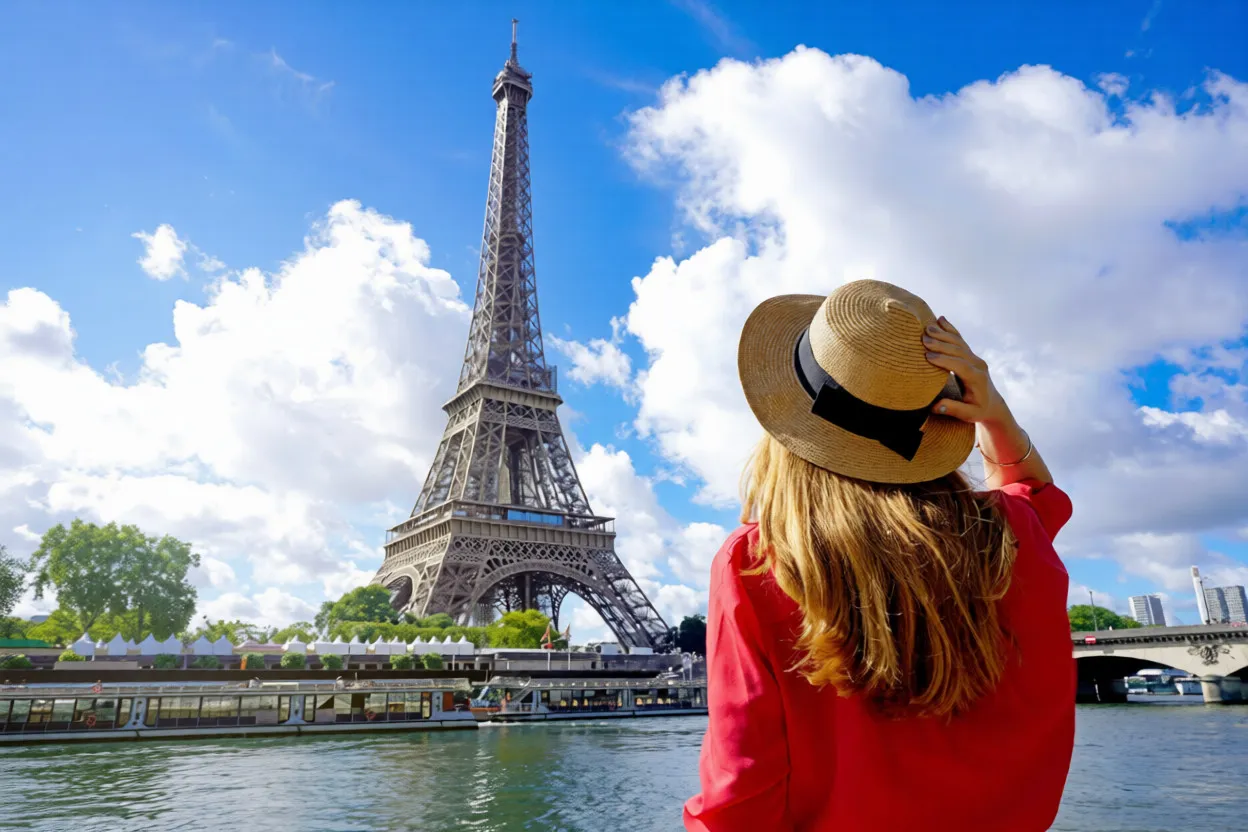
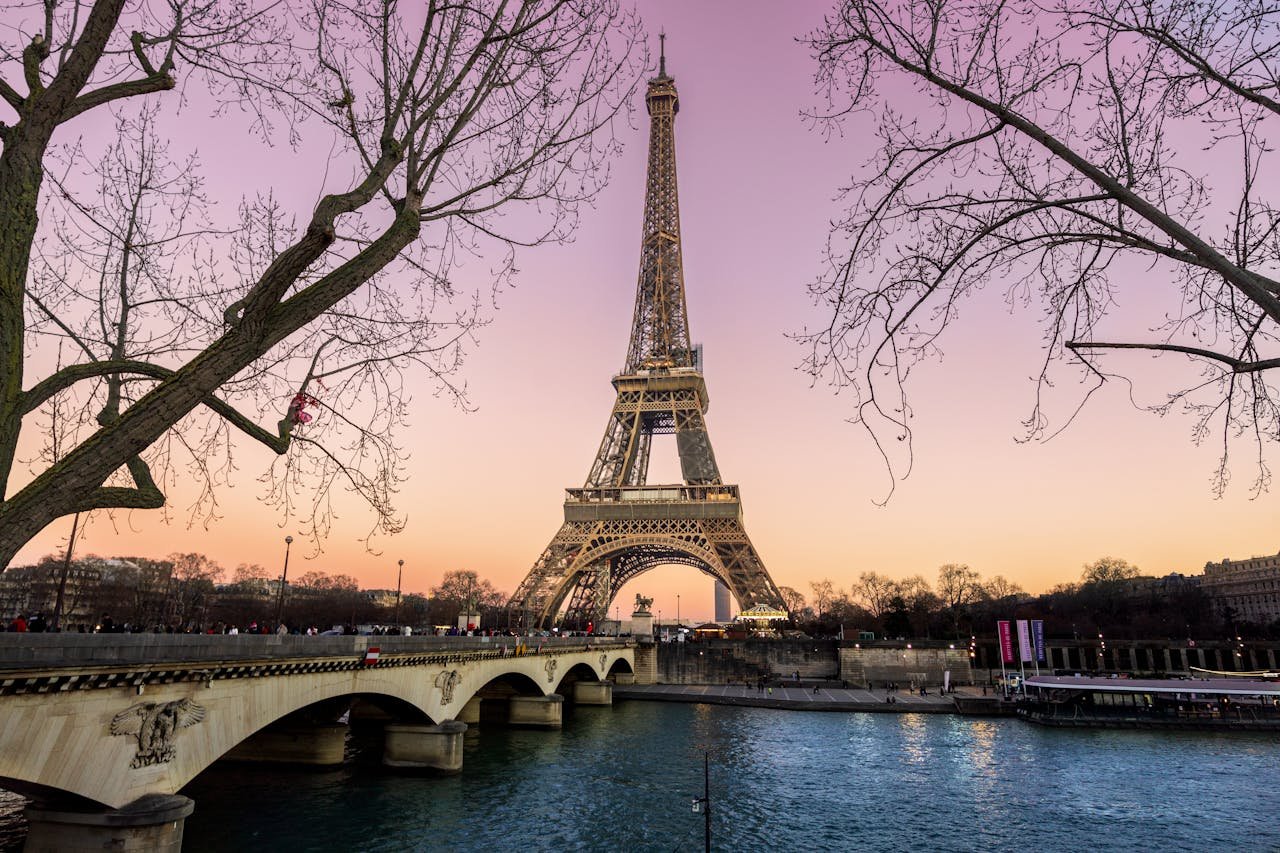
Start big. You’re jetlagged anyway, so you might as well embrace the tourist thing and head straight to the Eiffel Tower. Book tickets online in advance—seriously, don’t skip this. The lines are brutal if you just show up.
Go early, maybe around 9 AM, before the crowds really descend. Take the stairs to the second level if you’re feeling ambitious (it’s cheaper and honestly more rewarding). The views are exactly as stunning as you’d expect, but what surprised me was how the city just keeps going in every direction, layer upon layer of Haussmann buildings and green parks.
Afterward, walk across the Pont d’Iéna to the Trocadéro Gardens for the classic postcard view. Grab a crêpe from one of the vendors—overpriced, sure, but you’re in Paris, so just go with it.
Lunch: Head to the 7th arrondissement. Café de l’Esplanade is touristy but solid, or if you want something more local, try a side street bistro like Chez L’Ami Jean.
Afternoon: Stroll down the Champs-Élysées toward the Arc de Triomphe. Yes, it’s crowded and commercial, but it’s also iconic, and you should see it at least once. Climb the Arc for another perspective on the city—those 284 steps are worth it.
Evening: Dinner in the Marais. The neighborhood is walkable from central Paris, full of narrow streets, boutiques, and excellent food. Try L’As du Fallafel if you want something quick and legendary, or sit down at Breizh Café for upscale crêpes.
Day 2: Louvre, Tuileries Garden, and the Seine
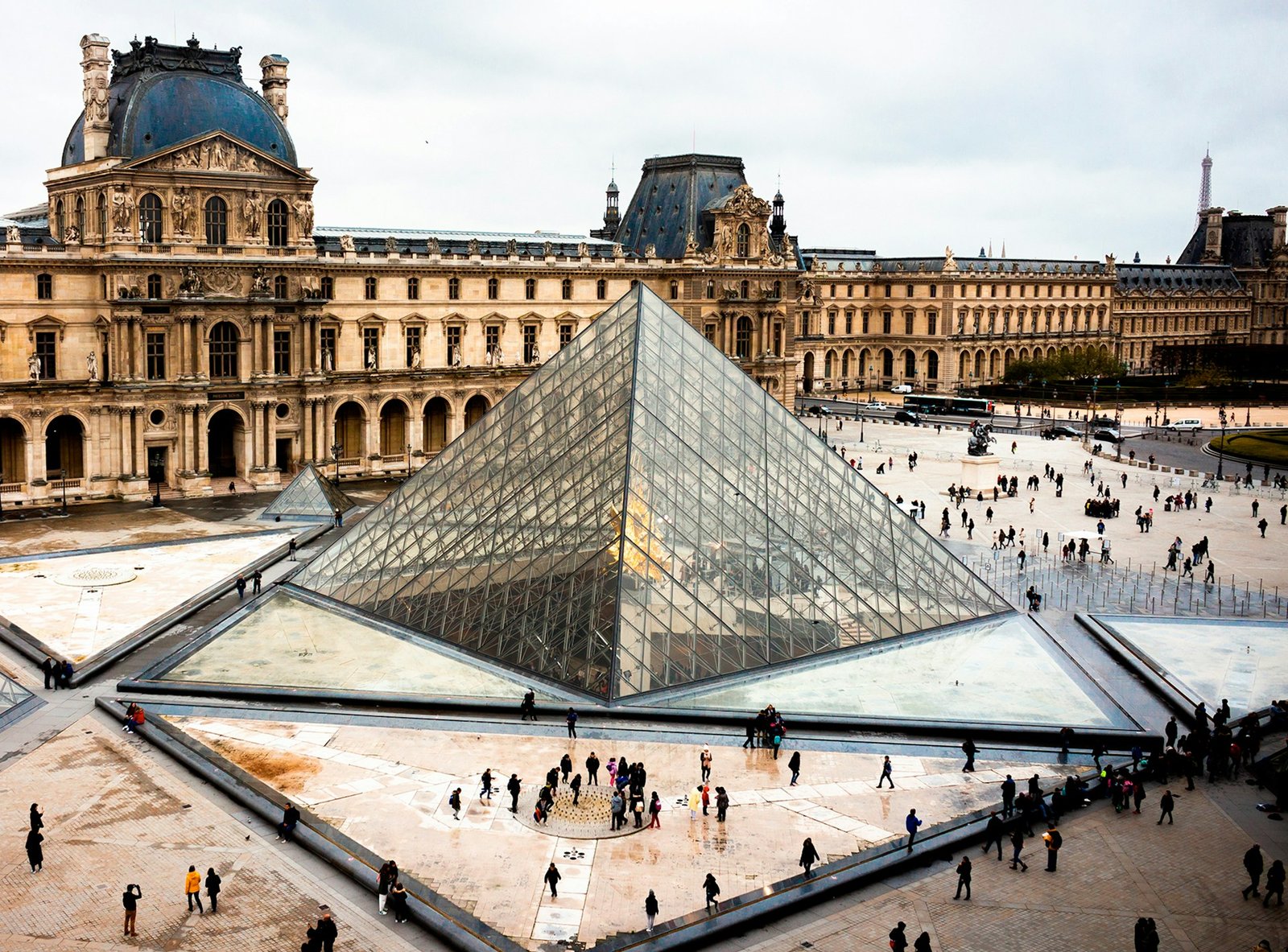
You can’t skip the Louvre. Even if museums aren’t your thing, the building itself is absurd—a former royal palace turned art fortress. Book a timed entry ticket and get there right when it opens (9 AM). Head straight to the Mona Lisa if you must, but honestly, the real treasures are elsewhere—the Winged Victory, the massive French paintings in the Denon wing, the Egyptian antiquities.
Don’t try to see everything. Pick a few sections, wander with intention, and leave before museum fatigue sets in. Two to three hours is plenty.
Lunch: The Tuileries Garden is right outside. Grab a sandwich from a nearby boulangerie and eat by the fountains. Parisians do this all the time, and it’s one of those simple, perfect moments you don’t forget.
Afternoon: Walk along the Seine toward Musée d’Orsay. This museum is smaller than the Louvre but packed with Impressionist masterpieces—Monet, Renoir, Van Gogh, Degas. The building itself (a former train station) is stunning. Spend a couple hours here, then maybe poke around the Saint-Germain-des-Prés neighborhood.
Evening: Book a sunset Seine River cruise. It’s touristy, yes, but watching the city light up from the water is genuinely magical. You’ll float past Notre-Dame, the Eiffel Tower, the Louvre—all the places you’ve been walking past suddenly look different from this angle.
Day 3: Montmartre, Sacré-Cœur, and Parisian Neighborhoods
Montmartre feels like a different city. Hilly, artsy, a little scruffy around the edges. Start at Sacré-Cœur Basilica—the white domed church perched on the highest point in Paris. The views are ridiculous, and the inside of the church is surprisingly serene considering the crowds outside.
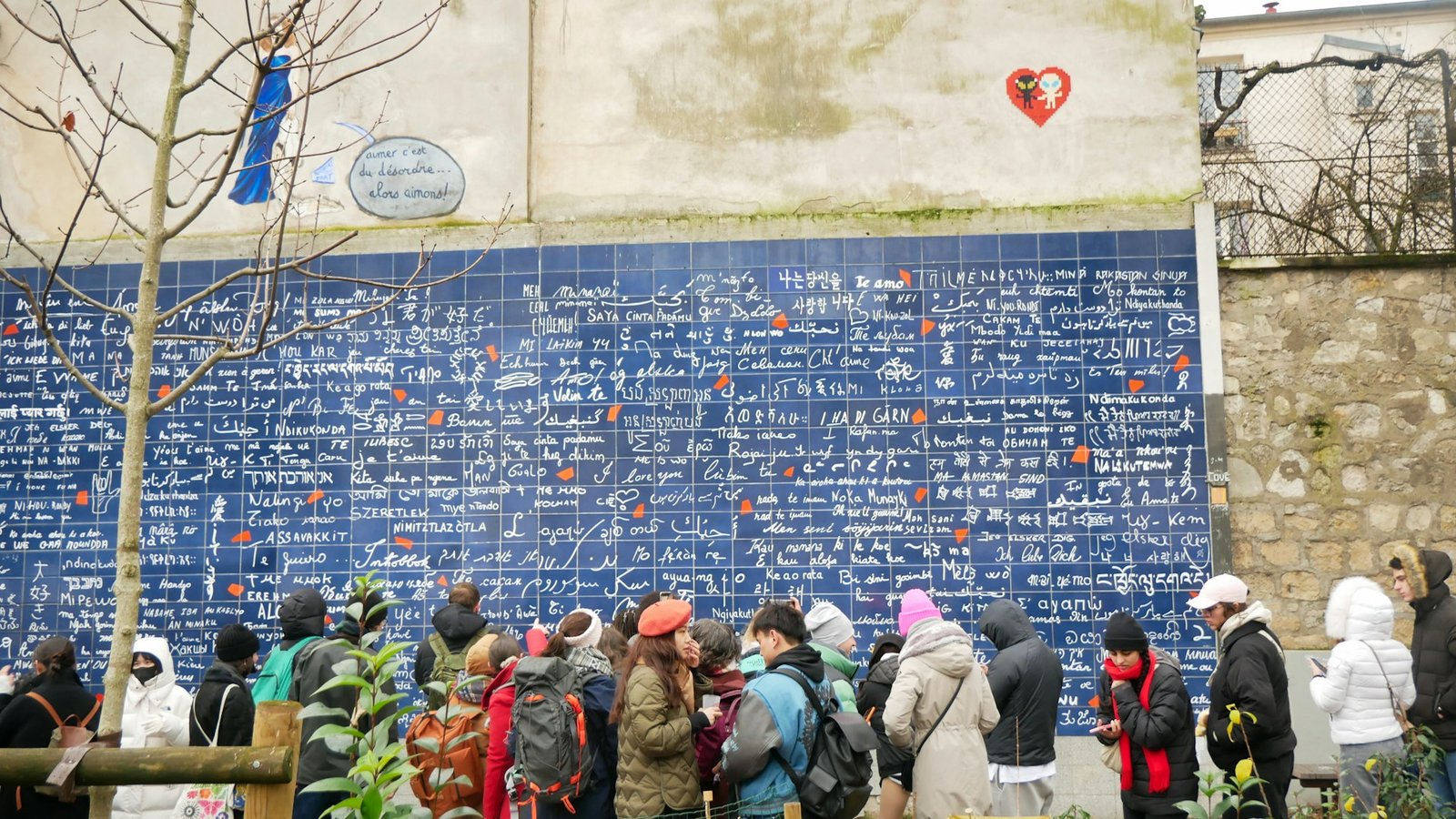
Wander downhill through the cobblestone streets. Check out Place du Tertre, where artists set up easels (a bit touristy, but still charming), then duck into quieter side streets. Find the Wall of Love, grab a coffee at Café des Deux Moulins (the Amélie café), and just soak it in.
Lunch: Stay in Montmartre. Le Consulat is a classic bistro with good French staples, or try Soul Kitchen for something more modern.
Afternoon: Head to the Musée de l’Orangerie back near the Tuileries. It’s small, manageable, and home to Monet’s massive Water Lilies panels—those alone are worth the trip. Then perhaps walk through the Palais Royal gardens, which are weirdly peaceful despite being in the center of everything.
Evening: Le Marais for dinner again (it’s that good). Try Chez Janou for Provençal food or Miznon for creative Mediterranean street food.
Day 4: Versailles Day Trip
You need a full day for Versailles. It’s about 40 minutes by RER train from central Paris—take the RER C line to Versailles Château Rive Gauche. Get there early (the palace opens at 9 AM) to beat the worst crowds.
The Palace of Versailles is excessive in the best way—gold everywhere, Hall of Mirrors that goes on forever, rooms so ornate you almost feel bad for the people who had to clean them. The gardens are massive, too. If you’re there between April and October, the fountains run on certain days with music (check the schedule).
Bring snacks or plan to eat at one of the on-site cafés (overpriced but convenient). Budget at least 4-5 hours here. You could easily spend more.
Evening: Head back to Paris for a relaxed dinner. Maybe try the Canal Saint-Martin area, which has a younger, more local vibe. Grab a bottle of wine and some cheese, sit by the canal, and watch the locals do the same.
(Insert image: Hall of Mirrors at Versailles)
Day 5: Latin Quarter, Notre-Dame, and Final Wanderings
Your last day should be lighter, more exploratory. Start in the Latin Quarter, one of the oldest parts of Paris. Walk through the narrow streets around Panthéon, check out Shakespeare and Company bookstore (iconic and cozy), and grab breakfast at a corner café.
Notre-Dame Cathedral is still under restoration after the 2019 fire, but you can view it from the outside and walk around Île de la Cité. The area is beautiful—medieval Paris at its most concentrated.
Lunch: Somewhere in the Latin Quarter. Le Procope, Paris’s oldest café, is a bit of a tourist draw but historically cool. Or just find a crêperie and call it good.
Afternoon: This is your flex time. Maybe visit Sainte-Chapelle if you haven’t yet—the stained glass is unreal. Or wander through the Luxembourg Gardens, people-watch, read a book. Paris is a city that rewards slow moments as much as sightseeing sprints.
Evening: Splurge on a final dinner. If you can swing it, try a classic French brasserie like Bouillon Chartier (affordable and historic) or something fancier like Le Comptoir du Relais.
Take one last walk along the Seine at night. Paris at night is a different animal—quieter, more romantic, somehow even more itself.
(Insert image: Luxembourg Gardens in afternoon light)
Where to Stay: Neighborhood Breakdown
Le Marais (3rd/4th Arrondissement) Central, trendy, walkable. Great food scene, historic streets, mix of old and new. Can be pricey, but worth it if you can swing it.
Saint-Germain-des-Prés (6th Arrondissement) Classic Left Bank charm. Cafés, bookstores, elegant vibe. More expensive, but you’re paying for location and atmosphere.
Latin Quarter (5th Arrondissement) Student area with cheaper eats and a younger energy. Still central, easy Metro access.
Montmartre (18th Arrondissement) More residential, artsy, bit of a commute but charming. Good budget option if you don’t mind taking the Metro more.
Getting Around Paris
The Paris Metro is your best friend. It’s extensive, frequent, and once you figure out the map (which takes about one trip), it’s incredibly easy. Buy a carnet (10-ticket pack) or get a Navigo Découverte pass if you’re staying a week.
Walking is underrated, too. Paris is surprisingl compact, and some of the best moments happen when you’re just wandering between neighborhoods.
Taxis and Ubers exist but are pricier. Save them for late nights or when you’re carrying shopping bags full of overpriced French skincare you definitely didn’t need but bought anyway.
Food: What and Where to Eat
Breakfast: Grab a croissant and coffee from any boulangerie. Du Pain et des Idées in the 10th is legendary, or just find the place nearest your hotel with a line of locals.
Lunch: Bistros, cafés, crêperies. You can’t go wrong. Le Relais de l’Entrecôte is famous for steak-frites with secret sauce.
Dinner: Book ahead if you’re going somewhere nice. Frenchie, Septime, and Clown Bar are all excellent but need reservations.
Snacks: Falafel in the Marais, crepes from street vendors, macarons from Ladurée or Pierre Hermé.
Don’t overthink it. Even mediocre food in Paris is usually pretty decent.
What to Pack for Paris
- Comfortable walking shoes: You’ll walk 10+ miles a day. Break them in before you go.
- Layers: Paris weather is moody. Bring a light jacket even in summer.
- Small crossbody bag: For Metro, museums, and pickpocket prevention.
- Reusable water bottle: Tap water is safe, and Paris has public fountains everywhere.
- Adapter plug: Europe uses Type C/E plugs.
(Insert image: Parisian street café scene)
Money-Saving Tips
Paris Museum Pass: Already mentioned, but seriously—if you’re doing museums, it pays for itself.
Picnic lunches: Buy bread, cheese, and wine from a grocery store. Eat in parks. You’ll save a ton and feel very Parisian.
Free museums: Many museums have free entry on the first Sunday of the month. Musée d’Art Moderne is always free.
Walk more: Skip the Metro for short distances. You’ll see more, save money, and burn off all those croissants.
Common Mistakes to Avoid
Trying to see everything: You’ll burn out. Pick your priorities and leave room for spontaneity.
Eating near major tourist sites: The food is worse and more expensive. Walk two blocks in any direction and you’ll find better options.
Not booking ahead: Especially for Versailles, the Eiffel Tower, and popular restaurants.
Ignoring pickpockets: They’re real, especially on the Metro and around tourist sites. Keep your valuables close.
Forgetting to validate Metro tickets: You can get fined if you don’t stamp your ticket before entering the platform.
Final Thoughts
Five days in Paris is enough to see the highlights, eat too much bread, and maybe—if you’re lucky—have one of those moments where you’re sitting at a café with a glass of wine, watching the world go by, thinking, Yeah, I get it now.
Paris isn’t perfect. It’s crowded, expensive, sometimes rude. But it’s also stunning, delicious, and weirdly romantic even when you’re traveling solo. You’ll leave wanting more time, which is perhap the best endorsement I can give any place.
Top Products and Travel Recommendations
- Paris Museum Pass – Skip-the-line access to 60+ museums and monuments, available in 2, 4, or 6-day passes.
- Bateaux Parisiens Seine Cruise – Classic river cruise with commentary, dinner options available, best at sunset.
- GetYourGuide Paris Tours – Curated experiences from skip-the-line tickets to guided walking tours across all major sites.
- Navigo Découverte Pass – Unlimited Metro, bus, and RER travel within Paris zones, perfect for extended stays.
- Airbnb Paris – Local apartment rentals in neighborhoods like Le Marais and Saint-Germain for authentic Parisian living.
- Booking.com Paris Hotels – Comprehensive hotel options with user reviews, flexible cancellation, and neighborhood filters.
- Citymapper App – Real-time Metro navigation, trip planning, and multi-modal transport options for Paris.
- TheFork Restaurant Reservations – Easy restaurant booking with reviews and sometimes discounts at participating bistros.
- Eiffel Tower Official Tickets – Book timed entry to avoid lines, with options for stairs or elevator to different levels.
- Versailles Skip-the-Line Tickets – Official palace tickets including gardens access and special fountain show days.
- Paris Visite Travel Pass – Tourist-focused transport pass covering zones 1-3 or 1-5, includes airport access.
- Context Travel Paris Tours – Small-group walking tours led by PhDs and local experts, intellectual approach to sightseeing.
- Louvre Official Website – Timed entry tickets, virtual tours, and collection highlights for planning your visit.
- Musée d’Orsay Tickets – Impressionist masterpieces in a stunning Beaux-Arts railway station, book online to skip lines.
- Fat Tire Paris Bike Tours – Day and night bike tours, Versailles trips, and food tours with English-speaking guides.
- Shakespeare and Company Bookstore – Iconic English-language bookshop in the Latin Quarter, free to visit, magical atmosphere.
- Ladurée Macarons – Famous Parisian patisserie with locations across the city, perfect for edible souvenirs.
- Paris Pass – All-in-one pass combining museum entry, Metro travel, and Seine cruise for maximum convenience.
- Headout Paris Experiences – Last-minute bookings for shows, tours, and attractions often at discounted prices.
- Orange Holiday Europe SIM Card – Prepaid data SIM with coverage across Europe, available at CDG airport for immediate connectivity.
Frequently Asked Questions
Is 5 days in Paris enough?
Answer: Five days gives you solid coverage of Paris’s major attractions without feeling rushed. You can visit the Eiffel Tower, Louvre, Versailles, and still have time to wander neighborhoods like Montmartre and Le Marais. It’s not enough to see everything Paris offers, but it’s the sweet spot for experiencing the city’s highlights while maintaining a relaxed pace and leaving room for spontaneous discoveries.
What is the best time of year to visit Paris?
Answer: Spring (April-June) and fall (September-November) offer the best weather and manageable crowds. Summer gets hot and crowded but has longer days and outdoor events. Winter (December-February) is cheapest and less crowded, though some attractions have reduced hours. I’d personally pick late spring or early fall—perfect weather for walking, outdoor cafés are in full swing, and you avoid peak tourist season prices.
How much money do I need for 5 days in Paris?
Answer: Budget travelers can manage on €80-100 per day (hostel, cheap eats, free attractions). Mid-range travelers should expect €150-250 per day (decent hotel, restaurant meals, museum passes). Luxury travelers will spend €300+ daily. This excludes flights. Paris is expensive, but you can save money with picnic lunches, the Museum Pass, and walking instead of constant Metro use.
Do I need to speak French in Paris?
Answer: Not necessarily, but learning basic phrases helps immensely. Many Parisians in tourist areas speak English, especially younger people and service workers at hotels and restaurants. That said, starting conversations with “Bonjour” and “Parlez-vous anglais?” shows respect and usually gets better responses than launching straight into English. Download Google Translate for menus and signs.
Is the Paris Museum Pass worth buying?
Answer: Absolutely, if you’re planning to visit multiple museums and monuments. It covers 60+ sites including the Louvre, Musée d’Orsay, Versailles, Arc de Triomphe, and Sainte-Chapelle. The skip-the-line access alone saves hours of queuing. It pays for itself after about three major attractions. The 4-day pass is perfect for a 5-day trip, letting you take one day off from museums without wasting money.
Where should I stay in Paris as a first-time visitor?
Answer: Le Marais (3rd/4th arrondissements) is ideal—central, walkable, great food, safe at night. Saint-Germain-des-Prés offers classic Left Bank charm but costs more. Latin Quarter works for budget travelers wanting central location. Avoid staying too far out unless you’re comfortable navigating the Metro extensively. Proximity to Metro lines 1 or 4 gives you easy access to most major sites.
How do I get from Charles de Gaulle Airport to Paris?
Answer: RER B train is cheapest (€11.40, 30-50 minutes to central Paris depending on your stop). Runs 5 AM-midnight with trains every 10-20 minutes. Roissybus goes to Opéra (€16.60, 60 minutes). Taxis cost €50-55 to Right Bank, €55-60 to Left Bank (fixed fares). Uber is similar to taxis. Private transfers cost €60-100 but offer door-to-door convenience. For first-timers, I’d take RER B if arriving during the day or taxi if you’re tired or have lots of luggage.
Is Paris safe for tourists?
Answer: Paris is generally safe, but pickpocketing is common in tourist areas, Metro stations, and crowded attractions. Keep valuables in front pockets or crossbody bags, be aware of distraction tactics, and avoid flashy jewelry. Some neighborhoods (parts of 18th, 19th, 20th arrondissements) feel sketchy at night but are fine during the day. As a solo female traveler, I’ve never felt unsafe in central Paris, though I avoid empty Metro cars late at night.
Can I visit Versailles and Paris in the same day?
Answer: Yes, but dedicate the full day to Versailles—it’s 40 minutes each way by train, and you need 4-5 hours minimum at the palace and gardens. Go early (arrive by 9 AM) to beat crowds, bring snacks, and plan to return to Paris by late afternoon. Don’t try to squeeze in Parisian sightseeing the same day; you’ll be exhausted. Versailles deserves your full attention, and rushing defeats the purpose.
What are the must-eat foods in Paris?
Answer: Croissants and pain au chocolat from any boulangerie for breakfast. Steak-frites at a traditional bistro. Fresh baguette with cheese and wine (picnic-style). Crêpes, both savory (galettes) and sweet. Macarons from Ladurée or Pierre Hermé. French onion soup on a cold day. Escargot if you’re adventurous. Falafel from L’As du Fallafel in the Marais. And honestly, anything from a boulangerie—the bread alone is life-changing.