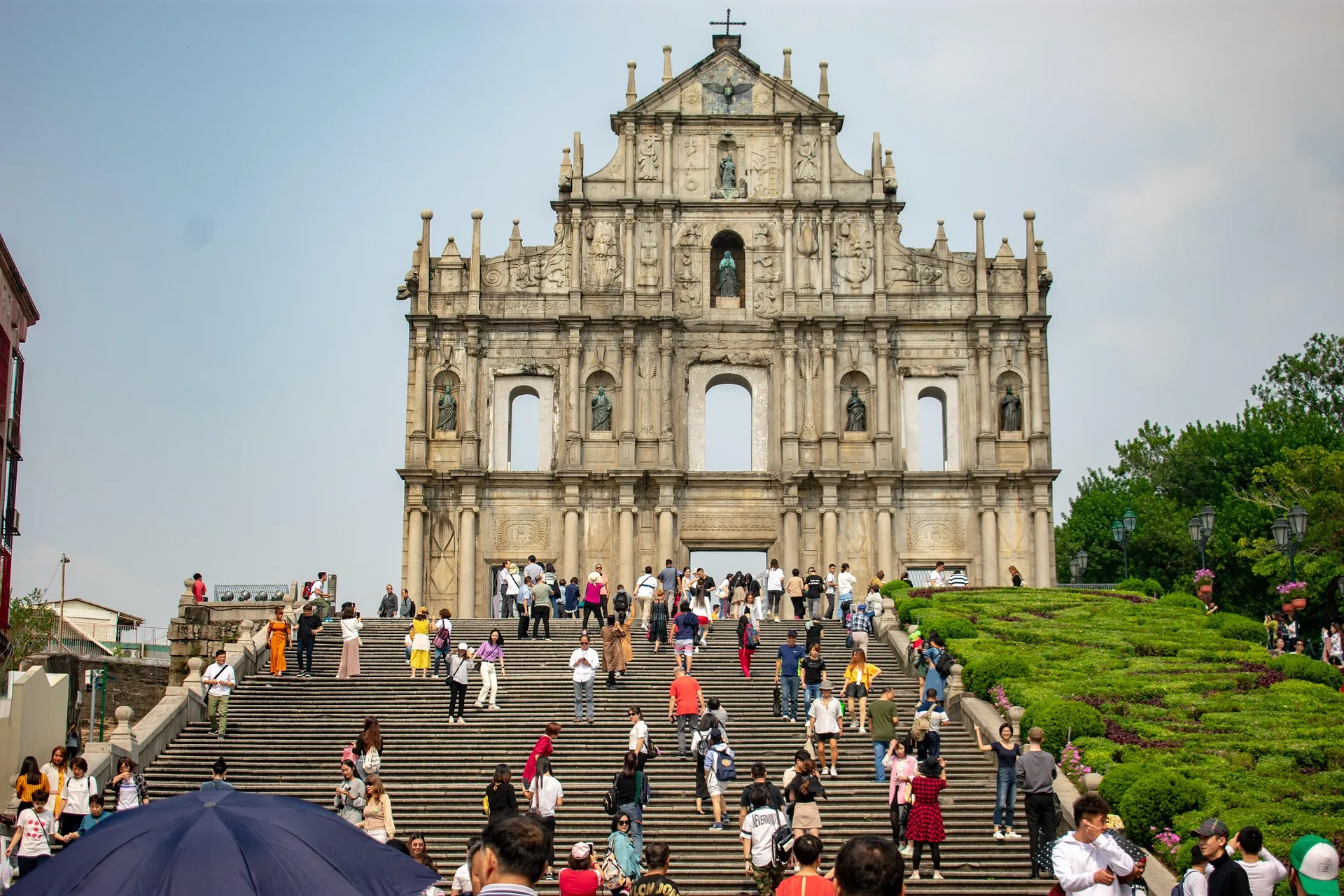

Is Macao safe to visit? Look, in a world where headlines scream chaos from every corner—pickpockets in Paris, scams in Bangkok—you might eye Macao’s neon-drenched casinos and think, well, perhaps it’s just another gambler’s trap waiting to fleece you blind. But hold on. This former Portuguese enclave, squeezed between mainland China and the South China Sea, clocks in as one of Asia’s safer bets. Petty crime? Minimal, I think—stats from sources like Numbeo peg it lower than Vegas or even staid old London. Streets bustle with families, not just high-rollers; cops patrol like clockwork, especially around Senado Square or the Ruins of St. Paul’s.
That said, no paradise is flawless. Traffic zips chaotically—those mopeds dart like caffeinated hornets—and typhoon season (June to October) can turn skies apocalyptic, flooding low spots. Health-wise, post-COVID protocols linger in masks and hand sanitizer stations, but food poisoning from street stalls? Rare, if you dodge the sketchiest carts. Geopolitics? Stable, though China’s shadow looms, perhaps uncomfortably for some. Solo travelers, women, families—they all report feeling secure, day or night. Bottom line: Macao’s safety shines brighter than its billion-watt skyline. Visit smart—stick to lit paths, guard your wallet—and it’s less risk than crossing a busy Manhattan avenue.
The Short Answer: Yes, Macao Is Incredibly Safe
Macao is one of the safest destinations in Asia, with extremely low crime rates, excellent infrastructure, and a well-regulated tourism industry.
The Global Peace Index consistently ranks Macao favorably, and the city’s crime statistics are genuinely impressive. We’re talking about a place where you can walk around at 2 AM with your phone out, taking photos, and the worst thing that might happen is a taxi driver trying to charge you a bit extra (which, let’s be honest, happens everywhere).
But—and there’s always a but—that doesn’t mean you should throw all caution out the window. Every destination has its quirks, and Macao is no exception.
Crime in Macao: Surprisingly Low (But Not Zero)
Here’s the thing about Macao: the government takes tourism very seriously. Like, really seriously. Tourism accounts for a massive chunk of the economy, so keeping visitors safe isn’t just good practice—it’s good business.
Petty Crime
Pickpocketing and bag snatching are remarkably rare compared to other major tourist destinations. I’ve seen more attempted pickpockets in Barcelona in one afternoon than I have in multiple trips to Macao. The crowded casinos, where you’d think thieves would have a field day, are actually heavily monitored with security tighter than airport customs.
That said, don’t be completely daft about it. Crowded tourist spots like Senado Square during Chinese New Year, or packed ferry terminals, can attract the occasional opportunist. Keep your bag zipped, don’t flash wads of cash around, and maybe don’t leave your brand-new iPhone sitting on a café table while you wander off to take photos.
Violent Crime
Violent crime against tourists is virtually unheard of. The statistics are genuinely impressive—Macao’s homicide rate is among the lowest in the world. You’re more likely to injure yourself tripping over uneven cobblestones in the historic quarter than you are to encounter any violent incident.
Scams and Tourist Traps
Now, this is where things get slightly more interesting. While Macao doesn’t have the aggressive scam culture of some Southeast Asian destinations, there are a few things to watch for:
- Casino touts: People offering “insider tips” or trying to recruit you for gambling groups. Just walk past.
- Overpriced taxis: Some drivers might take longer routes or claim the meter is “broken.” Use ride-hailing apps like Uber or local alternatives when possible.
- Restaurant tourist traps: Places near major attractions might charge premium prices for mediocre food. Wander a few streets away for better value.
Getting Around: Transport Safety in Macao
Macao’s public transport is clean, efficient, and safe. The buses run regularly, the taxis are generally reliable (if occasionally cheeky about routes), and walking is often the best way to explore the compact historic center.
Road Safety
Here’s where I’ll offer a small word of caution: Macao drivers can be… let’s call it “enthusiastic.” Traffic moves fast, and pedestrian crossings aren’t always treated with the reverence you might hope for. I’ve had a few heart-in-mouth moments crossing busy streets near the casinos. Look both ways, maybe twice, and don’t assume that little green walking man gives you invincibility.
Taxis and Ride-Hailing
Taxis are plentiful and generally safe, though language can sometimes be a barrier. Having your destination written in Chinese characters on your phone helps enormously. I once spent fifteen minutes trying to explain to a taxi driver where I wanted to go before finally just showing him a screenshot from Google Maps. Worked like a charm.
Health and Medical Safety: Better Than Expected
I’ll admit, before my first visit, I was slightly anxious about healthcare. What if I got food poisoning? What if I twisted an ankle on those historical cobblestones I mentioned earlier?
Turns out, Macao has excellent healthcare facilities. The public hospital system is decent, and there are several private hospitals with English-speaking staff. Medical tourism is actually a thing here—people come from mainland China specifically for healthcare services.
Food Safety
The food hygiene standards are high. Macao follows strict regulations for restaurants and food vendors, and I’ve never had a single case of food poisoning despite eating everything from Michelin-starred restaurants to random street stalls. The Portuguese-Macanese fusion cuisine is incredible, by the way—definitely try the African chicken and those egg tarts I mentioned earlier.
Air Quality
This is perhaps one area where Macao isn’t perfect. Air quality can be moderate to poor depending on the season, particularly when pollution drifts over from mainland China. If you have respiratory issues, check the Air Quality Index before you visit and consider bringing a mask during worse periods.
Water Safety
Tap water is technically treated and safe, but most locals and long-term expats drink bottled water. I followed their lead. It’s cheap, readily available, and saves any potential stomach upset.
Natural Disasters and Weather Concerns
Macao sits in a typhoon-prone region, and these tropical storms typically hit between May and November. I was there during a typhoon warning once—typhoon signal number 8, to be specific—and the entire city basically shut down. Ferries stopped, shops closed, and everyone hunkered down.
The infrastructure is built to handle these events, and the warning system is excellent. You’ll receive notifications on your phone, hotels will brief guests, and there’s never any question about what you should do (hint: stay inside).
Flooding can occur in low-lying areas during severe weather, but the drainage systems generally cope well. Just don’t plan any important travel during typhoon season without checking forecasts and building in flexibility.
Women Traveling Solo: My Honest Take
I’m basing this partly on my own experience and partly on conversations with other solo female travelers I’ve met. Macao is genuinely one of the safest places for women traveling alone. I’ve walked back to my hotel late at night without incident, explored back alleys looking for hidden restaurants, and never once felt unsafe.
Harassment is rare. The occasional stare or attempt at conversation, sure, but nothing aggressive or threatening. The presence of security cameras everywhere (and I mean everywhere—thank you, casino surveillance culture) probably helps.
Standard travel safety advice still applies: trust your instincts, don’t accept drinks from strangers, let someone know your itinerary. But compared to many destinations, Macao is remarkably hassle-free for solo women.
LGBTQ+ Safety: Progress, But Room for Improvement
Macao doesn’t have the same level of LGBTQ+ rights as some Western destinations, but it’s relatively progressive by Asian standards. Same-sex relationships aren’t criminalized, and there’s a small but visible LGBTQ+ community.
Public displays of affection (for any couple, really) are generally kept low-key in Macao’s more conservative society. You’re unlikely to face outright hostility, but you might encounter curiosity or occasional awkwardness. The casino areas and more international hotels tend to be the most welcoming.
Respecting Local Laws and Customs
Here’s where you need to pay attention, because some laws might surprise you:
Drug Laws: Zero tolerance. Seriously. Don’t even think about it. Penalties are severe, including lengthy prison sentences.
Gambling Laws: You need to be 21 to enter casinos. Don’t try to fake it—security checks are thorough.
Photography: Be cautious about photographing government buildings or security installations. Stick to tourist sights and you’ll be fine.
Cultural Sensitivity: Macao is a blend of Portuguese and Chinese culture, and respect goes a long way. Dress modestly when visiting temples, don’t point your feet at Buddha statues, and perhaps don’t loudly discuss politics over dinner.
My Biggest Safety Concern? Honestly, Casino Gambling
This might sound odd, but if there’s one “danger” in Macao, it’s the gambling culture. The casinos are designed to be intoxicating—free drinks, no clocks, that specific lighting that makes 4 AM feel like 8 PM. I’ve watched tourists get swept up in it, convinced they’re “due” for a win.
Set a gambling budget before you even enter a casino, if you plan to gamble at all. Treat it as entertainment expense, not investment. The house always wins, and Macao’s casino industry has perfected the art of separating visitors from their money while making them feel like high rollers.
The Verdict: Should You Visit Macao?
Absolutely, yes. With perhaps a tiny asterisk for typhoon season if you’re inflexible with travel dates.
Macao is safe, fascinating, delicious, and deeply underrated. It’s got this unique energy—part Portuguese colonial elegance, part flashy Las Vegas excess, part traditional Chinese culture—all squeezed into a tiny peninsula you can walk across in an hour.
The risks are minimal and manageable. Use common sense, stay aware of your surroundings, don’t do anything you wouldn’t do in your hometown, and you’ll have a brilliant time. The egg tarts alone are worth the trip, honestly.
Frequently Asked Questions About Macao Safety
Question: Is Macao safe for American tourists?
Answer: Yes, Macao is very safe for American tourists. The crime rate is extremely low, infrastructure is excellent, and English is widely spoken in tourist areas. Americans face no specific risks beyond normal travel precautions. Many hotels and casinos cater specifically to international visitors.
Question: Can you walk around Macao at night?
Answer: Absolutely. Macao is one of the safest cities in Asia for nighttime walking. The main tourist areas, historic center, and casino districts are all well-lit and heavily patrolled. I’ve walked around at all hours without incident, though basic awareness is always smart.
Question: Is Macao safer than Hong Kong?
Answer: Both are exceptionally safe destinations with low crime rates. Macao is smaller and perhaps slightly more relaxed, while Hong Kong is larger and more bustling. In practical terms for tourists, both are among the safest cities you’ll visit anywhere.
Question: Do I need travel insurance for Macao?
Answer: While not legally required, travel insurance is highly recommended. Medical costs can be significant if you need private healthcare, and insurance covers trip cancellations, lost luggage, and emergency evacuation. It’s worth the peace of mind for a relatively small cost.
Question: What should I avoid in Macao?
Answer: Avoid gambling more than you can afford to lose, illegal drugs (penalties are severe), unlicensed tour guides, and leaving valuables unattended. Also skip tap water in favor of bottled water, and be cautious crossing busy streets near casinos.
Question: Is Macao safe during typhoon season?
Answer: Macao has an excellent typhoon warning system and infrastructure designed to handle tropical storms. While typhoons can disrupt travel plans, they’re not typically dangerous if you follow official guidance and stay indoors during severe weather. Most occur June through September.
Question: Are there any dangerous areas in Macao?
Answer: Not really. Macao doesn’t have “dangerous neighborhoods” in the way some cities do. The entire territory is compact and generally safe. Some older residential areas might feel less polished, but they’re not unsafe. The greatest risk is probably getting lost in a maze of back alleys.
Question: Is street food safe in Macao?
Answer: Yes, street food in Macao is generally safe thanks to strict food hygiene regulations. I’ve eaten from numerous street vendors without issue. Look for busy stalls with high turnover—food sitting around in heat is risky anywhere. Popular spots like pork chop buns and egg tart shops are safe bets.
Question: Can I drink alcohol in public in Macao?
Answer: Technically yes, but it’s not common outside of outdoor dining areas. Open container laws are less strict than in the US, but drinking on the street might attract attention. Stick to bars, restaurants, and designated areas to be respectful of local norms.
Question: Is Macao safe for families with children?
Answer: Very safe. The low crime rate, good healthcare, clean environment, and family-friendly attractions make Macao excellent for families. Many hotels offer kids’ programs, and attractions like the Macao Science Center and pandas at the Giant Panda Pavilion are perfect for children. Just watch little ones near traffic.
Top Macao Travel Recommendations and Essential Resources
Safety and Emergency Services:
- Macao Public Security Police Force – Official police website with tourist safety information and emergency contacts
- Centro Hospitalar Conde de São Januário – Main public hospital with 24/7 emergency services
Accommodation (Safe and Reputable):
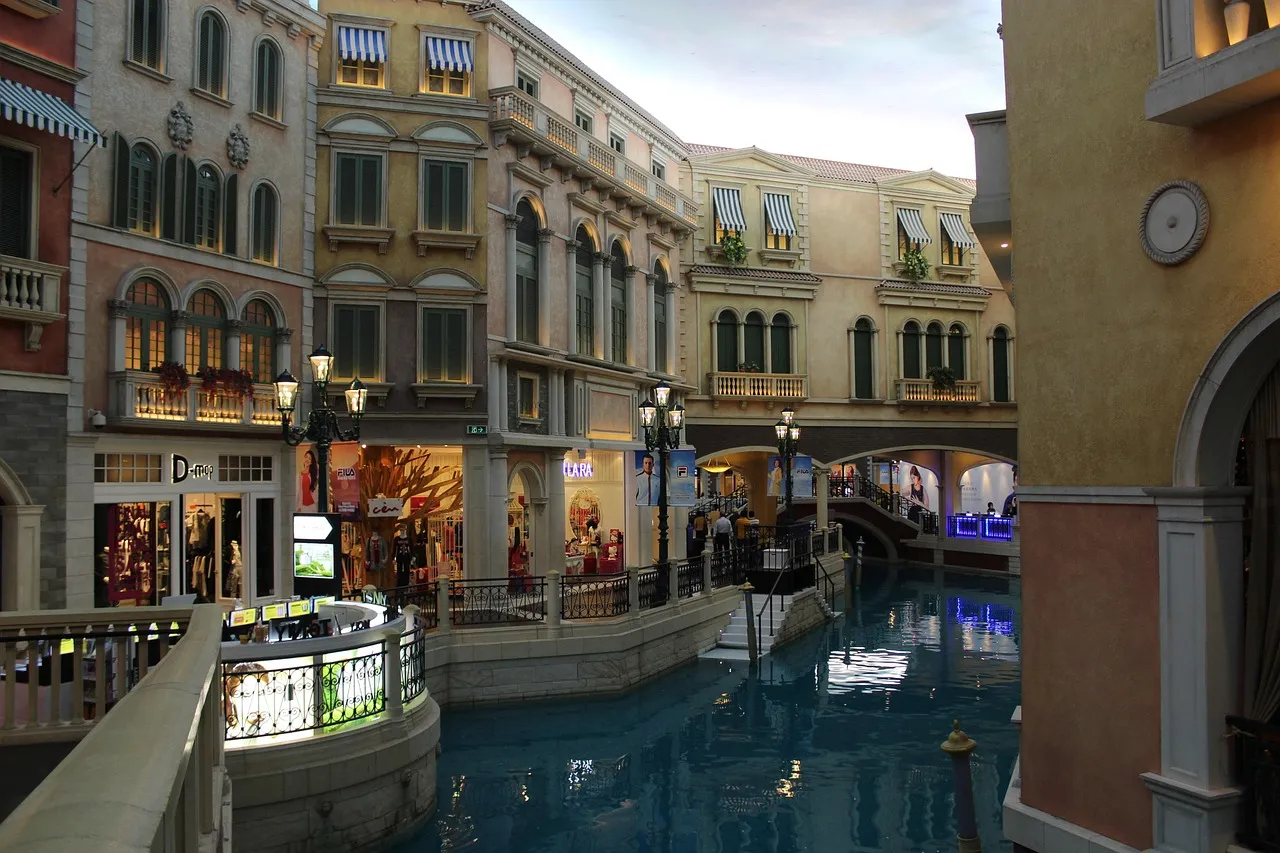
- The Venetian Macao – Massive integrated resort with top-tier security, multiple dining options, and entertainment. One of Asia’s largest hotels with excellent safety standards.
- MGM Macau – Luxury hotel with exceptional security and concierge services for tourists
- Pousada de São Tiago – Historic boutique hotel built into a 17th-century Portuguese fortress, intimate and secure setting
Transportation:
- Macau Pass – Rechargeable smart card for buses and convenience stores, safer than carrying cash
- Transmac Bus Service – Main public bus operator with safe, affordable routes throughout Macao
Travel Planning and Information:
- Macao Government Tourism Office – Official tourism site with safety updates, travel advisories, and event information
- Visit Macao – Comprehensive tourism portal with attraction guides and practical visitor information
Food and Dining (Safe Bets):
- Lord Stow’s Bakery – Famous for Portuguese egg tarts, multiple locations, impeccable hygiene standards
- A Lorcha – Authentic Portuguese-Macanese restaurant near the Maritime Museum, family-run with excellent reputation
Activities and Attractions:
- Ruins of St. Paul’s – UNESCO World Heritage site, safe and well-maintained historic landmark
- Senado Square – Main pedestrian plaza, heavily patrolled and family-friendly
- Macau Tower – Observation deck and adventure activities with strict safety protocols
- Coloane Village – Quieter area away from casinos, authentic local atmosphere and very safe
Financial Services:
- Bank of China (Macau) – Reliable ATM network and currency exchange with fair rates
- HSBC Macau – International banking services for travelers needing financial assistance
Insurance and Health:
- World Nomads Travel Insurance – Comprehensive travel insurance covering medical emergencies and trip cancellations
- International SOS – Medical and security assistance for travelers, 24/7 emergency support
Communication:
- CTM Mobile SIM Cards – Local SIM cards for tourists, available at airport and ferry terminals, essential for navigation and emergencies