
There is a certain, specific brand of hubris involved in packing three types of artisanal linen shirts while assuming your internal organs will simply figure it out on their own. We plan for the aesthetics of the trip, yet we treat our physical well-being with a reckless, almost medieval nonchalance. Perhap it is because we want to believe a vacation is a temporary suspension of biology. It isn’t. That tiny, translucent bar of hotel soap—which smells, I think, like a floor cleaner’s fever dream—will not assist you when the street food decides to settle a score. It’s a bit of a grim thought, isn’t it? Carrying a miniature pharmacy in your carry-on feels deeply uncool, like wearing socks with sandals or checking your work email on a Saturday. But the reality of a scratchy throat in a city where you don’t speak the language is far less romantic than the brochures suggest. We need more than just hope and a few Band-Aids tucked into a wallet. We need a kit that acknowledges the messy, unpredictable redundancy of being a human body in a strange place. It’s about survival, or at least, avoiding a very expensive, very sweaty afternoon.
Why You Actually Need a Travel First Aid Kit
Look, I get it. You’re thinking, “I’ll just buy stuff if I need it.” Sure, Jan. Except when you’re in rural Portugal at 10 PM with a splitting headache and the nearest pharmacy closed three hours ago. Or when you’re hiking in Patagonia and slice your hand on a rock, and the nearest medical facility is literally a day’s trek away.
Here’s the reality: different countries have different medications, brand names you’ve never heard of, and pharmacists who may or may not speak your language. That ibuprofen you take for granted? It might be called something completely different, require a prescription, or simply not exist in the form you’re used to.
Plus—and this is the part nobody tells you—buying individual items abroad almost always costs more than assembling a kit at home. That small bottle of hand sanitizer at a tourist-heavy location? Probably triple the price you’d pay at Target.
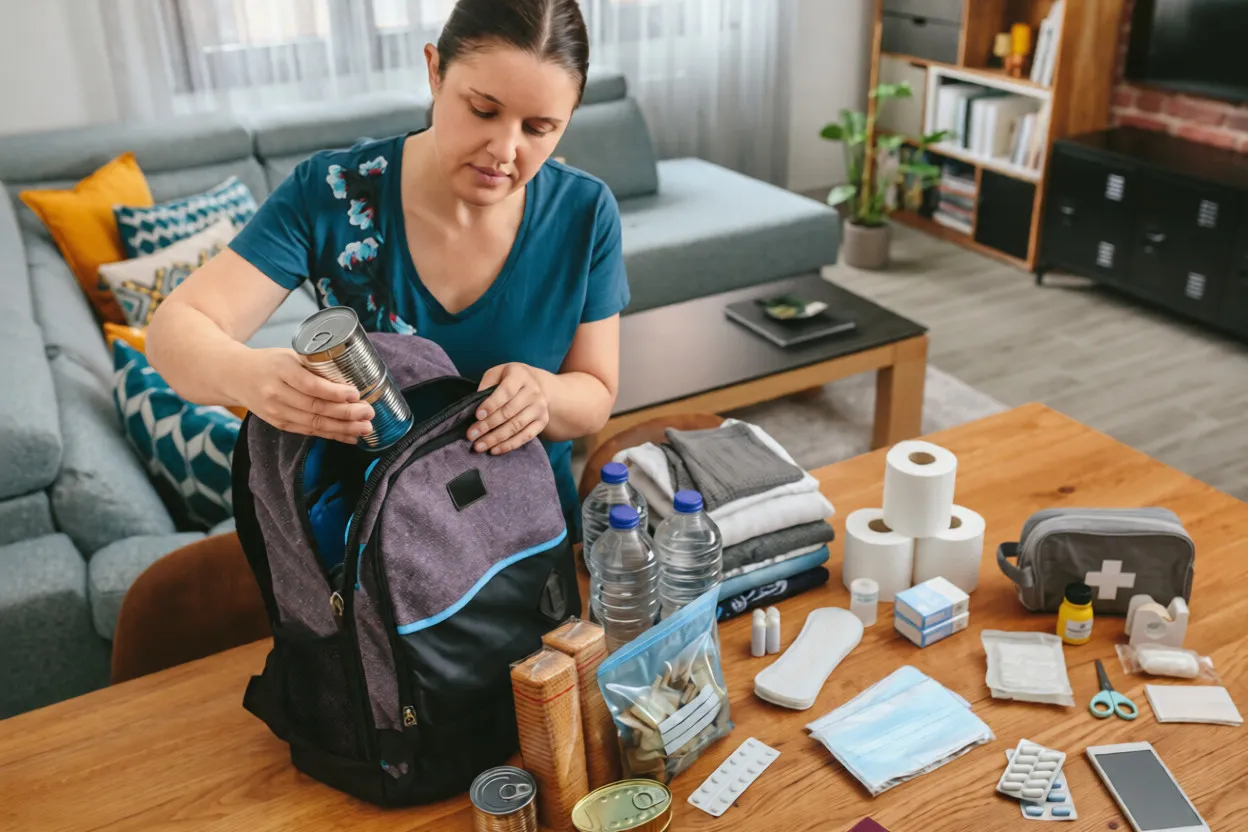
The Core Essentials (AKA the Non-Negotiables)
Pain Relief and Fever Reducers
Start with the basics. I always pack both ibuprofen and acetaminophen because they work differently and cover different scenarios. Ibuprofen tackles inflammation (twisted ankle, muscle soreness, that weird neck pain from airplane sleep), while acetaminophen handles fever and general pain without upsetting your stomach.
Bring at least 20-30 tablets of each. Sounds excessive? It’s not. A single headache might require 2-3 doses over 24 hours. A sprained ankle could need days of treatment. And if you’re traveling with others, you’ll become everyone’s favorite person when they’re suffering.
Antihistamines
Benadryl or generic diphenhydramine is crucial. Not just for allergies (though yes, mysterious rashes happen), but also for sleep on long flights, motion sickness, and those surprise allergic reactions to exotic foods you probably shouldn’t have eaten but absolutely did anyway.
I learned this the hard way in Thailand when I developed hives from something in a street food dish. The antihistamine I’d casually tossed in my kit became the hero of the day.
Anti-Diarrheal Medication
Let’s talk about the elephant in the room: traveler’s diarrhea. It affects 30-70% of travelers depending on destination. That’s not a small number. Imodium (loperamide) is your first line of defense.
Pair it with oral rehydration salts like Pedialyte packets or DripDrop. When you’re losing fluids rapidly, regular water isn’t enough—you need electrolytes. These packets are lightweight, dissolve in water, and can genuinely prevent a hospital visit.
Antibiotic Ointment and Wound Care
Triple antibiotic ointment (Neosporin or generic) prevents infections in cuts and scrapes. Sounds minor until you remember that small infections can escalate quickly, especially in hot, humid climates.
Pack various sizes of adhesive bandages, some larger gauze pads, medical tape, and blister treatment. Blisters are the silent killers of travel plans. Prevention is ideal, but when they happen—and they will if you’re doing any serious walking—you need moleskin or hydrocolloid blister bandages.
Antiseptic Wipes and Hand Sanitizer
This became obvious during COVID, but it’s always been true: clean hands prevent illness. Alcohol-based hand sanitizer in a small bottle is essential. Add antiseptic wipes for cleaning wounds or wiping down questionable surfaces.
I’ve used these for everything from cleaning a cut knee to sanitizing a hostel bathroom door handle that looked like it hosted a bacterial convention.
The “Glad I Packed That” Category
Prescription Medications
Obviously, bring any prescriptions you regularly take—in their original containers with labels. But here’s the smart move: bring extras. Airlines lose luggage. Pills fall into sink drains. Life happens.
Keep a few days’ worth in your carry-on, separate from your main supply. And carry a copy of your prescriptions (or a photo on your phone) in case you need refills abroad or need to explain to customs why you’re carrying medication.
Antacids
Rich food, different water, stress, weird meal timing—your stomach will probably protest at some point. TUMS or Pepto-Bismol tablets are lightweight and surprisingly versatile. Pepto also helps prevent traveler’s diarrhea if taken preventatively (though this is debated among medical professionals).
Motion Sickness Medication
Boats, buses, winding mountain roads—travel involves movement, and not everyone’s inner ear is on board with the plan. Dramamine or meclizine can save an otherwise miserable journey.
Ginger tablets are a natural alternative that actually work for some people, though I find them less reliable than actual medication.
Tweezers and Small Scissors
You’d be surprised how often you need these. Splinters, removing tags from new clothes, trimming loose bandage tape, opening those impossible plastic packages. Get a pair with a protective cover so they don’t stab everything in your bag.
Safety Pins
Old school but useful for everything from fixing broken zippers to securing bandages to creating an emergency clothes repair.
Digital Thermometer
Knowing whether you actually have a fever helps you make smart decisions about seeking medical care versus just resting. The compact digital ones are cheap and take up minimal space.
The Specialized Items (Depending on Your Trip)
Altitude Sickness Medication
Heading to high-altitude destinations like Machu Picchu, La Paz, or the Himalayas? Diamox (acetazolamide) can prevent altitude sickness, but you need a prescription. Start taking it before you ascend and continue for a few days at elevation.
I skipped this once in Bolivia and spent three miserable days with a pounding headache, nausea, and zero energy. Learned that lesson thoroughly.
Insect Repellent
For tropical or wilderness destinations, DEET-based repellent isn’t optional—it’s protection against mosquito-borne diseases like dengue, malaria, and Zika. OFF! Deep Woods or Sawyer Permethrin (for treating clothes) are solid choices.
Sun Protection
Sunscreen obviously, but also consider aloe vera gel for when you inevitably underestimate UV intensity at the beach or high altitude. Sunburn can ruin days of your trip and make you miserable.
Prescription Antibiotic
This is controversial, but some travel doctors prescribe a course of antibiotics (usually Cipro or Azithromycin) for severe traveler’s diarrhea or infections. It’s not for everyone, but for remote travel or destinations with limited medical care, it’s worth discussing with your doctor.
Anti-Malaria Medication
Required for certain regions in Africa, South America, and Southeast Asia. Options include Malarone, doxycycline, or mefloquine. Each has pros and cons—talk to a travel medicine specialist.
What You Probably Don’t Need
Let’s be real: you don’t need to pack for every possible medical scenario. You’re not performing field surgery.
Skip the massive first aid manual (Google exists). Skip elaborate wound care kits unless you’re doing serious wilderness travel. Skip medications you’ve never taken before—travel isn’t the time to discover you’re allergic to something new.
Also, despite what some packing lists suggest, you probably don’t need:
- Sterile syringes (unless traveling to very remote areas with questionable medical facilities)
- Snake bite kits (statistically unlikely, and most are ineffective anyway)
- Suture kits (go to a doctor)
- Cardiac medications you don’t normally take
Keep it focused on common, likely scenarios.
How to Pack Your Travel Medical Kit
Choose the Right Container
Skip the bulky red box that screams “first aid kit.” Use a clear zippered pouch (TSA-friendly) or a small packing cube. Being able to see contents at a glance saves time when you’re sick and miserable.
Some people swear by Adventure Medical Kits pre-made options, which are comprehensive but can be overkill for standard travel. I prefer building my own using a Peak Design Packing Cube or similar.
Organize by Category
Group similar items: pain relief together, digestive meds together, wound care together. Maybe I’m overly organized, but when you’re dealing with a 3 AM emergency, you don’t want to dig through everything to find one specific item.
Label Everything
If you’re consolidating medications into smaller containers to save space, label them clearly. Include dosage information. Your future sick self will thank you.
Keep TSA Rules in Mind
Liquids and gels in carry-ons must follow the 3-1-1 rule: 3.4 ounces or less, in a 1-quart bag. Pills are fine in any quantity. Keep prescriptions in labeled containers to avoid questions at security.
The Regional Considerations
Traveling in Europe
Pharmacies are widely available and well-stocked, but may require prescriptions for things that are over-the-counter in the US. Pack basics because buying single items piecemeal gets expensive in tourist areas.
Asia Travel
Counterfeit medications are a real issue in some areas. Bring what you need from home rather than buying locally unless you’re using reputable chain pharmacies in major cities.
Africa and South America
Medical facilities vary widely. Pack comprehensively for remote areas. Cities like Cape Town or Buenos Aires have excellent medical care; rural areas, not so much.
Australia and New Zealand
Similar to Europe—good availability but potentially different brand names and higher prices. Border security is strict about medications, so declare everything.
My Actual Current Travel First Aid Kit Contents
Since I promised real talk, here’s what’s actually in my kit right now:
- 20 ibuprofen tablets
- 20 acetaminophen tablets
- 10 Benadryl capsules
- 8 Imodium tablets
- 4 Pepto-Bismol chewables
- 6 TUMS
- Small tube of triple antibiotic ointment
- 10 assorted adhesive bandages
- 4 large gauze pads
- Medical tape roll (small)
- 4 alcohol prep pads
- Small bottle hand sanitizer
- 3 pairs disposable gloves
- Tweezers
- Small scissors
- Digital thermometer
- 3 safety pins
- Oral rehydration salt packets (2)
- Prescription medications (1 week extra supply)
- Emergency contact information card
Total weight? Maybe half a pound. Takes up space equivalent to a small book. Has saved me countless times.
The Insurance and Documentation Side
Here’s something crucial that technically isn’t part of your physical kit but absolutely should be on your phone: travel insurance information and emergency contacts.
I use World Nomads for most trips, but Allianz and IMG are also reputable. Take photos of your insurance cards, policy numbers, and emergency assistance phone numbers.
Also photograph your passport, credit cards, and prescriptions. Store these in a cloud service like Google Drive or Dropbox so you can access them if your phone dies or gets stolen.
When to Actually Seek Professional Medical Care
Your first aid kit handles minor issues. It does not replace doctors. Seek professional medical care if you experience:
- High fever (over 102°F) that doesn’t respond to medication
- Severe dehydration (can’t keep liquids down, dark urine, dizziness)
- Chest pain or difficulty breathing
- Suspected broken bones
- Deep wounds that won’t stop bleeding
- Signs of infection (red streaks, swelling, pus)
- Severe allergic reactions
- Any symptoms that concern you
Trust your instincts. It’s better to waste money on an unnecessary doctor visit than to ignore something serious.
The Bottom Line
Look, I hope you never need most of what’s in your first aid kit. That’s genuinely the goal. But after years of travel and multiple situations where having the right supplies made the difference between a minor inconvenience and a disaster, I’m never traveling without one again.
Think of it like travel insurance: you hope you never use it, but you’re grateful it’s there when you need it. The investment is minimal—probably $50-75 to stock a solid kit from scratch—and it lasts for multiple trips.
Pack smart, travel safe, and maybe you’ll avoid your own Moroccan stomach rebellion story.
Frequently Asked Questions
What should be in a travel first aid kit?
Answer: A comprehensive travel first aid kit should include pain relievers (ibuprofen and acetaminophen), antihistamines, anti-diarrheal medication, oral rehydration salts, antibiotic ointment, various bandages, antiseptic wipes, hand sanitizer, tweezers, scissors, and any personal prescription medications with extras.
How do you pack a first aid kit for international travel?
Answer: Use a clear, zippered pouch for easy TSA screening and organization. Group items by category, label any repackaged medications with dosage info, keep liquids under 3.4oz for carry-ons, and store prescription meds in original labeled containers. Keep a small kit in your carry-on and a more complete one in checked luggage.
What medications should I bring when traveling abroad?
Answer: Bring pain relievers, antihistamines, anti-diarrheal meds, antacids, motion sickness medication, and personal prescriptions with extras. Consider altitude sickness medication for high-elevation destinations and antimalarials for tropical regions. Always pack medications in original containers with clear labels.
Do I need travel insurance for medical emergencies?
Can I bring prescription medications on a plane?
Answer: Yes, but keep them in original labeled prescription bottles and carry a copy of your prescription. Pack essentials in your carry-on in case checked luggage is lost. Some countries restrict certain medications, so research your destination’s rules before traveling.
What’s the best travel first aid kit to buy?
Answer: Pre-made options like Adventure Medical Kits or MyMedic are convenient, but building your own allows customization for your specific needs and destinations. A DIY kit in a clear pouch typically costs $50-75 and can be tailored to your trip length and activities.
How do you treat traveler’s diarrhea?
Answer: Take anti-diarrheal medication like Imodium for symptom relief, drink oral rehydration solutions to prevent dehydration, rest, and eat bland foods when you can tolerate them. If symptoms persist beyond 2-3 days, include blood, or come with high fever, seek medical care immediately.
What should I pack for a wilderness first aid kit?
Answer: Beyond standard items, add larger gauze pads, elastic bandages, blister treatment, SAM splint, more extensive wound care supplies, emergency blanket, CPR mask, and potentially a prescription antibiotic. Consider a wilderness first aid course before remote backcountry travel.
Do I need malaria medication when traveling?
Answer: Only for specific regions—parts of sub-Saharan Africa, South America, and Southeast Asia. Consult a travel medicine doctor 4-6 weeks before departure to determine if antimalarial medication is recommended for your specific destinations and to choose the best option.
How do you prevent getting sick while traveling?
Answer: Wash hands frequently, use hand sanitizer, drink bottled or purified water, avoid ice in drinks, eat thoroughly cooked food, skip raw fruits you can’t peel yourself, avoid street food in questionable sanitation conditions, and stay up-to-date on recommended vaccinations.
Top Travel First Aid and Medical Products
- Adventure Medical Kits Travel Series – Pre-assembled kits for various trip lengths with quality components and organized storage
- MyMedic MyFAK First Aid Kit – Durable, comprehensive kits designed by veterans and medical professionals for serious travelers
- Imodium A-D – Essential anti-diarrheal medication, available in caplets or liquid for treating traveler’s diarrhea
- DripDrop ORS Hydration Powder – Oral rehydration solution packets that taste decent and effectively combat dehydration
- Sawyer Products Premium Insect Repellent – DEET-based protection and permethrin clothing treatment for tropical and wilderness travel
- Band-Aid Hydro Seal Blister Cushions – Hydrocolloid bandages that actually work for painful travel blisters
- World Nomads Travel Insurance – Flexible, comprehensive coverage designed specifically for adventure travelers and backpackers
- Peak Design Packing Cube – Excellent small organizer for creating a custom first aid kit with visibility and durability
- Neosporin Original Antibiotic Ointment – Prevents infection in cuts and scrapes, essential for any first aid kit
- Braun Digital Thermometer – Compact, accurate temperature readings to help assess if medical care is needed
- Dramamine Motion Sickness Relief – Prevents nausea on boats, buses, and winding roads
- Allianz Travel Insurance – Reputable provider with various plan options including medical coverage and trip cancellation
- Pedialyte Powder Packs – Electrolyte replacement for dehydration from illness or heat exposure
- Leukoplast Medical Tape – Strong, flexible tape for securing bandages and gauze
- Swiss Safe 2-in-1 First Aid Kit – Affordable pre-made kit with decent basic supplies for casual travelers
- Sea-Band Acupressure Wrist Bands – Drug-free motion sickness relief option that works for some people
- Malarone Antimalarial Medication – Prescription antimalarial with fewer side effects than alternatives, for tropical destinations
- Curad Portable First Aid Kit – Compact, TSA-friendly kit with essential wound care supplies
- IMG Global Medical Insurance – International health insurance for extended travelers and expats
- Dr. Scholl’s Moleskin Plus Padding – Classic blister prevention and treatment for hiking and walking-heavy trips